
Menu
- Home
- About Us
- Services
- Dental Savings Plan
- Patient Resources
- Success Stories
- Gallery
- Contact Us
close
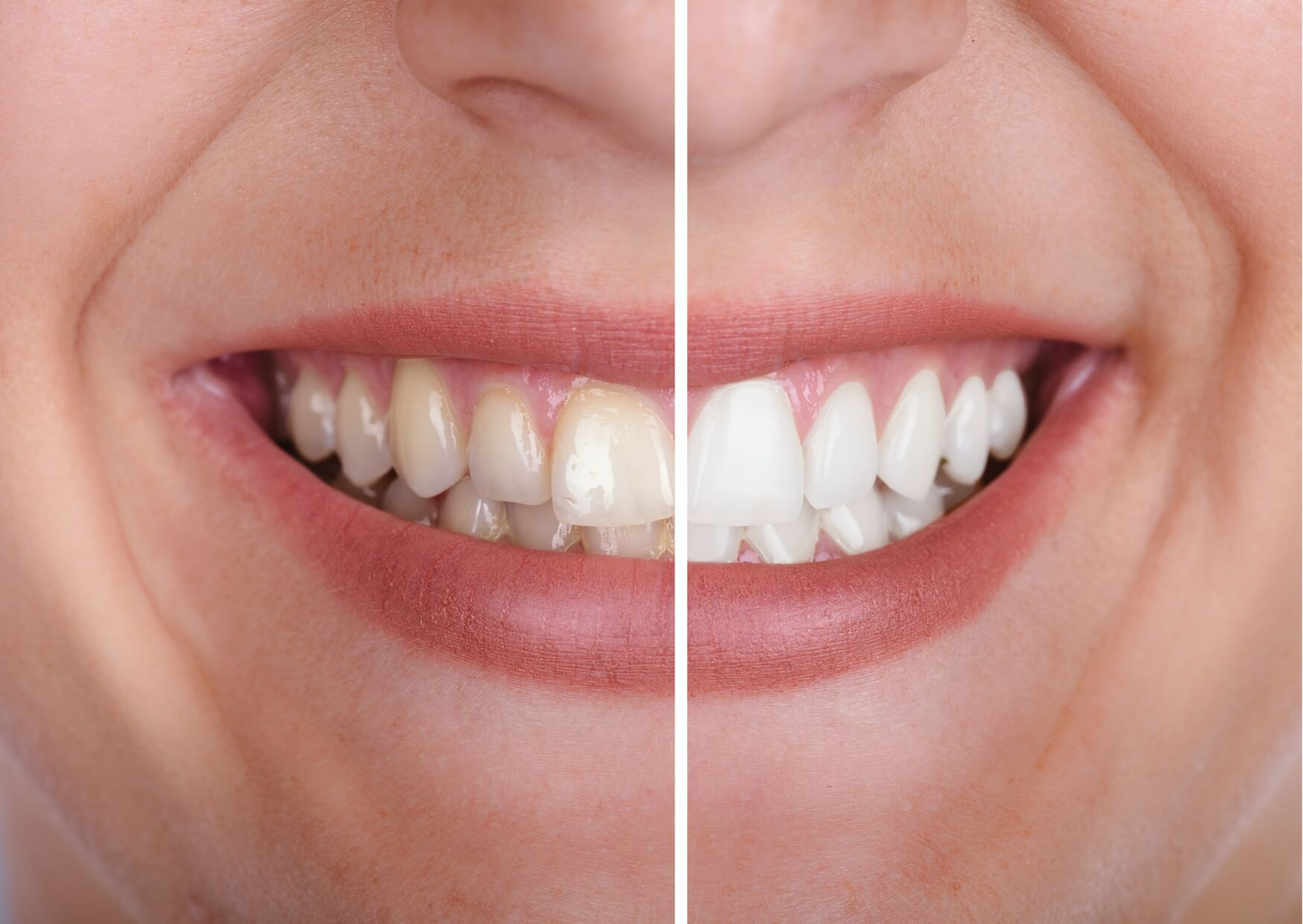
A smile makeover before-and-after comparison can show real changes in tooth color, shape, spacing, alignment, and overall balance.
Your results depend on your starting oral health, the treatments used, and how well the work is maintained, so photos are best used to show what may be possible rather than promise the same outcome.
AR Smiles offers a smile makeover in Fairlawn, OH and provides personalized cosmetic and restorative care that may match the results you see in before-and-after photos.
A smile makeover is a personalized combination of cosmetic and restorative dental treatments. Depending on your needs, it may address:
Common options include teeth whitening, dental bonding, veneers, porcelain crowns, clear aligners, tooth replacement, and gum contouring. Some plans involve one treatment, while others are completed in carefully planned stages.
Your natural teeth, gums, bite, and facial features create the foundation for treatment. Enamel thickness, existing restorations, tooth position, gum levels, and the way your teeth come together all affect which changes are safe and realistic.
For example, whitening may improve natural tooth color, but it does not lighten crowns, veneers, or fillings. Only natural teeth can be whitened.
Bonding can repair minor chips and adjust shape, while larger fractures or heavily restored teeth may need a different approach. Healthy teeth and gums usually need to be addressed first, especially if you have decay, gum disease, infection, or bite instability.
Look for cases that start with concerns similar to yours, but remember that every mouth is different. Lighting, camera angles, moisture, makeup, and editing can all change how tooth color and proportions appear.
Useful photos should show more than very white teeth. Check whether the tooth size, shape, edges, gumline, and color look balanced and natural for that person.
Ask which procedures created the result and how long treatment took. A single photo may not show orthodontic preparation, gum treatment, replacement of missing teeth, or work done to improve the bite.
A dentist will usually examine your teeth, gums, jaw joints, and bite before recommending treatment. X-rays, photos, digital scans, or impressions may be needed to find problems that are not visible in a smile photo.
Talk about what bothers you, what you want to keep, your timeline, and your budget. A responsible treatment plan should explain benefits, limits, alternatives, costs, maintenance, and expected longevity before you decide.
If you're deciding where to go, read our guide on choosing a cosmetic dentist. In some cases, digital previews or temporary models can help you understand the proposed changes, but they are simulations rather than guarantees.
Professional teeth whitening can brighten natural enamel, though temporary sensitivity may occur and some discoloration may not respond fully. See what to expect with whitening for more details.
Dental bonding uses tooth-colored resin to repair small chips, close limited spaces, or adjust tooth shape. It is conservative and useful for smaller changes, but it can stain or wear over time.
Veneers cover the front surface of selected teeth and may improve color, shape, and minor alignment concerns. They usually require some enamel removal and are not reversible once the teeth have been prepared.
Crowns cover more of the tooth and may be recommended when a tooth is significantly weakened, cracked, or heavily restored. For front teeth, consider whether crowns vs. veneers is the better option.
Removing healthy tooth structure only for appearance deserves careful thought, especially when a more conservative option may work. If you're comparing these choices, see our guide on bonding vs. veneers.
Clear aligners gradually move teeth and may improve spacing or crowding without changing healthy enamel. Treatment takes time, requires consistent wear, and may not correct every bite problem on its own.
Missing teeth may be replaced with options such as bridges, implants, or removable appliances. Each option has different requirements, risks, costs, and maintenance needs, so an exam is important.

Recovery depends on the procedures performed. Whitening or bonding may involve little downtime, while gum treatment, implants, or more extensive restorative care can require healing time and several appointments.
No cosmetic result lasts forever. Whitening may need touch-ups, bonding can chip or discolor, and veneers or crowns may eventually need repair or replacement.
Brush twice a day with fluoride toothpaste, clean between your teeth, and keep regular dental visits. Avoid chewing ice or other hard objects, and ask about nightguards for grinding if you grind or clench, since those habits can damage both natural teeth and restorations.
Schedule an evaluation if you are considering a makeover or have persistent sensitivity, tooth wear, bleeding gums, loose teeth, a changing bite, or a damaged restoration. These issues can affect which cosmetic options are appropriate.
Seek prompt dental care for severe or worsening pain, facial swelling, fever related to a dental problem, uncontrolled bleeding, or a knocked-out or badly broken tooth. Difficulty breathing or swallowing with facial or mouth swelling requires emergency medical care.
An in-person dental assessment can help clarify the cause of the problem and whether a conservative, staged, or comprehensive plan makes sense. Bringing sample photos and a short list of priorities can make that visit more productive.
AR Smiles provides smile makeover evaluations in Fairlawn and serves patients from nearby Akron and Bath; call (330) 835-1000 to schedule an appointment.
Timing can range from one or two visits for limited whitening or bonding to many months for aligners, implants, or staged restorative treatment. Your oral health and the number of procedures involved will shape the timeline.
Many cosmetic procedures cause little discomfort, but sensitivity or soreness can happen depending on the treatment. Your dentist should explain what to expect and how discomfort will be managed before care begins.
Natural-looking results are often possible when tooth color, translucency, shape, size, and gum levels are planned together. Tell your dentist whether you want subtle changes or a brighter, more uniform look.
Insurance usually does not cover treatment done only for appearance. It may cover part of a medically necessary restoration, but benefits vary, so ask for a written estimate and confirm coverage with your insurer.
No. Active gum disease, extensive decay, inadequate enamel, severe grinding, or certain bite problems may make veneers unsuitable until those concerns are treated, or may point to a different option.