
Menu
- Home
- About Us
- Services
- Dental Savings Plan
- Patient Resources
- Success Stories
- Gallery
- Contact Us
close
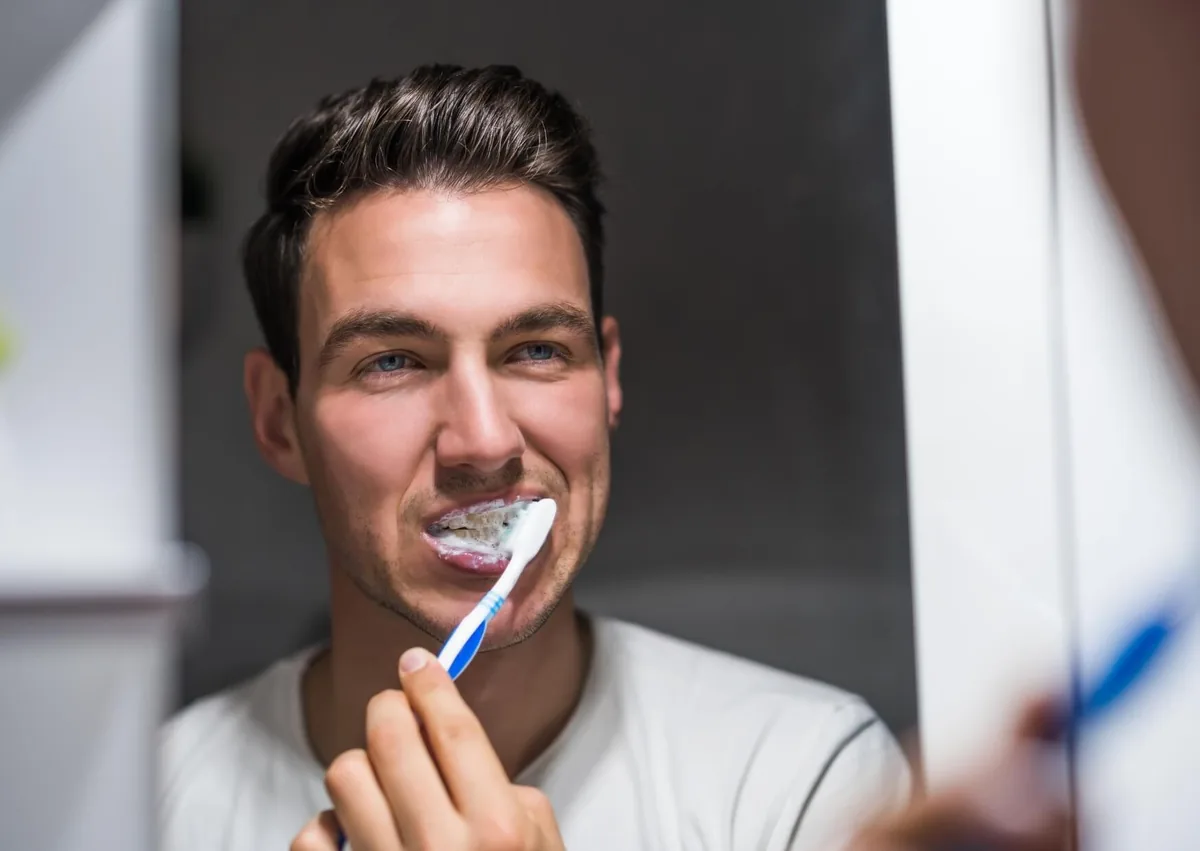
The best way to prevent cavities is to brush twice a day with fluoride toothpaste, clean between your teeth every day, limit frequent sugar and acid exposure, and get regular preventive dentistry based on your risk. These habits lower plaque, strengthen enamel, and help catch early decay before it turns into pain or more involved treatment.
If you want a clear, personalized assessment of your cavity risk and a prevention plan tailored to your daily habits, a dental cleanings and exams visit can identify early changes and practical steps to protect enamel and reduce future treatment. AR Smiles in Fairlawn, OH provides focused preventive care to help preserve teeth and limit the need for more complex work.
Cavities, also called dental caries or tooth decay, start when plaque bacteria feed on sugars and starches from food and drinks. Those bacteria produce acids that pull minerals out of enamel, the hard outer layer of the tooth.
Saliva helps neutralize acid and return some minerals to enamel. But when acid attacks happen often or the mouth stays dry, enamel may not recover and a permanent hole can form.
Frequent sipping and snacking raise risk because each exposure starts another acid attack. If you want more detail on timing, see how long it takes for a cavity to form.
Brush for about two minutes twice a day with a soft-bristled toothbrush and fluoride toothpaste. Clean every surface gently, especially along the gumline.
Fluoride helps enamel resist acid and supports repair of early mineral loss. After brushing, spit out the toothpaste and avoid rinsing hard with water right away so fluoride can stay on the teeth longer.
Use gentle technique, not extra force. Brushing harder does not prevent cavities better, and it can irritate gums or wear tooth surfaces.
Replace your toothbrush or electric brush head every three to four months, or sooner if bristles fray. A powered brush can help some people clean more consistently, but regular use and good technique matter most.
A toothbrush cannot fully clean tight spaces between teeth, and decay often starts there. Floss, a floss holder, an interdental brush, or a water flosser once a day can help remove plaque from those areas.
Slide floss gently below the gumline and curve it around each tooth instead of snapping it into the gums. If braces, bridges, tight contacts, or limited dexterity make this difficult, a dentist or hygienist can show you a better method.
If you notice food trapping or localized sensitivity, review common signs of a cavity between teeth. Mouthwash may help support your routine, but it does not replace brushing or interdental cleaning.
Try to keep sugary or acidic foods and drinks with meals instead of having them often throughout the day. Water, especially fluoridated tap water, is usually the best everyday drink for cavity prevention.
After soda, sports drinks, citrus drinks, reflux, or vomiting, rinse with water and wait a bit before brushing. Enamel may be temporarily softened after acid exposure.
Dry mouth also increases cavity risk because saliva protects teeth and helps clear food debris. It may be related to medications, dehydration, tobacco or cannabis use, mouth breathing, or certain health conditions.
Sugar-free gum with xylitol may help stimulate saliva after meals if you can chew gum safely. It is only a support tool, not a substitute for fluoride toothpaste or professional care, and xylitol must be kept away from dogs.
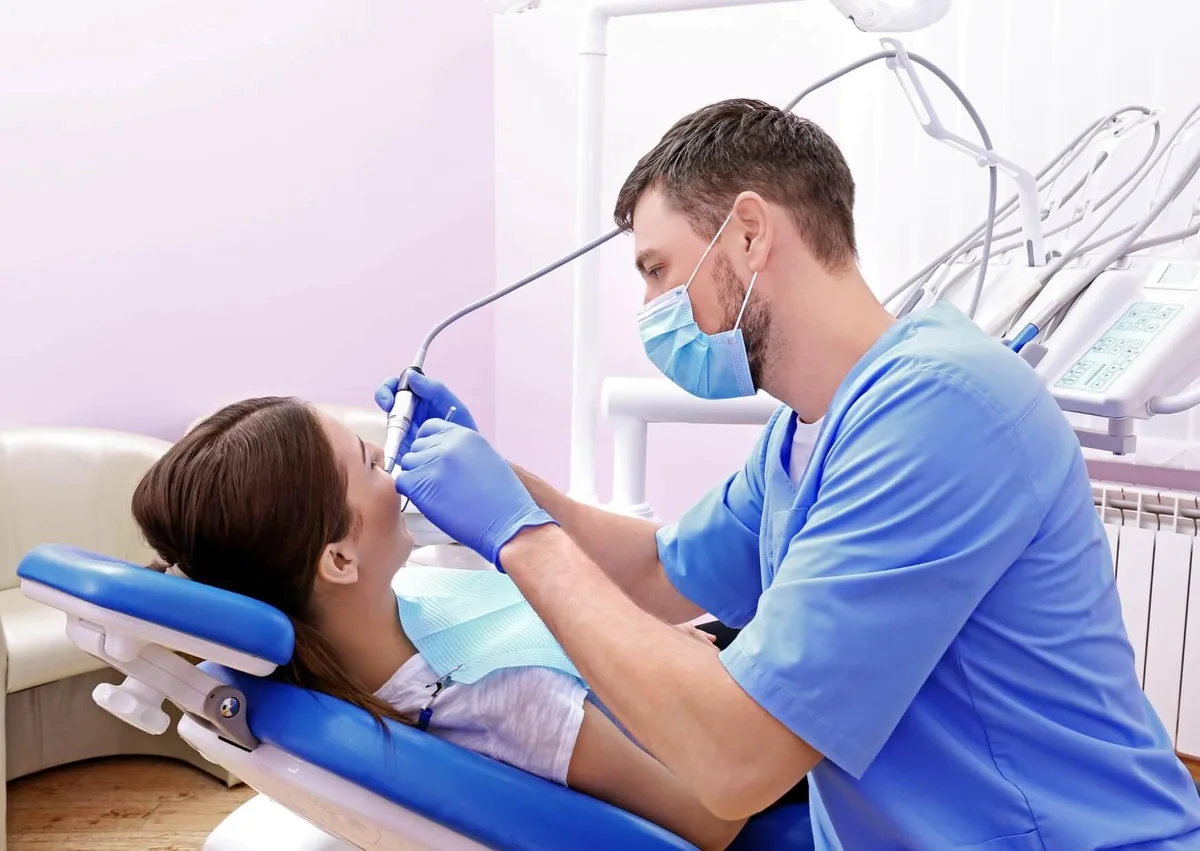
Regular dental cleanings and exams help a dentist check plaque buildup, enamel changes, old fillings, saliva flow, diet, and other cavity risks. Visit frequency and X-ray timing should be based on your personal history, not a one-size-fits-all schedule.
Professional fluoride treatment can add protection for people with dry mouth, exposed roots, braces, or a history of decay. Dental sealants can protect the deep grooves of back teeth, especially in children and teens, and some adults may benefit as well.
Early enamel changes can sometimes be managed with better plaque control, fluoride, and risk-factor changes. Once a true cavity forms, it usually needs restorative treatment because lost tooth structure does not grow back.
Early decay may cause no symptoms at all, which is one reason preventive visits matter. As it progresses, you may notice white, brown, or black spots, a visible pit, food trapping, sensitivity to sweets or temperature, pain when biting, or a toothache.
Arrange a dental visit if you want to know you have a cavity or if symptoms are new, persistent, worsening, or unclear. Prompt care may allow simpler treatment and can rule out other causes such as cracks, gum recession, or infection.
Seek urgent dental or medical care for facial swelling, fever, trouble swallowing or breathing, spreading redness, confusion, or severe uncontrolled pain. These can be signs of a serious infection and should not wait for a routine visit.
A dentist can help if you keep getting cavities despite careful home care. Your prevention plan may need changes in fluoride exposure, cleaning technique, saliva support, diet, appliances, or follow-up timing.
For an individualized prevention plan and professional plaque removal, arrange a dental cleanings and exams visit to assess risk and apply protective treatments as needed. Call AR Smiles for dental cleanings and exams in Fairlawn, OH and nearby Copley or Bath at (330) 593-2500 to schedule an appointment.
Very early mineral loss may sometimes be stopped or partly reversed with fluoride, better cleaning, and fewer acid attacks. For more detail, see whether small cavities heal. A formed cavity usually cannot heal on its own and should be evaluated by a dentist.
No. Cavities develop from a mix of plaque bacteria, frequent carbohydrate exposure, fluoride levels, saliva flow, cleaning habits, and tooth anatomy.
No. Brushing harder does not clean better and may damage gums or wear tooth surfaces. Use a soft-bristled brush, fluoride toothpaste, gentle pressure, and enough time to clean every surface.
The bacteria linked to tooth decay can spread through saliva, but cavities themselves are not contagious. Avoid sharing utensils or putting a child's pacifier in an adult mouth.
That depends on cavity risk, gum health, age, medical history, and past dental treatment. A dentist can recommend the right exam and X-ray schedule for your needs.