
Menu
- Home
- About Us
- Services
- Dental Savings Plan
- Patient Resources
- Success Stories
- Gallery
- Contact Us
close
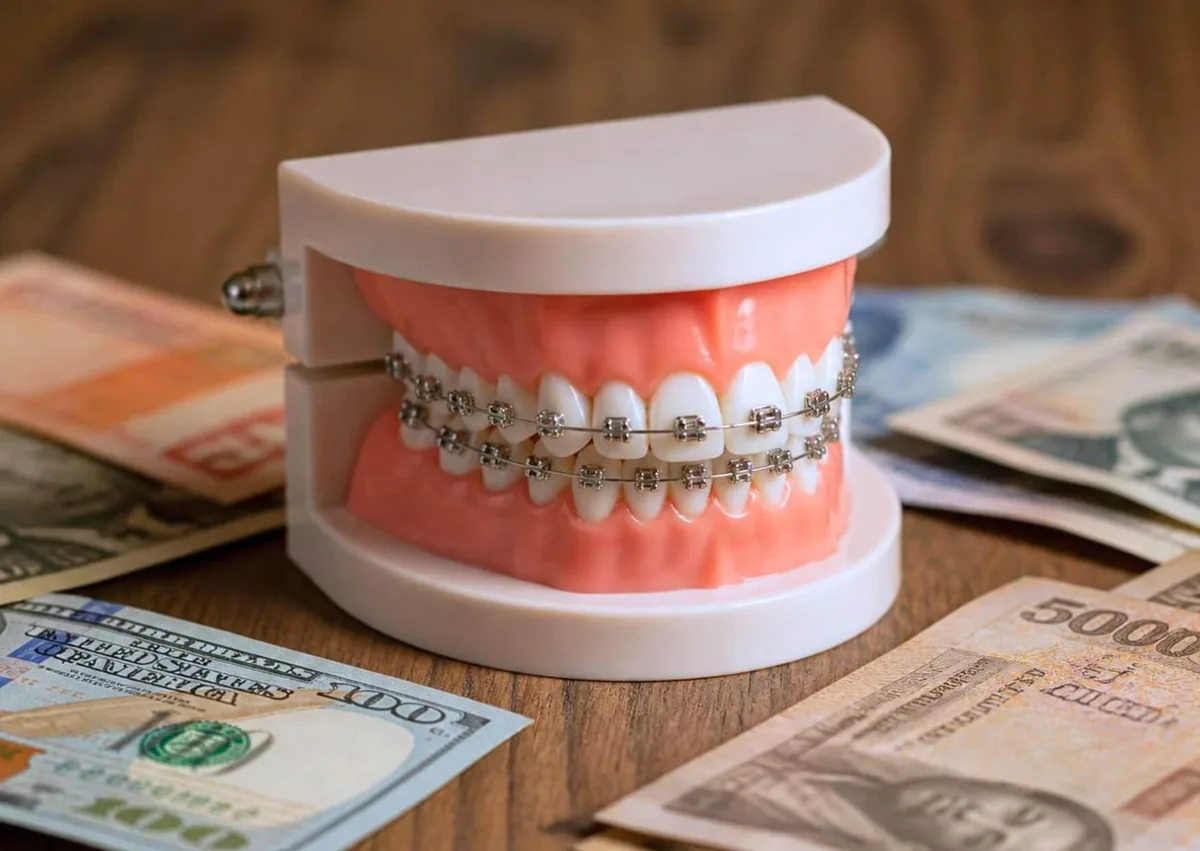
If you have dental insurance, braces often cost about $1,500 to $5,000 out of pocket. Without insurance, total fees are commonly around $3,000 to $7,500 or more, but your actual cost depends on your plan, the type of braces, and how complex treatment is.
These are broad U.S. estimates, not guaranteed prices. The most accurate number comes from a written treatment estimate and your insurer’s explanation of benefits.
If you're weighing the cost and coverage of braces and want a personalized treatment estimate, our orthodontics team can review options that match your needs and budget. AR Smiles in Fairlawn, OH helps patients understand expected costs and insurance impacts with clear written estimates and straightforward treatment plans.
Dental insurance usually does not pay the full cost of braces. Many plans cover a percentage of the allowed fee, often around 50%, but only up to a lifetime orthodontic maximum that commonly ranges from $1,000 to $3,000.
For example, if braces cost $6,000 and your plan pays 50% up to a $2,000 lifetime maximum, insurance may stop at $2,000 instead of paying $3,000. That would leave about $4,000 as the patient’s responsibility, not including deductibles, exclusions, or fee differences.
Many plans also pay orthodontic benefits in installments over time rather than in one lump sum. If coverage ends or changes during treatment, some remaining benefits may not be paid.
Orthodontic coverage is often separate from routine dental coverage. A plan that pays for exams, cleanings, and fillings may still offer limited orthodontic benefits or none at all.
Key plan details that affect your out-of-pocket cost include:
The annual maximum for general dental care is often different from the orthodontic lifetime maximum. Check both numbers so you do not overestimate what insurance will pay.
The total treatment fee often includes records, appliance placement, adjustment visits, and monitoring. Retainers, replacement appliances, emergency repairs, extractions, jaw surgery, or extended treatment may cost extra, so the written estimate should clearly list what is included.
|
Treatment Option |
Typical Cost Pattern |
Insurance Consideration |
|---|---|---|
|
Traditional metal braces |
Often the least expensive fixed option |
Most likely to fit standard orthodontic benefits |
|
Ceramic braces |
Often cost more than metal braces |
The cosmetic upgrade may not be fully covered |
|
Lingual braces |
Usually among the most expensive options |
Coverage may be limited to the plan’s allowance for standard treatment |
|
Cost may be similar to braces, depending on complexity |
Some plans cover them like braces; others limit or exclude coverage (coverage for brands such as Invisalign varies) |
More complex bite problems usually take longer to treat and can increase the total fee. The recommended option depends on tooth position, jaw development, gum health, and how well the patient can follow treatment instructions.
Insurance is only one part of the total cost. Many orthodontic offices offer monthly payment plans, and some may provide a discount for paying the patient portion in full.
Health savings accounts and flexible spending accounts may help you pay eligible orthodontic expenses with pretax dollars. Check with your account administrator for eligibility rules, timing, and required documentation.
Medicaid dental benefits vary by state. Orthodontic coverage is usually limited to children whose condition meets specific medical-necessity standards, and adult coverage is uncommon.
Ask the orthodontics team for a written estimate that shows the total fee, estimated insurance benefit, down payment, monthly payments, and expected out-of-pocket balance. Also confirm whether records, retainers, repairs, and treatment beyond the expected timeline are included.
Before starting treatment, ask your insurer:
A pretreatment estimate from the insurer can help, but it is not always a guarantee of payment. Coverage, eligibility, and plan status can change before claims are processed.

Before braces begin, cavities and gum inflammation usually need treatment first because braces can make cleaning harder. Good brushing, flossing, and regular dental visits may help prevent extra costs from decay, gum problems, or appliance damage during treatment.
It also helps to follow food and appliance instructions carefully. Broken brackets, bent wires, lost aligners, or missed visits can sometimes extend treatment and increase costs.
An orthodontic evaluation may be helpful for crowded teeth, gaps, protruding teeth, trouble biting or chewing, teeth that do not meet evenly, or jaw growth concerns. Children are often advised to have an initial evaluation by age 7, though many do not need treatment at that age; parents can also ask pediatric dentistry for child-focused guidance.
During treatment, contact the orthodontic office for a loose bracket, broken wire, lost appliance, persistent pain, or worsening gum swelling. Do not try to repair an appliance yourself if it could cause injury.
Seek urgent dental or medical care for facial swelling with fever, trouble breathing or swallowing, uncontrolled bleeding, major facial trauma, or an appliance interfering with breathing. For nonurgent questions about cost and coverage, an orthodontic exam and insurance review can give you a more realistic treatment plan.
To get a clear written estimate and review how insurance will apply, schedule an orthodontics consultation that includes a pretreatment insurance estimate and cost breakdown. AR Smiles offers orthodontics in Fairlawn, OH and serves nearby Copley and Bath; call (330) 583-5158 or book online to set an appointment.
Some plans cover adult orthodontics, but many limit benefits to dependent children. Check the policy’s age restrictions, lifetime maximum, network requirements, and exclusions before treatment begins.
It may help if the expected benefit is greater than the premiums and the plan covers the patient. Waiting periods, age limits, lifetime maximums, and exclusions for treatment already in progress can reduce its value.
Some treatment fees include retainers, while others bill them separately. Ask how many retainers are included and what replacement retainers will cost.
Many orthodontic offices offer payment plans for the amount not covered by insurance. Ask about the down payment, payment period, financing charges, late fees, and what happens if treatment lasts longer than expected.