
Menu
- Home
- About Us
- Services
- Dental Savings Plan
- Patient Resources
- Success Stories
- Gallery
- Contact Us
close
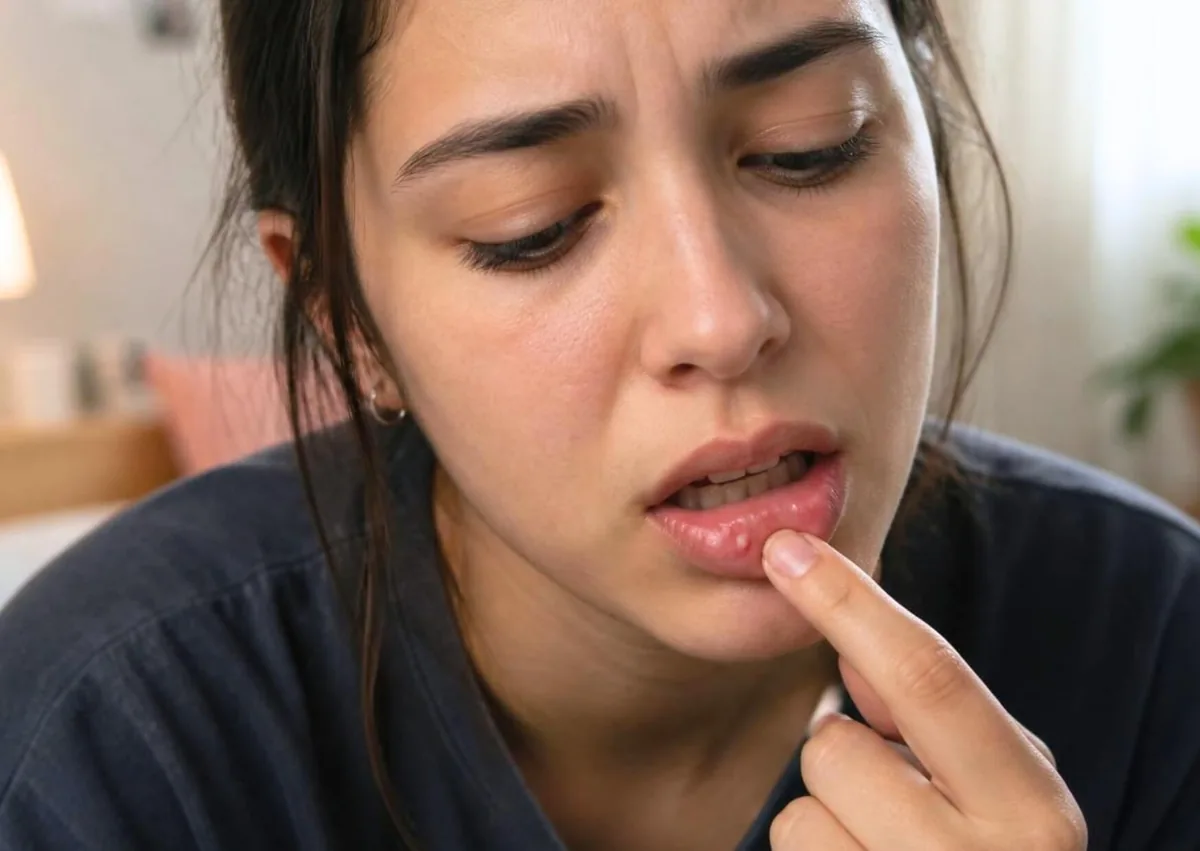
Most canker sores last 7 to 14 days and heal on their own without scarring. Pain usually improves after the first few days, but a sore that lasts longer than two weeks, becomes unusually large, or makes eating and drinking difficult should be checked by a dentist or medical clinician; an oral cancer screening can help rule out more serious causes.
If a mouth sore has lasted longer than two weeks or looks unusual, an oral cancer screening can help determine whether further evaluation is needed. AR Smiles in Fairlawn, OH offers thorough screenings to clarify causes and guide next steps for peace of mind.
Canker sores, also called aphthous ulcers, are shallow sores that form inside the mouth. They are not contagious and often appear on the inner lips or cheeks, under the tongue, on the soft palate, or near the base of the gums.
| Type | Typical Features | Expected Healing Time |
|---|---|---|
| Minor | Small, round or oval, with a red border | About 1 to 2 weeks |
| Major | Larger, deeper, and often more painful | Several weeks, sometimes with scarring |
| Herpetiform | Clusters of many tiny ulcers that may merge | About 1 to 2 weeks, though outbreaks can be extensive |
Minor canker sores are the most common type. Larger sores or sores that keep coming back should be evaluated because they can resemble other oral conditions.
Reported healing times for aphthous ulcers are generally consistent with these ranges.
A canker sore often starts with tingling, burning, or tenderness before the ulcer appears. It then becomes a round or oval sore with a white, yellow, or gray center and a defined red border.
Discomfort is often worse with spicy, acidic, salty, or rough foods. Unlike cold sores, canker sores develop inside the mouth and are not caused by the herpes simplex virus.
The exact cause is not always clear. Common triggers include accidentally biting the cheek, irritation from braces or a sharp tooth, stress, hormonal changes, food sensitivities, or toothpaste that contains sodium lauryl sulfate.
Low levels of iron, folate, vitamin B12, or zinc may contribute in some people. Recurrent or severe ulcers can also be linked to immune system disorders, celiac disease, inflammatory bowel disease, or reactions to certain medications.
Repeated irritation can slow healing. A rough filling, broken tooth, or orthodontic wire that keeps rubbing the same area should be checked during a dental cleaning and exam rather than managed only with home remedies.
Pain is usually strongest during the first several days and then gradually improves as the tissue heals. The sore may still be visible after it becomes less tender.
| Stage | What May Happen |
|---|---|
| First 1 to 2 days | Tingling, burning, or a small tender spot develops |
| Next several days | The ulcer becomes visible and discomfort may peak |
| By 7 to 14 days | Most minor sores shrink and heal |
| Beyond 2 weeks | Professional evaluation is appropriate |
These time frames are general, not a diagnosis. A mouth sore that looks unusual or follows a different pattern should be checked even if it is not painful.
Most minor canker sores only need supportive care while the mouth heals. Helpful steps include:
Do not place aspirin directly on the sore because it can burn oral tissue. A dentist or medical clinician may recommend a prescription mouth rinse or topical corticosteroid for severe, large, or recurring ulcers after evaluating the cause.
Keeping a brief record of outbreaks can help identify patterns involving foods, stress, dental appliances, or oral care products. Regular meals, adequate sleep, careful brushing, and correction of sharp dental edges may reduce common triggers.
Do not start high-dose vitamin or mineral supplements just for mouth ulcers without professional guidance. If a deficiency is suspected, a clinician can decide whether testing or targeted treatment is appropriate.
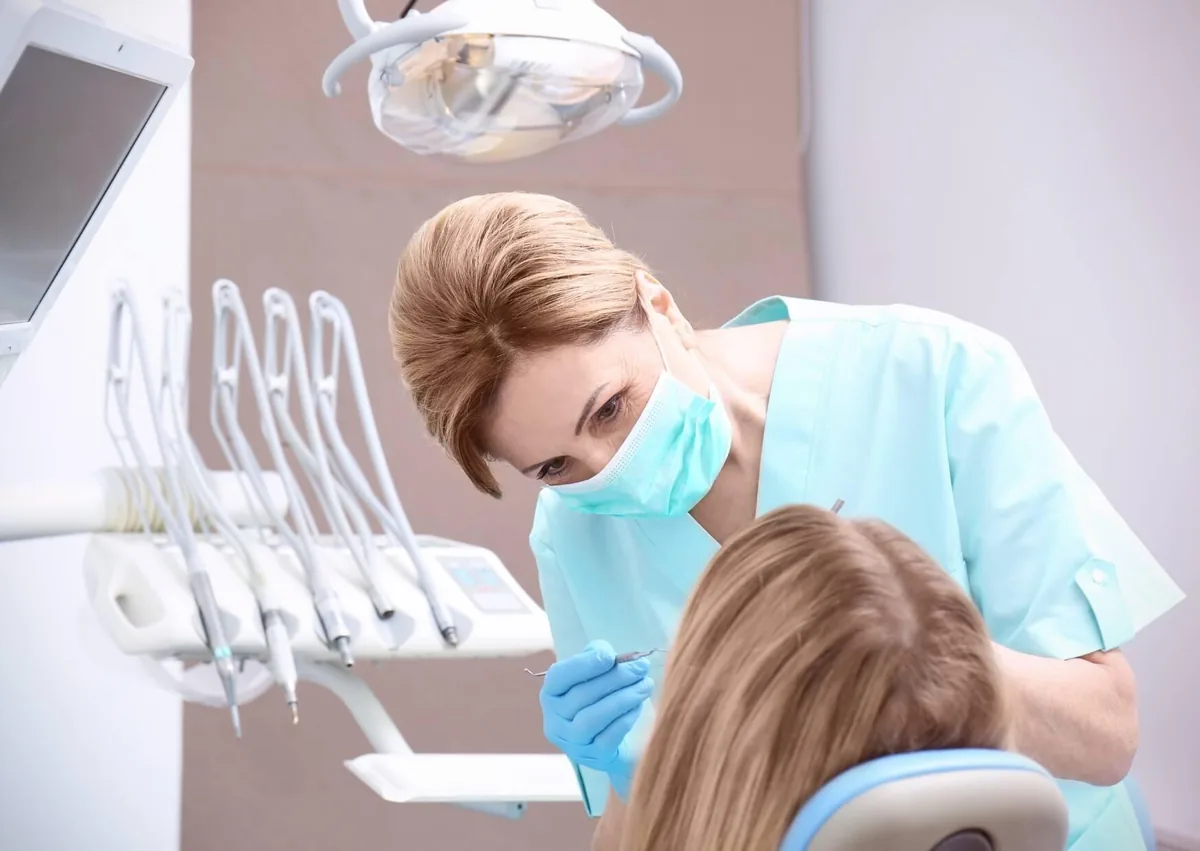
Arrange an evaluation if a sore has not healed within two weeks, keeps returning, is unusually large, spreads, or becomes more painful. Care is also appropriate for multiple ulcers, new sores that appear before older ones heal, fever, diarrhea, rash, unexplained weight loss, swollen lymph nodes, or signs of infection.
Seek prompt medical care or emergency dentistry if mouth swelling affects breathing or swallowing, or if dehydration develops because drinking is too painful. Anyone with a weakened immune system should contact a healthcare professional earlier for severe or persistent mouth sores.
A dentist can check for ongoing trauma, infection, medication effects, and oral conditions that may look like a canker sore during a dental cleaning and exam. Persistent mouth ulcers sometimes require testing or referral, so it is safer to have them assessed than to assume every sore is harmless.
When a sore persists beyond two weeks or is unusual, a focused oral cancer screening or exam is the appropriate next step to identify or rule out serious conditions. Contact AR Smiles in Fairlawn, OH, which also serves Copley and Bath, for oral cancer screening and exams; call (330) 593-2500 to schedule.
No. Canker sores are not contagious and do not spread through kissing, shared utensils, or other contact.
No. Canker sores develop inside the mouth and are not caused by herpes, while cold sores usually form on or around the lips and are caused by the herpes simplex virus.
Pain may improve within a few days, but the ulcer itself often takes 7 to 14 days to disappear. Healing time depends on the sore's size, depth, location, and whether the area keeps getting irritated.
Recurring sores may be linked to stress, minor injuries, food sensitivities, nutritional deficiencies, medications, or an underlying health condition. Frequent or severe outbreaks should be evaluated by a dentist or medical clinician.