
Menu
- Home
- About Us
- Services
- Dental Savings Plan
- Patient Resources
- Success Stories
- Gallery
- Contact Us
close
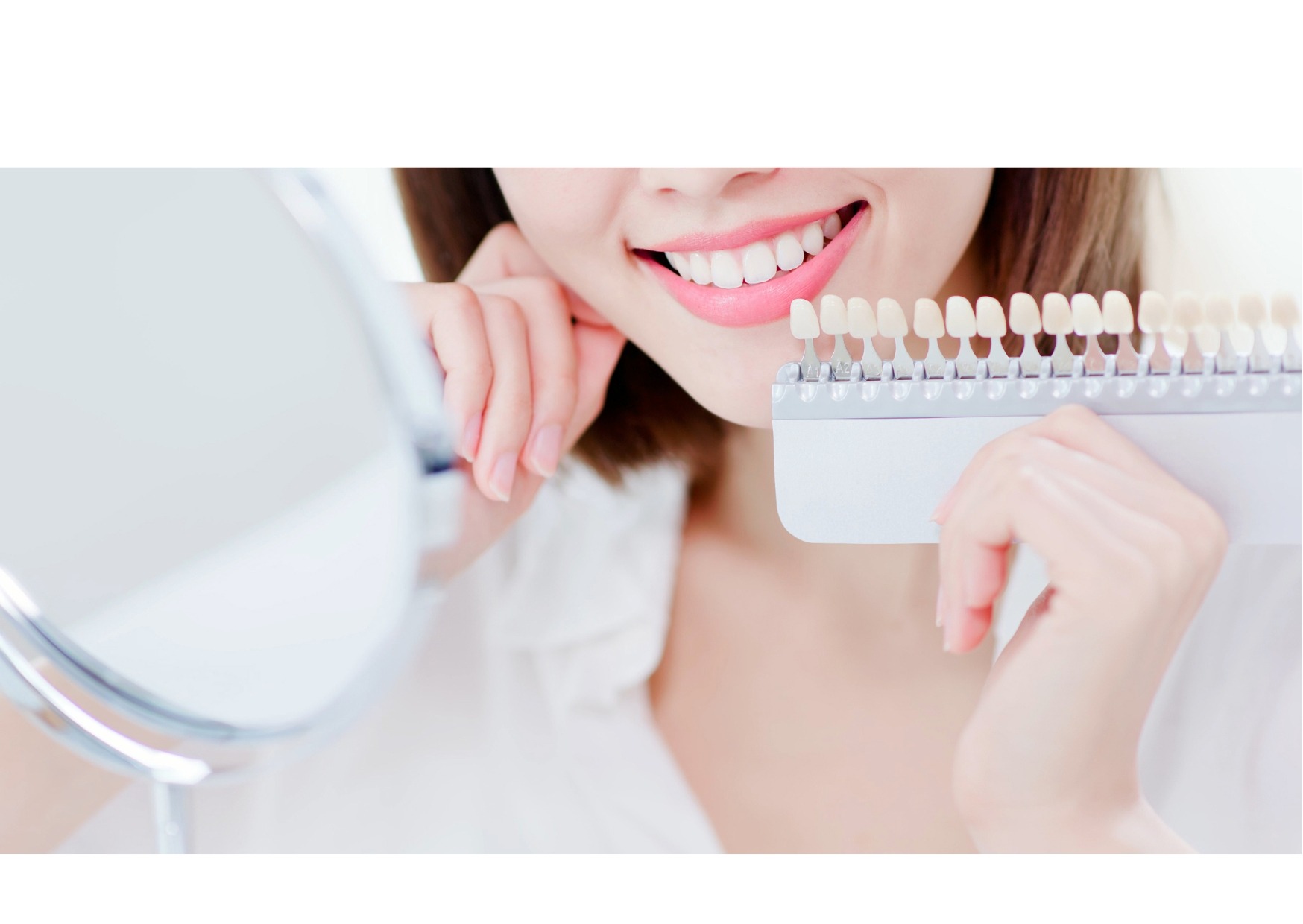
In many families, a bright smile carries a quiet history. It shows up in photos, gatherings, and daily routines like morning coffee or brushing at night. For many patients, interest in whitening begins with contrast, when teeth appear darker in certain lighting or compared to older photos.
When considering what to expect from teeth whitening, it goes beyond how white teeth can become. Timing, comfort, and safety all play a role, along with how natural the results look day to day. Whitening targets stains in enamel and, in some cases, deeper discoloration in dentin, with gradual results and occasional temporary sensitivity.
For patients exploring treatment, AR Smiles in Fairlawn, OH offers teeth whitening services and helps guide individuals through available options and expected outcomes.
Teeth rarely change color for just one reason. Daily exposure to coffee, tea, red wine, tobacco, and deeply pigmented foods slowly builds surface stains. At the same time, enamel thins with age, allowing the naturally yellower dentin underneath to show through.
Some discoloration stays near the surface and responds well to cleaning or whitening. Other stains develop deeper inside the tooth, where they are harder to lighten. Trauma, certain medications, and enamel defects can also create uneven or stubborn color changes.
This difference affects how much whitening can help. Patients who expect a dramatic, uniform white from every starting point are often disappointed. Those who understand the cause of their discoloration are more likely to be satisfied with a natural-looking improvement.
Whitening treatments can make natural teeth several shades lighter. However, they do not create a perfectly uniform color across all teeth. Natural variations such as translucency and slightly darker canines remain.
Whitening does not change the color of crowns or veneers, fillings, or bonding. These materials stay the same shade after treatment. This can create visible contrast if surrounding teeth become lighter.
For some patients, that difference is minor. For others, especially when front teeth contain veneers or bonded restorations, it can affect cosmetic planning. Dentists may recommend whitening before replacements. This allows for better color matching later. Planning ahead supports a more balanced and consistent result.
A whitening plan usually starts with an exam, not treatment. The dentist checks for cavities, gum recession, worn enamel, cracks, and existing sensitivity. These details help prevent irritation during whitening.
The consultation also focuses on habits and expectations. Frequent coffee drinking, tobacco use, or a need for quick results before an event can influence the plan. Photos or shade guides are often used to document the starting point.
This step helps set realistic expectations. Patients often adjust their goals toward a more natural appearance. In dentistry, that is often the wiser outcome. Before any whitening, professional cleanings & exams help ensure teeth and gums are ready for cosmetic work.
In-office whitening is designed for faster results with professional supervision. The gums and soft tissues are protected before a concentrated whitening gel is applied to the teeth. Because these treatments use stronger formulas, higher concentrations can increase sensitivity, especially during or shortly after the visit.
Some patients feel little more than mild dryness from keeping their mouth open. Others experience brief “zingers,” which are short, sharp sensitivity sensations during or after treatment. These are usually temporary but can be noticeable.
Results are often visible the same day. However, teeth may appear slightly whiter immediately after treatment due to temporary dehydration. The color usually settles into a more natural shade within a few days.
Take-home trays offer a slower, more controlled whitening process. They are custom-fitted to keep the gel evenly distributed and reduce contact with the gums. Treatment typically takes place over several days or weeks.
This method fits more easily into daily routines. Patients can whiten their teeth around work, meals, and other responsibilities. The gradual change often looks more natural and allows adjustments if sensitivity develops.
Consistency is important for even results. Skipping applications or combining multiple products without guidance can lead to uneven color or irritation. Following a structured plan helps maintain comfort and predictability.
Temporary tooth sensitivity is the most common side effect of whitening. Teeth may react more strongly to cold air, cold drinks, or sweets for a short time. This happens because whitening temporarily affects fluid movement inside the tooth.
Mild gum irritation can also occur if the whitening gel contacts soft tissue. This may appear as slight tenderness or pale areas on the gums. These effects usually resolve quickly once the gel is removed or adjusted.
More serious symptoms should not be ignored. Persistent pain, swelling, or worsening discomfort requires evaluation. Whitening should not cause ongoing or severe dental issues.
Sometimes discoloration points to a different issue. A tooth that darkens after trauma may need evaluation before whitening. White or brown spots may indicate enamel changes or early mineral loss.
Active dental problems should be treated first. These include cavities, gum disease, cracked teeth, or significant sensitivity. Whitening is more effective and comfortable when the mouth is healthy.
This can be frustrating, especially for patients hoping for a quick visual improvement before an important event. Still, it is one of the clearest examples of responsible dentistry. A brighter smile should not come at the expense of a painful one.
Whitening is not permanent. Teeth continue to be exposed to staining foods, drinks, and natural aging. How long the result lasts depends on the original cause of staining, the whitening method used, and habits after treatment.
Frequent coffee, tea, red wine, or tobacco use can shorten results. Regular brushing and professional cleanings help maintain brightness. Occasional touch-ups may also extend the effect.
There is no single timeline that fits everyone. Some patients are satisfied for many months, while others prefer maintenance sooner. Whitening is best viewed as ongoing care rather than a one-time fix.
| Whitening option | Typical speed | Main advantages | Main limitations |
| In-office whitening | Fast, often same-day improvement | Supervised treatment, quicker visible change | More likely to cause short-term sensitivity in some patients, usually higher cost |
| Professional take-home trays | Gradual over days to weeks | Custom fit, controlled progress, useful for maintenance | Requires consistency and patience |
| Over-the-counter whitening strips | Gradual | Accessible and lower cost | Less customized fit, may miss certain areas or irritate gums |
| Whitening toothpaste | Slow and limited | Easy to use, helpful for surface stain maintenance | Usually does not significantly change deeper tooth color |
The best option depends on the condition of the teeth and the desired pace of results. A tailored approach usually provides more consistent outcomes. If you're deciding where to go for cosmetic care, consider reading about choosing a cosmetic dentist so you can find a provider whose approach matches your goals.
Most patients are not aiming for an overly bright, artificial white. They want their smile to look cleaner, fresher, and more like it once did. Small changes often make a noticeable difference.
The most satisfying results look balanced in different lighting. Teeth should appear natural in daylight, indoor light, and photos. Subtle variation is part of a realistic outcome.
Whitening works best when it enhances rather than replaces natural appearance. A measured approach often leads to results that feel more comfortable and sustainable.
If you are wondering what to expect from teeth whitening, the short answer includes a few key points:
A dental evaluation is worth considering before treatment, especially in the following situations:
This step does not make whitening more complicated. It makes the process safer and more predictable. In the end, whitening is less like repainting a wall and more like restoring something that has gathered years, often leading to a natural improvement when done thoughtfully.
To schedule a personalized consultation about teeth whitening, call (330) 835-1000 and ask about availability at our Fairlawn, OH location. We see patients from nearby Copley and Akron and can discuss in-office or take-home options suited to your goals.
That depends on the starting shade, the cause of the discoloration, and the whitening method used. Many patients see a noticeable improvement, but not every tooth reaches the same brightness, and dental work such as crowns or fillings will not whiten.
It may cause temporary sensitivity, especially to cold. Mild gum irritation can also happen. Severe pain, swelling, or symptoms that persist should be assessed by a dentist.
In-office whitening may show change the same day, while take-home trays and strips usually work more gradually over days or weeks. The final shade may settle after the teeth rehydrate.
When used appropriately and under professional guidance, whitening is generally considered safe for suitable patients. Problems are more likely when products are overused, used on unhealthy teeth, or applied without considering gum and enamel condition.
In many cases, yes. Since restorations do not lighten the way natural teeth do, whitening first can help a dentist decide whether any visible dental work needs to be updated for a better color match.