
Menu
- Home
- About Us
- Services
- Dental Savings Plan
- Patient Resources
- Success Stories
- Gallery
- Contact Us
close
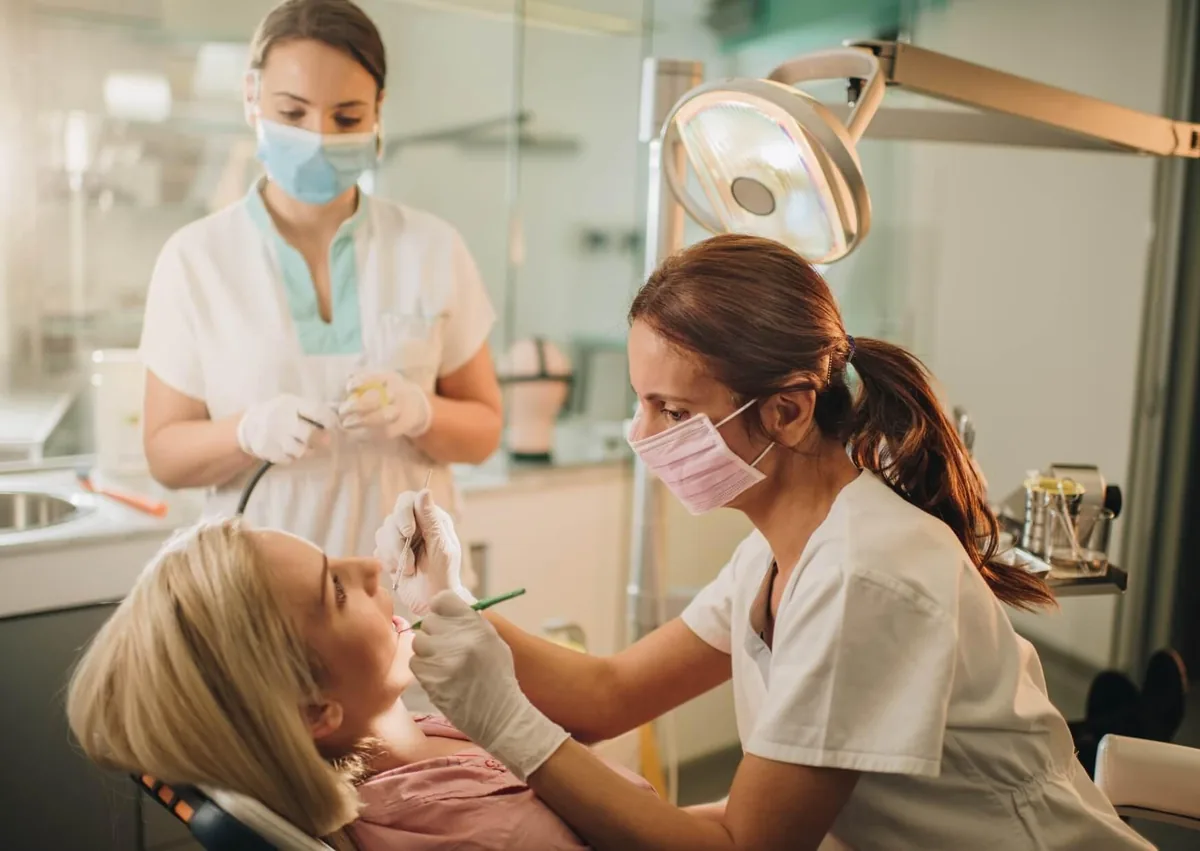
Preventive dental care means protecting your teeth and gums with daily home care and regular professional visits before problems become painful or expensive. For many people, that includes brushing twice a day, cleaning between the teeth daily, and having cleanings and exams at intervals based on personal risk, often about every six months.
If you're managing cavity or gum disease risk, targeted cleanings and exams show what your mouth needs. AR Smiles in Fairlawn, OH offers gentle preventive care to protect teeth and simplify your routine.
Preventive dental care starts at home. Brush for two minutes twice a day with fluoride toothpaste, and clean between your teeth daily with floss, interdental brushes, or another tool your dentist recommends.
These daily habits are a core part of preventive dentistry. They help remove plaque before it can lead to cavities, gum inflammation, or tartar buildup.
Professional preventive care usually includes an oral exam, a gum health check, and a cleaning to remove plaque and hardened tartar. Your dentist may also evaluate your bite, existing dental work, and the soft tissues of your mouth.
Dental X-rays are not needed at every visit for every patient. Their timing depends on your age, symptoms, cavity risk, dental history, and whether certain areas can be examined clearly without imaging.
Plaque is a sticky film of bacteria that forms on teeth throughout the day. When those bacteria feed on sugars and other fermentable carbohydrates, they produce acids that weaken enamel and can cause a cavity to form.
Plaque near the gumline can also irritate the gums. That irritation may lead to redness, swelling, tenderness, or bleeding when brushing or flossing.
If gum disease progresses below the gumline, it can damage the tissues and bone that support the teeth. Early stages may cause few symptoms, which is one reason preventive visits matter.
Fluoride helps strengthen enamel and repair very early acid damage before a cavity needs a filling. Professional dental cleanings remove tartar, which is hardened plaque that cannot be brushed or flossed away at home.
There is no single preventive dental care schedule that fits everyone. Many people do well with checkups and cleanings about every six months, but some need shorter or longer intervals based on current risk.
Your dentist may recommend more frequent visits if you have active gum disease, frequent cavities, dry mouth, tobacco use, certain medical conditions, or trouble cleaning your teeth well. Children, pregnant patients, older adults, and people taking medicines that reduce saliva may also need more personalized care.
|
Risk Pattern |
Possible Visit Approach |
Why It May Vary |
|---|---|---|
|
Low risk and stable oral health |
Routine visits at a dentist-recommended interval |
Monitoring may be enough when disease is absent |
|
Frequent cavities or dry mouth |
More frequent evaluation and fluoride support |
Reduced saliva or repeated decay raises cavity risk |
|
Gum disease history |
Periodontal maintenance at shorter intervals |
Bacteria and tartar may return below the gumline |
|
New or unexplained symptoms |
Prompt examination rather than waiting for a routine visit |
Early assessment can identify the cause and limit complications |
These are general patterns, not fixed rules. Your recall interval should match your current risk, and that risk can change over time.
Use a soft-bristled manual or powered toothbrush with gentle pressure. Angle the bristles toward the gumline, and replace the brush or brush head when the bristles fray, usually every three to four months.
Clean between your teeth once a day with a method that fits your spacing and any dental work you have. A dentist or hygienist can show you safe techniques for braces, bridges, implants, or hard-to-reach areas.
Try to limit frequent sipping or snacking on sugary or acidic foods and drinks. Repeated exposure gives enamel less time to recover between acid attacks.
Water, especially fluoridated tap water where available, supports oral health. Tobacco and nicotine products increase the risk of gum disease, tooth loss, delayed healing, and oral tissue problems.
For more on the effects of poor home care, see not brushing your teeth. Children and adults at higher cavity risk may also benefit from professional fluoride treatment or dental sealants.
Sealants are thin protective coatings usually placed on the chewing surfaces of back teeth. They help protect deep grooves where food and bacteria can collect.
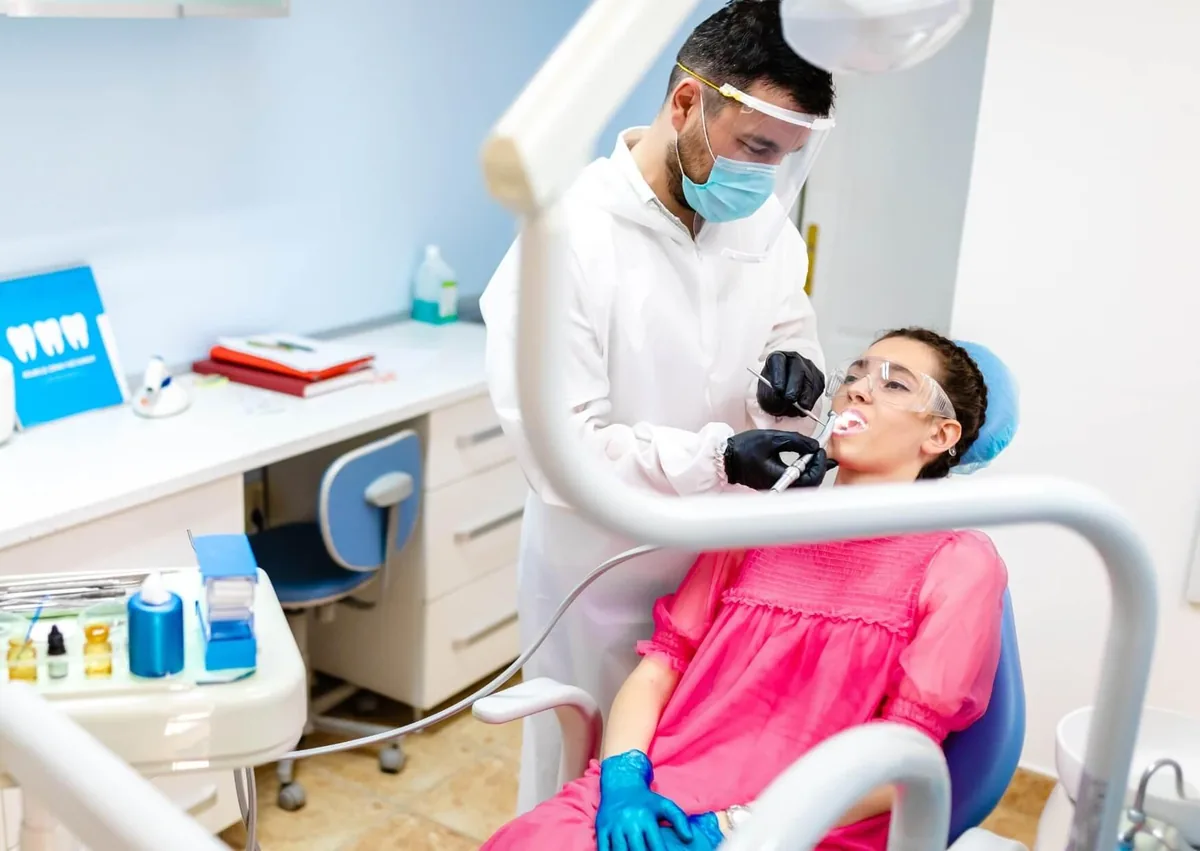
At a preventive visit, the dental team will usually ask about symptoms, home care, medications, health conditions, and any changes since your last appointment. Mention bleeding gums, sensitivity, dry mouth, jaw discomfort, mouth sores, tobacco use, pregnancy, or medication changes.
The exam may include checking for cavities, measuring gum health, screening for oral cancer, and evaluating fillings, crowns, or implants. A cleaning often includes removing tartar, polishing the teeth, and reviewing areas where home care could improve.
Preventive visits can catch problems early, but they cannot guarantee that disease will never happen. If something is found, your dentist may recommend restorative or periodontal treatment to address issues that prevention alone cannot reverse.
Do not wait for your next routine visit if you have persistent tooth sensitivity, repeated gum bleeding, bad breath that does not improve, a chipped tooth, a loose adult tooth, or a mouth sore lasting more than two weeks. You should also schedule an exam for pain that is severe, worsening, or hard to explain.
Seek urgent dental or medical care for facial swelling, fever with dental pain, uncontrolled bleeding, significant trauma, or swelling that affects swallowing or breathing. Difficulty breathing or swallowing is an emergency.
Even without symptoms, regular exams still matter because early cavities, gum disease, and some oral tissue changes may not hurt at first. A dentist can recommend a preventive schedule based on the condition of your teeth, gums, and overall health.
If you need a routine check or want help setting a prevention plan, book a cleaning and exam to get a clear, personalized plan. Call AR Smiles for dental cleanings and exams in Fairlawn near Copley and Bath at (330) 583-5158 to schedule an appointment or ask about same-day availability.
A routine cleaning is usually comfortable. If your gums are inflamed, your roots are exposed, or tartar buildup is heavy, you may have some temporary tenderness or sensitivity. Tell the dental team if an area feels painful. They can adjust the approach and evaluate whether something more than routine buildup is causing the discomfort.
Very early enamel mineral loss may sometimes be stopped or partly repaired with fluoride, better plaque control, and dietary changes. Learn more about how small cavities heal. Once a cavity has formed a physical hole in the tooth, a filling or another restorative treatment is usually needed.
Yes. Brushing does not reliably clean the tight surfaces between teeth. Daily flossing or another interdental cleaner helps remove plaque in those areas. The best tool depends on your spacing, dexterity, and any dental work you have.
Yes. The American Academy of Pediatric Dentistry recommends a first dental visit when the first tooth appears and no later than the first birthday. That early visit helps parents get guidance on brushing, fluoride, diet, and injury prevention.
Coverage varies by plan. Limits may apply to exams, cleanings, fluoride, sealants, and X-rays. It is smart to confirm benefits with your insurer, but the timing of care should be based on clinical need rather than coverage alone.