
Menu
- Home
- About Us
- Services
- Dental Savings Plan
- Patient Resources
- Success Stories
- Gallery
- Contact Us
close
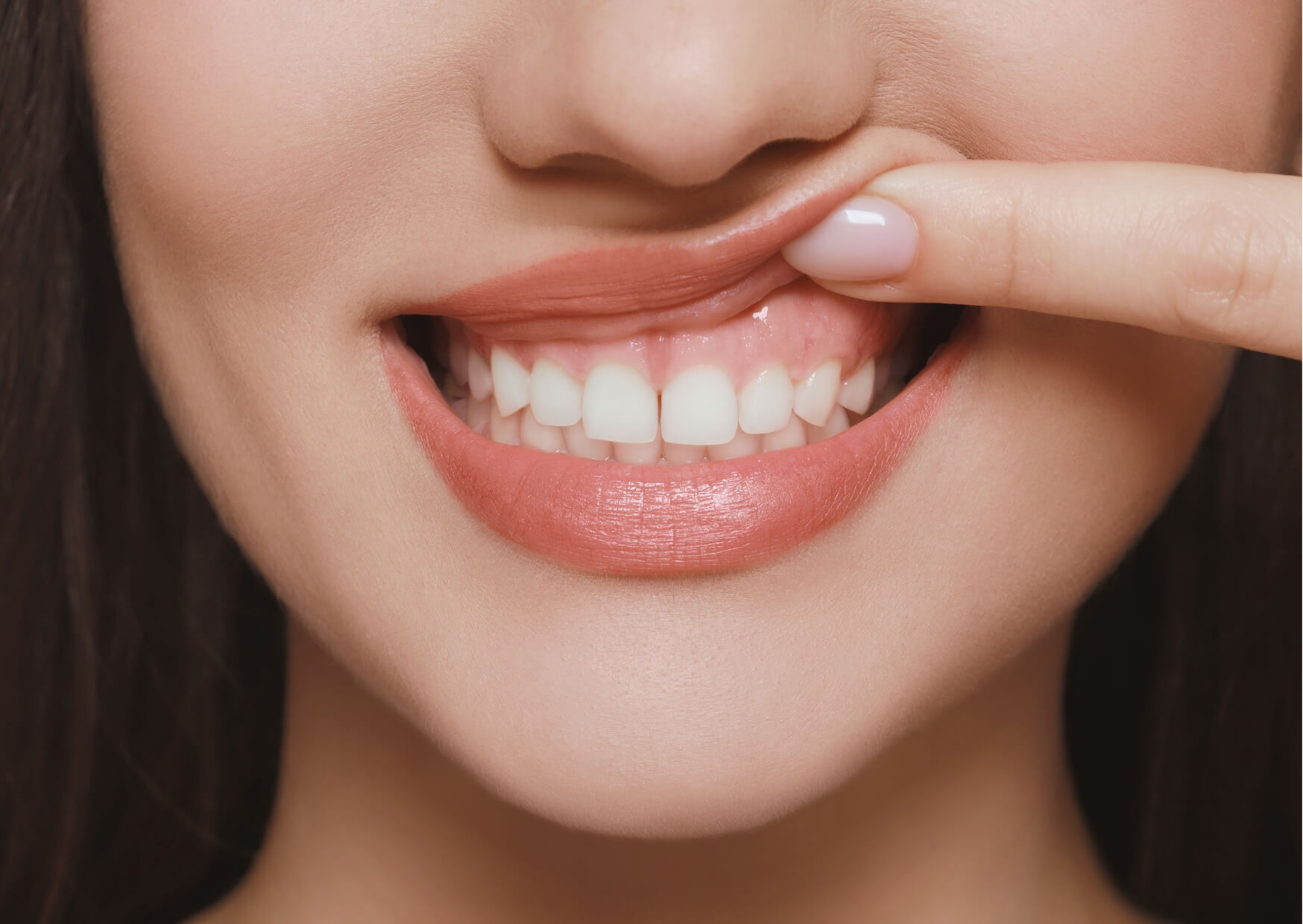
Gummy smile treatment reduces how much gum tissue shows above the upper teeth when you smile. The best treatment depends on the cause, which may include extra gum tissue, tooth position, upper-lip movement, jaw structure, or a combination of factors.
In many cases, a gummy smile is not a health problem, and treatment is optional. If you want to change the look of your smile, a dentist can identify the cause and explain which options may create a balanced, natural-looking result; many patients start with a cosmetic dentistry consultation (learn about choosing a cosmetic dentist).
AR Smiles offers cosmetic dentistry in Fairlawn, OH and provides personalized evaluations for patients concerned about excess gum display.
A gummy smile can happen when extra gum tissue covers part of the teeth, making the teeth look shorter than they really are. This may occur naturally or when teeth do not fully emerge through the gums, a process called altered passive eruption.
In other cases, the upper lip may be short or very active and lift higher than usual when smiling. The upper jaw may also sit lower than average, which can make more gum tissue visible even when the gums are healthy.
Swollen gums can also create a gummy appearance. Plaque-related inflammation, certain health conditions, and some medications can cause gum enlargement, which needs a different approach than cosmetic reshaping. For more on common signs of gum inflammation, see gingivitis symptoms.
A dentist usually examines your teeth, gums, bite, facial proportions, and upper-lip movement both at rest and while smiling. X-rays or digital imaging may also help show the position of the roots and supporting bone.
This exam helps determine whether the teeth are naturally small or simply covered by gum tissue. Treating the underlying cause is essential, because a procedure that works for excess gum tissue will not fix a lip- or jaw-related issue.
Tell the dentist about any medications, medical conditions, past orthodontic treatment, gum bleeding, or recent changes in gum size. Do not stop a prescribed medication without speaking with the clinician who prescribed it.
Gum contouring removes and reshapes a small amount of gum tissue to show more of the natural tooth surface. A dentist may use a laser or traditional instruments, depending on the tissue and the treatment plan.
This option may work well when extra gum tissue or an uneven gum line is the main issue. It is not the right choice if removing tissue would expose the root or leave too little healthy gum around the teeth.
Crown lengthening reshapes gum tissue and sometimes a small amount of underlying bone. It may be recommended when the bone sits too close to the visible edge of the tooth for simple gum contouring to provide a stable result.
Healing usually takes longer than with minor gum reshaping, and the gums need time to settle before the final result can be judged. If veneers or crowns are part of a broader cosmetic plan, the dentist may recommend waiting for healing before moving forward with a full dental makeover.
In many cases, these procedures are managed by a specialist in periodontics, especially when careful bone management is needed.
Braces or clear aligners may help when tooth position or bite problems contribute to excess gum display. Some cases require controlled movement of the upper teeth, sometimes with additional orthodontic devices.
Treatment time depends on the bite and the amount of movement needed. Orthodontic care may also improve function when crowding, spacing, or bite issues are present.
Talk with an orthodontic provider about whether orthodontics could be part of your plan or whether clear aligner treatment is suitable.
If the upper lip rises unusually high, some clinicians use botulinum toxin injections to temporarily reduce muscle movement.
Results are not permanent, and treatment should be provided only by a properly trained, licensed professional after reviewing facial anatomy, health history, and possible risks.
Lip repositioning surgery is another option in selected cases. It changes how far the upper lip lifts, but possible concerns include discomfort, scarring, uneven movement, and recurrence.
When the position of the upper jaw is the main cause, orthognathic surgery may provide the most significant correction. This is a major treatment planned by an orthodontist and an oral and maxillofacial surgeon, often when jaw structure also affects the bite or facial balance.
Recovery and risks are greater than with gum procedures. A careful discussion of benefits, alternatives, cost, and healing time is important before moving forward.
Comfort and recovery depend on the procedure. Minor gum reshaping may cause temporary tenderness, swelling, or sensitivity, while crown lengthening and surgical treatments usually involve longer healing and more follow-up visits.
Follow your clinician’s instructions for brushing, eating, and protecting the area. Avoid picking at healing tissue, and attend follow-up visits so the dentist can confirm that the gum line is stable and healthy.
No cosmetic procedure can guarantee perfect symmetry or a specific result. Before treatment, ask about the expected changes, how long results may last, possible complications, and whether future maintenance may be needed.
Red, puffy, tender, or bleeding gums should be evaluated before cosmetic treatment. Improving plaque control and treating active gum disease may reduce swelling and may change how much gum tissue shows when you smile.
If periodontal therapy is recommended, the office may discuss periodontal treatment options. Healthy gums are important for both safety and appearance.
Brush gently twice a day with fluoride toothpaste and clean between the teeth every day. Regular dental visits help identify inflammation, recession, and other conditions that may affect whether treatment is appropriate.
Schedule an evaluation if excess gum display bothers you, your gum line looks uneven, or you are thinking about cosmetic treatment. A dental exam can help determine whether the issue is cosmetic, functional, or related to gum health.
Seek care promptly for persistent bleeding, worsening swelling, pus, loose teeth, significant pain, or gum enlargement that appears suddenly or keeps increasing. These symptoms may point to a problem that needs treatment before any cosmetic procedure is considered.
Facial swelling, difficulty breathing or swallowing, uncontrolled bleeding, or swelling with fever requires urgent medical or dental attention. For nonurgent concerns, a comprehensive exam can help you choose the most conservative and predictable option.

A dentist can evaluate the gums, teeth, bite, and lip movement together and discuss options that fit your clinical needs and smile goals.
To discuss cosmetic dentistry at AR Smiles in Fairlawn or nearby Akron and Bath, call (330) 835-1000 to schedule an appointment.
Usually not. It is often a normal variation, but swollen or overgrown gums can sometimes signal inflammation, medication-related changes, or another condition that should be evaluated.
Results can be long-lasting when excess gum tissue is the main issue and the underlying bone supports the new gum line. In some cases, tissue can regrow, especially if the original cause was not fully addressed.
Local anesthesia is commonly used for procedures involving gum tissue, so discomfort during treatment is usually limited. Temporary soreness, swelling, or sensitivity may happen afterward, and recovery depends on the type of procedure.
Clear aligners may help when tooth position contributes to excess gum display, but they cannot correct every cause. A dentist or orthodontist needs to evaluate the bite, roots, gums, and jaw structure to see whether aligners are appropriate.
Coverage varies. Treatment done only to improve appearance is often considered cosmetic, while care related to gum disease, bite problems, or functional concerns may receive partial coverage. Ask the dental office and your insurer for a written estimate.