
Menu
- Home
- About Us
- Services
- Dental Savings Plan
- Patient Resources
- Success Stories
- Gallery
- Contact Us
close
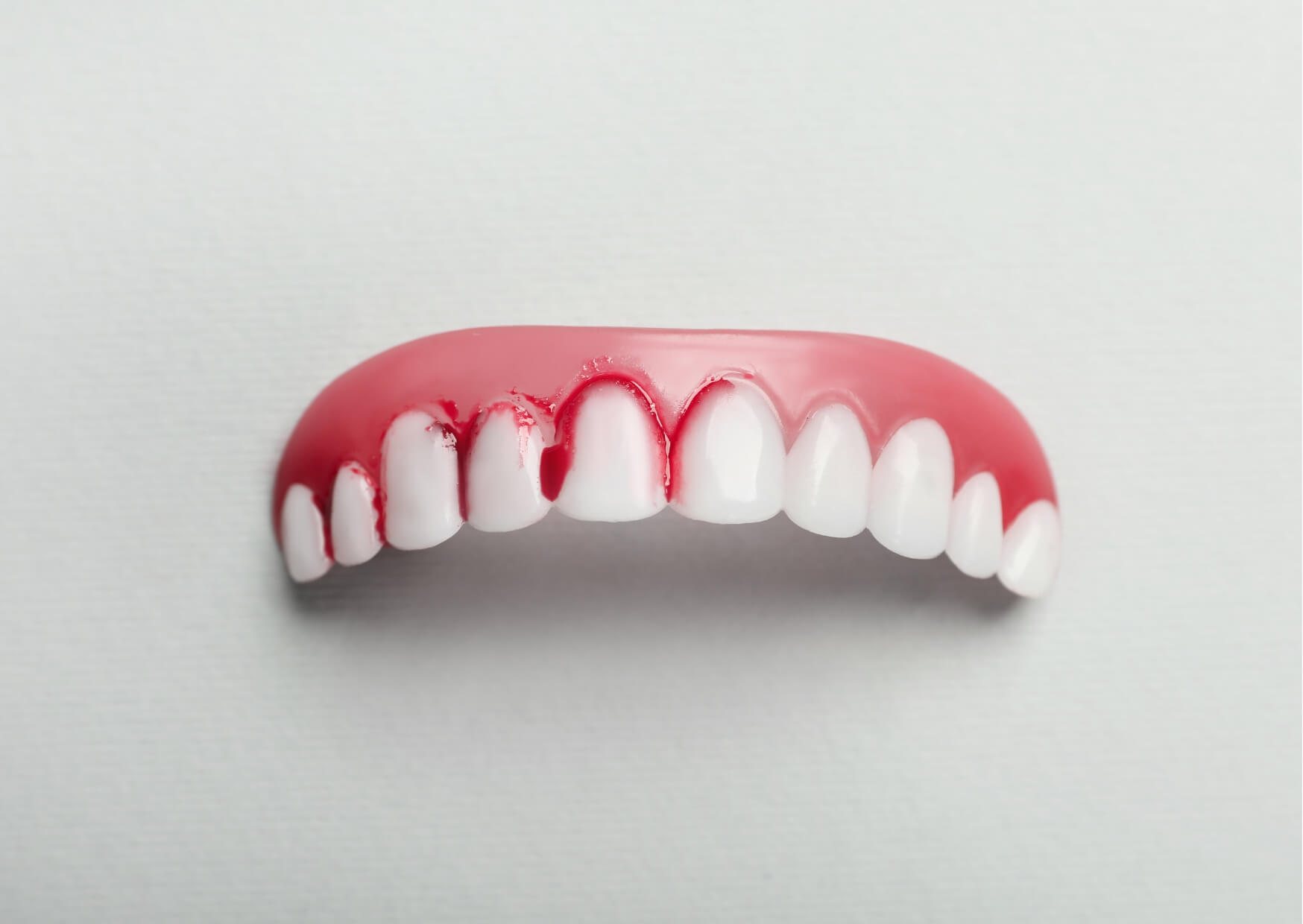
In many homes, brushing at the sink is part of the morning rhythm, as familiar as coffee brewing or traffic outside. That is often where gingivitis symptoms first appear, not as dramatic pain, but as a faint pink trace in the foam, mild soreness near the gumline, or gums that seem puffier than usual.
Gingivitis is the earliest stage of gum inflammation. It happens when plaque, a sticky film of bacteria, collects along the teeth and irritates the gum tissue.
The most common signs include gums that bleed during brushing or flossing, redness instead of a healthy pale pink color, swelling, and tenderness. Some people also notice persistent bad breath or a bad taste that does not fully go away after cleaning. Simple bad breath solutions can sometimes help when this is an early sign of gum inflammation.
These changes may seem minor, especially when they come and go. Still, they often mean the gums are reacting to ongoing irritation and need attention before deeper damage develops.
At AR Smiles in Fairlawn, OH, our professional cleanings offer the kind of support many people find helpful for early gum changes.
The usual cause of gingivitis is plaque that is not removed well enough each day. When plaque stays at the gumline, the bacteria inside it trigger inflammation, and the gums may become swollen, fragile, and more likely to bleed.
This can happen even in people who brush regularly. Crowded teeth, old dental work with rough edges, dry mouth, smoking, mouth breathing, and orthodontic appliances can all make plaque harder to control. In other words, poor oral hygiene makes inflammation more likely.
Hormonal shifts can also make gums more reactive. Pregnancy, puberty, and some phases of the menstrual cycle may make bleeding and swelling more noticeable even when plaque levels are not extreme.
Certain medical conditions and medicines may contribute as well. Diabetes, reduced saliva flow, and medications linked to gum overgrowth or dry mouth can change how the gums respond, which is one reason a dental exam matters when symptoms persist.
For many patients, the first symptom is bleeding while flossing. There is a common belief that flossing simply causes bleeding, but healthy gums do not usually bleed from gentle cleaning.
Another early clue is a change in color and shape. Gums may look redder, shinier, or thicker than usual, and the edge around the teeth may lose its neat, scalloped outline.
Some people notice soreness when eating crusty bread, spicy foods, or citrus. Others describe a vague awareness of the gums, a feeling of fullness or irritation that was not there before.
Bad breath linked to gum inflammation may also show up early. This happens because bacteria and inflamed tissue can create odor even when there is no cavity causing it.
Gingivitis affects the gums, but it does not yet mean the supporting bone has been damaged. That distinction matters because gingivitis is usually reversible with professional care and improved plaque control.
If inflammation continues, some cases progress to periodontitis. Periodontitis is a more serious gum disease in which the tissues and bone that hold teeth in place begin to break down. For situations needing deeper treatment, learning about available periodontal care can clarify options.
Warning signs include gums pulling away from the teeth, teeth that seem longer than before, loose teeth, pus, pain when biting, or spaces that are changing. Gum recession or tooth mobility should not be dismissed as simple sensitivity or aging.
Bleeding alone does not confirm advanced disease, and no single symptom can diagnose it. Still, if symptoms are persistent, worsening, or paired with visible changes in the teeth or gums, a dental evaluation is the safest next step.
A dental visit for sore or bleeding gums is usually straightforward. The dentist or hygienist will look at the color and shape of the gums, check how much plaque and tartar are present, and gently measure the gum pockets around the teeth.
A gum pocket is the small space between the tooth and the gum. In gingivitis, these areas may be inflamed and bleed easily, but the deeper attachment and bone support are often still intact.
X-rays may be recommended if there is concern about bone loss, hidden tartar, or other causes of symptoms. This helps separate simple gingivitis from periodontitis and from problems that can mimic gum inflammation, such as a cracked tooth, mouth ulcer, or localized infection.
Treatment usually begins with professional cleanings to remove plaque and tartar, also called calculus, from above and around the gumline. Tartar is hardened plaque that cannot be removed fully with a toothbrush at home.
After that, the gums often need time and better daily cleaning to heal. A dentist may suggest changes in brushing and flossing or tools such as interdental brushes if those fit your mouth better.
When local factors are contributing, treatment may also include adjusting rough dental work or addressing areas that trap plaque. If dry mouth, smoking, or a medical condition is part of the picture, improvement often depends on managing those factors too.
Many people notice less bleeding within days to a couple of weeks after effective cleaning begins, though healing time varies. The gums may look less swollen, feel firmer, and bleed less easily over time.
If symptoms do not improve, that does not automatically mean something severe is happening. It does mean the diagnosis may need a closer look, especially if there is pain, recession, ulceration, or signs of deeper infection.
It is reasonable to pay attention to what your gums are doing day to day. Repeated bleeding in the same area, a new bad taste, tenderness that lingers, or gums that look swollen in photos can all be useful details to mention at a dental visit.
At the same time, home observation has limits. Bleeding gums may be caused by gingivitis, but they can also happen with mouth breathing, poorly fitting appliances, aggressive brushing, or less common medical issues.
A good rule is simple: if symptoms last more than a short period, keep returning, or seem to be getting worse, arrange routine dental check-ups. Persistent bleeding gums deserve a dental check, even when there is little or no pain. Learning more about preventive dentistry can help you keep small problems from becoming larger ones.
Typical gingivitis tends to be uncomfortable rather than dangerous. Still, some symptoms should be treated as more urgent because they may point to infection, trauma, or advanced gum disease rather than routine inflammation.
Seek urgent dental care if there is facial swelling, fever, pus, severe pain, rapid gum changes, or a tooth that suddenly feels loose. Trouble swallowing, spreading swelling, or feeling generally unwell with dental symptoms may require urgent medical assessment.
That distinction matters in real life. Many gum problems begin quietly, but the ones that escalate usually do not stay subtle for long.

There is something reassuring about catching gum disease early. Gingivitis is common, and in many cases it improves well when plaque is removed and the source of irritation is addressed.
The mistake is not noticing a little blood in the sink once. The mistake is letting that small sign become part of the scenery for months, until the gums have been inflamed long enough for more serious damage to become possible.
If your gums have been bleeding, looking swollen, or feeling tender, a dental exam can clarify what is happening and what kind of care makes sense next. That is often the point where uncertainty gives way to a plan, and where a small problem still has the best chance to stay small.
If bleeding or swelling persists, AR Smiles in Fairlawn, OH offers professional cleanings and exams; call (330) 835-1000 to schedule. We also care for patients from nearby Akron and Bath.
Early signs often include bleeding during brushing or flossing, red or swollen gums, tenderness, and bad breath. Some people also notice that the gums look shinier or feel slightly puffy.
Mild inflammation may seem to improve for short periods, but the underlying plaque buildup often remains unless it is removed effectively. If symptoms keep returning, a dental cleaning and exam are usually the safest next step.
Not always. Gingivitis is a common cause, but bleeding may also happen with irritation from brushing habits, mouth breathing, appliances, or other oral and medical factors.
Gingivitis is inflammation limited to the gums and is often reversible. Periodontitis involves deeper damage to the tissues and bone that support the teeth.
Urgent assessment is appropriate if gum symptoms come with facial swelling, fever, pus, severe pain, rapidly changing gums, or a loose tooth. Trouble swallowing or spreading swelling may need immediate medical care.