
Menu
- Home
- About Us
- Services
- Dental Savings Plan
- Patient Resources
- Success Stories
- Gallery
- Contact Us
close
Dental bonding usually costs about $300 to $600 per tooth in the United States, though the fee can be lower or higher depending on the case.
This average cost can vary based on the tooth’s condition, how much material is needed, the dentist’s experience, local fees, and whether insurance considers the procedure medically necessary or cosmetic.
The best way to get an accurate estimate is with a dental exam. A dentist needs to confirm that bonding is a good option and check for decay, cracks, bite problems, or other issues that could affect treatment.
At AR Smiles in Fairlawn, OH, we offer dental bonding services and in-office assessments to help patients understand whether bonding is the right choice for their smile.
Dental bonding uses a tooth-colored composite resin to restore or reshape part of a tooth. The dentist matches the shade, prepares the surface, places and shapes the resin, hardens it with a curing light, and polishes the final result.
Bonding may be used to repair chips, close small gaps, improve the shape or color of a tooth, cover an exposed root, or restore a cavity with tooth-colored material. If you want to learn more about that material, see our composite fillings page.
Many cosmetic bonding treatments require little or no enamel removal and can often be completed in one visit. If the damage is more extensive, a different restoration such as veneers or a crown may be a better fit.
Insurance may help cover bonding when it restores a tooth affected by decay, injury, or another functional problem. Purely cosmetic bonding is often not covered, though this is a common question for patients exploring cosmetic dentistry. Every plan has its own exclusions, annual maximums, waiting periods, and cost-sharing rules.
Ask the dental office for a written treatment estimate and procedure code before treatment. Then ask your insurer how the procedure is classified, what percentage may be covered, and whether your deductible or annual maximum applies.
If insurance does not cover the full cost, some dental offices offer payment plans or third-party financing. Review the interest, fees, payment schedule, and cancellation terms before you enroll.
Bonding is often less expensive upfront than porcelain veneers or crowns, and it usually preserves more natural tooth structure. For a direct comparison, see our bonding vs. veneers article. However, composite resin is generally more likely than porcelain to stain, chip, or lose its polish over time.
Veneers may make more sense for broader cosmetic changes. Crowns cover more of the tooth and may be more appropriate when a large amount of tooth structure has been weakened.
For more on veneer durability, see our veneers lifespan resource. The lowest upfront price is not always the lowest long-term cost, so durability and likely replacement needs matter.
A dentist should recommend treatment based on how much healthy tooth remains, your bite forces, your cosmetic goals, and your overall oral health. If you are comparing offices, our guide on choosing a cosmetic dentist can help. Bonding cannot strengthen every damaged tooth, and covering a problem without treating the cause can allow it to worsen.
Bonding often lasts 3 to 10 years, but there is no guaranteed lifespan. How long it lasts depends on the size and location of the repair, bite pressure, oral hygiene, diet, and habits such as nail biting or chewing ice.
Bonded teeth do not need special toothpaste or special cleaning tools. Brush twice a day with fluoride toothpaste, clean between your teeth daily, and keep regular dental visits so rough edges, staining, or early wear can be addressed.
Avoid using bonded teeth to tear packages or bite hard objects. If you clench or grind your teeth, ask a dentist whether a protective appliance may help instead of buying one without an evaluation. You can also see our nightguards for grinding page for more information.
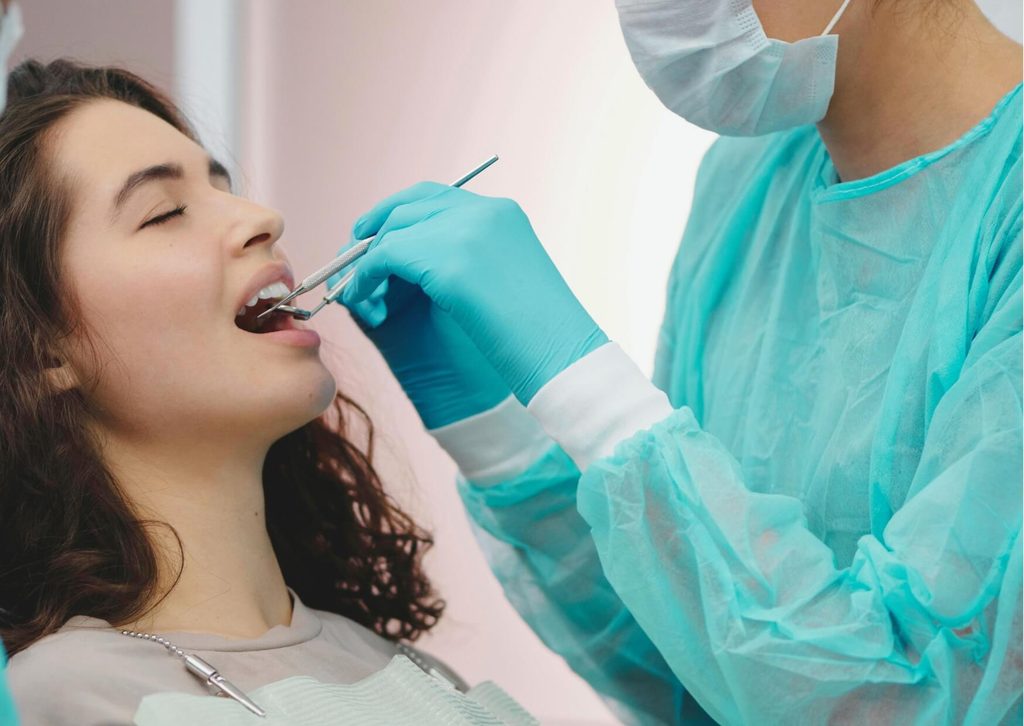
Schedule an evaluation if a tooth is chipped, discolored, uneven, or bothering you, even if it does not hurt. What seems like a simple cosmetic concern can sometimes involve decay, a deeper crack, or bite-related wear.
Contact a dentist promptly if a bonded tooth breaks, feels sharp, feels loose, or develops ongoing sensitivity or pain. Seek urgent care for major facial swelling, uncontrolled bleeding, fever with dental swelling, trouble swallowing or breathing, or a tooth injury with severe pain or displacement.
Patients can compare their options more confidently after an exam and itemized estimate. That helps clarify the expected dental bonding cost and whether bonding is a good value for the tooth involved. Learn more about our approach to dental bonding.
If you’re considering dental bonding, contact AR Smiles in Fairlawn, OH, serving patients from nearby Akron and Bath. Call (330) 835-1000 to schedule an appointment.
Yes, dental bonding is usually priced per tooth, but additional charges may apply for an exam, X-rays, decay treatment, or other needed care. Ask for an itemized estimate so you know exactly what the quoted fee includes.
Bonding usually has a lower initial cost than porcelain veneers. Veneers may resist staining better and last longer in the right cases, so it helps to compare future maintenance and replacement costs as well as the first treatment fee.
Bonding can repair some small chips and fractures. A large break, deep crack, weakened tooth, or damaged nerve may require a different treatment after a clinical exam and, when needed, X-rays.
Whitening products do not lighten composite resin the same way they lighten natural enamel. If you plan to whiten your teeth, talk with a dentist about the timing so the bonding can be matched to your intended final shade.
Bonding may eventually need polishing, repair, or replacement because it can stain, wear down, or chip. Regular dental visits can help catch small changes before a larger repair is needed.