
Menu
- Home
- About Us
- Services
- Dental Savings Plan
- Patient Resources
- Success Stories
- Gallery
- Contact Us
close
Teeth bonding usually costs about $300 to $600 per tooth in the United States, though the final price can be lower or higher.
Your total cost depends on how many teeth need treatment, how much repair is needed, your dentist’s location and experience, and whether insurance helps cover any part of the procedure. For a general national cost range, published estimates can be a useful starting point.
A dentist still needs to examine the tooth before giving an exact estimate. Online price ranges cannot account for decay, bite issues, or other problems that may change the recommended treatment.
At AR Smiles in Fairlawn, OH, we provide dental bonding services and can evaluate whether bonding is the right option for your concern.
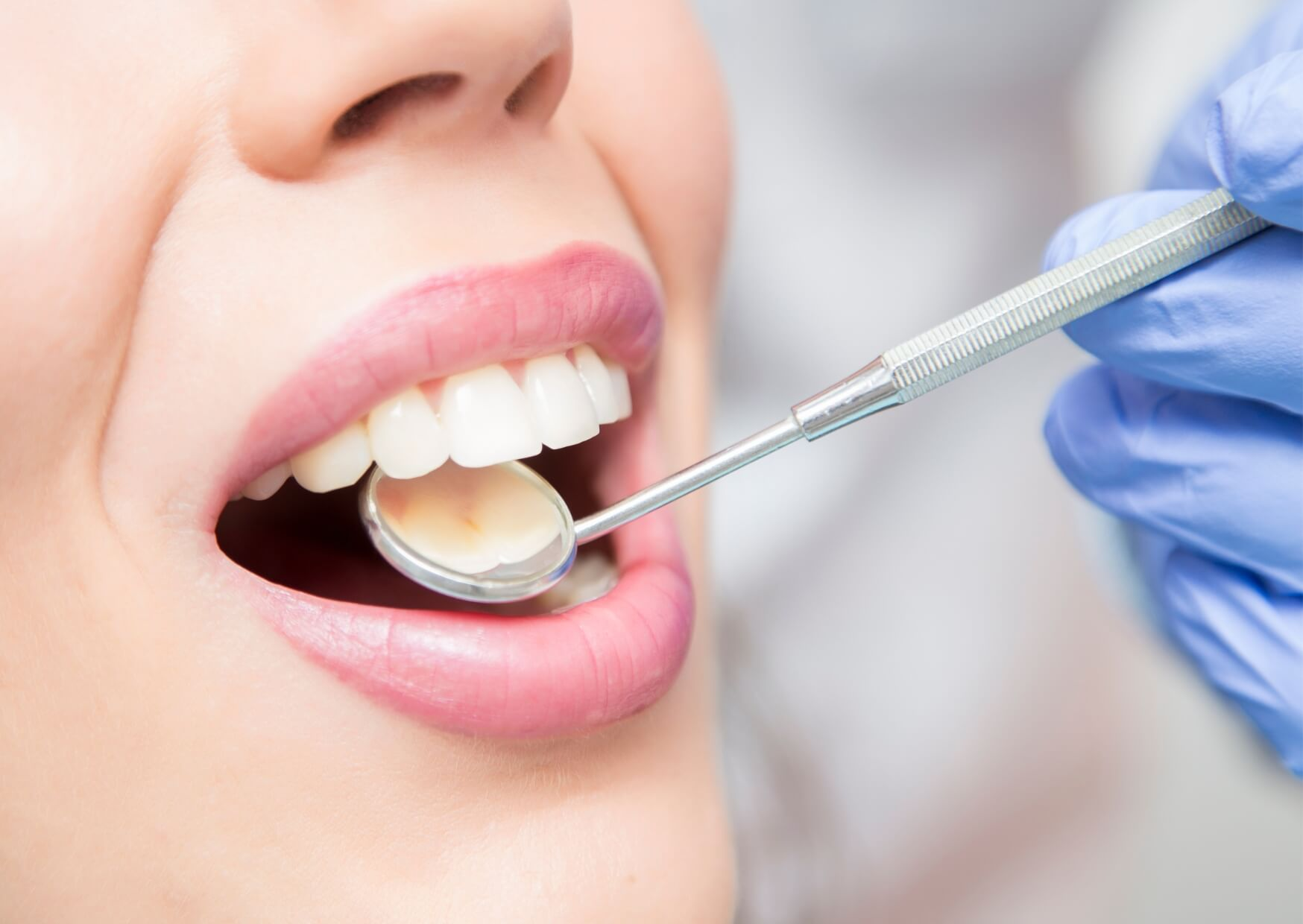
Dental bonding uses tooth-colored composite resin to improve a tooth’s shape, color, or surface. The dentist places the material, shapes it, hardens it with a curing light, and polishes it so it blends with the surrounding tooth.
Bonding may work well for a small chip, a narrow gap, mild discoloration, or an uneven edge. In many cases, it requires little or no removal of healthy enamel and can often be completed in one visit.
Bonding is not the right choice for every tooth. A large fracture, active decay, heavy bite pressure, or a weakened tooth may call for a different restoration, and a consultation about cosmetic dentistry can help you compare options.
Several factors can change the final fee:
When comparing estimates, ask what is included. A lower quoted fee may not include the exam, imaging, reshaping, or follow-up adjustments.
Insurance may help pay for bonding when it restores a tooth damaged by decay, injury, or normal wear. Many plans do not cover bonding done only for cosmetic reasons, such as closing a small gap or improving color.
Coverage rules vary by plan. Deductibles, waiting periods, annual maximums, and network restrictions can all affect your out-of-pocket cost.
Ask the dental office for a written treatment estimate, then confirm benefits with your insurer before treatment. Flexible spending accounts and health savings accounts may also help with eligible dental expenses.
Payment plans or third-party financing may be available. Review interest rates, fees, and repayment terms carefully before you decide.
Bonding usually costs less upfront than porcelain veneers or crowns. It also tends to preserve more natural tooth structure, which can make it a practical choice for small cosmetic changes or minor repairs.
Composite resin is more likely than porcelain to stain, chip, or wear over time. A lower upfront cost does not always mean a lower long-term cost if the bonding needs repair or replacement sooner.
Veneers cover the front surface of a tooth and may offer better stain resistance for some cosmetic concerns. Crowns cover more of the tooth and are generally used when more strength or protection is needed, so these options are not automatically interchangeable with bonding. For a side-by-side comparison, see our article on bonding vs. veneers.
Teeth bonding often lasts several years, but there is no guaranteed lifespan. Bonding durability depends on the size and location of the bonded area, bite forces, oral habits, diet, hygiene, and whether you clench or grind your teeth.
Avoid biting ice, pens, fingernails, hard candy, or packages with bonded teeth. Brushing with fluoride toothpaste, cleaning between teeth daily, and keeping regular dental visits can help protect both the bonding and the tooth underneath.
Coffee, tea, red wine, and tobacco can stain composite resin. Bonding does not whiten the same way natural enamel does, so if you want a brighter smile, ask about professional teeth whitening before bonding visible teeth.
If you clench or grind your teeth, a custom night guard may help protect the bonded area. Ask about nightguards for grinding.
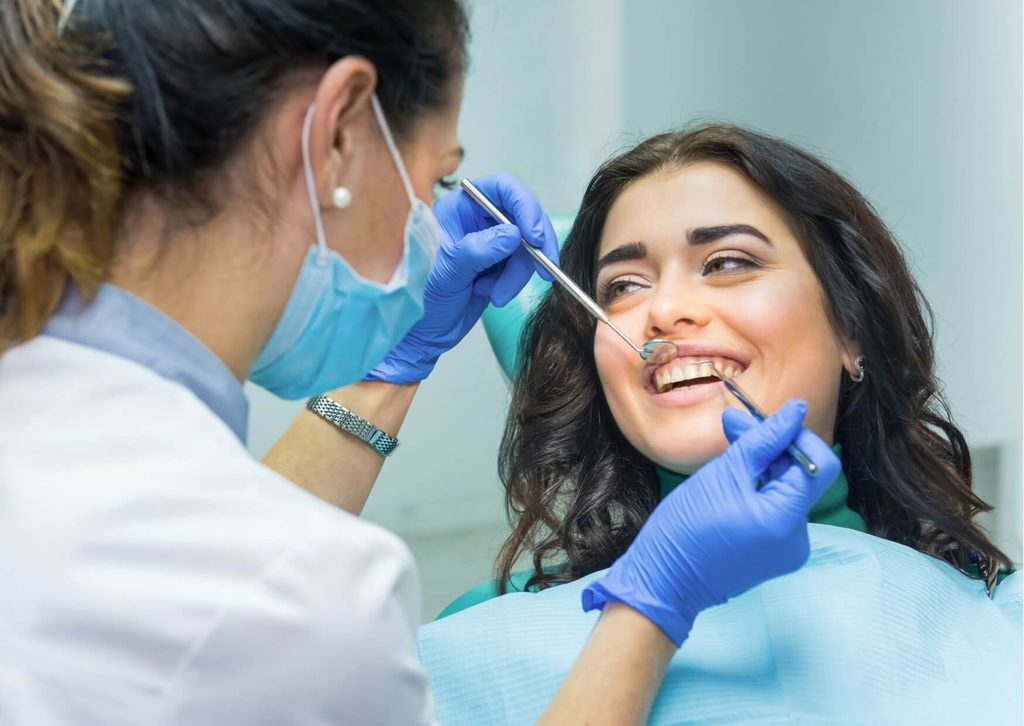
Schedule a dental exam before choosing bonding, especially if the tooth is painful, sensitive, cracked, loose, or affected by decay. Treating the underlying problem first helps prevent a cosmetic repair from covering up a condition that needs different care.
If you are comparing providers, our guide to choosing a cosmetic dentist can help you know what to look for.
Seek prompt dental care if you have worsening pain, facial swelling, fever, drainage, major trauma, or trouble swallowing or breathing. If bonding chips or feels sharp or uneven, avoid chewing hard foods on that side and contact a dentist instead of trying to fix it at home.
For an exact price, ask for an itemized estimate that lists each tooth, the planned procedure, expected insurance contribution, and your estimated balance. A dentist can then explain whether bonding offers the right balance of appearance, strength, longevity, and cost for your needs.
If you think dental bonding may help, AR Smiles in Fairlawn, OH offers bonding evaluations and treatment for patients from nearby Akron and Copley. Call (330) 835-1000 to schedule.
Yes. Bonding is commonly priced per tooth, and the fee can vary from one tooth to another based on how much work is needed.
Bonding is often comfortable, especially when the treatment stays on the tooth’s surface. Local anesthetic may be needed if decay is removed or the repair is close to a sensitive area.
Yes, bonding can often repair a small chip on a front tooth and restore a natural-looking edge. A deep crack, large fracture, bite problem, or nerve injury may require a different treatment.
Whitening products usually do not lighten composite resin the way they lighten natural enamel. If you want whiter teeth, a dentist may recommend whitening first and then matching the bonding to the new shade.
You need a dental exam and treatment plan to get an exact price. Ask for a written estimate that separates exam or imaging fees, bonding charges, insurance estimates, and your expected out-of-pocket cost.