
Menu
- Home
- About Us
- Services
- Dental Savings Plan
- Patient Resources
- Success Stories
- Gallery
- Contact Us
close
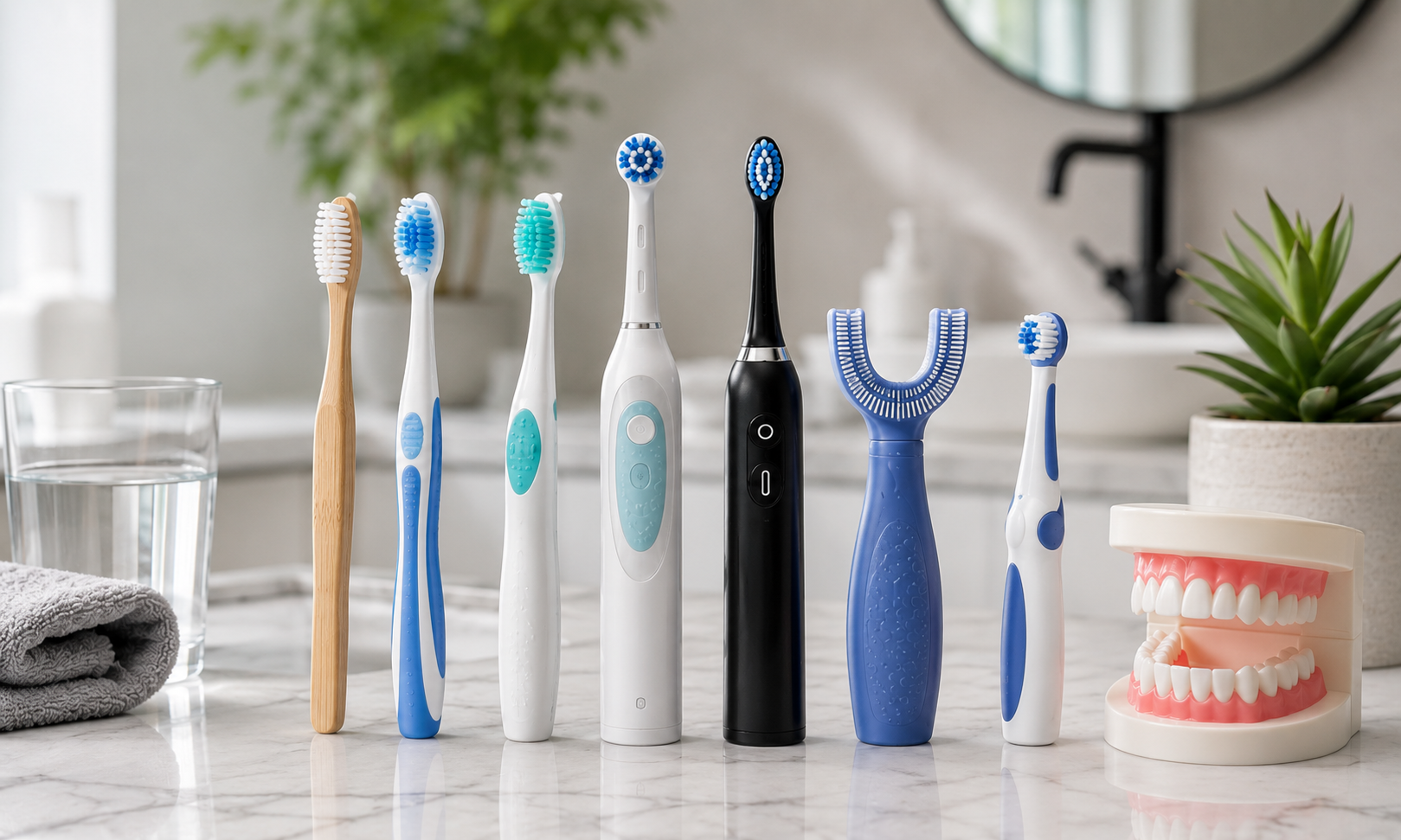
Toothbrushes help remove plaque, bacteria, and food particles from teeth and gum surfaces. Different toothbrush types may support specific oral conditions, brushing habits, and treatment needs. At Arsmiles Family & Cosmetic Dentistry, patients often begin with dental hygiene and exams because toothbrush selection may influence long-term oral hygiene and daily care routines.
What it is:
A toothbrush is an oral hygiene tool designed to remove plaque and reduce bacterial buildup on tooth and gum surfaces.
Who it is for:
Main benefits:
Limitations:
Timeline / durability:
Most toothbrushes may require replacement every 3–4 months, although bristle wear and oral conditions may change replacement timing.
Toothbrushes exist in multiple designs because brushing needs, dexterity levels, and cleaning challenges vary among individuals.
Common toothbrush categories include:
Cause → effect → outcome:
Brush design differences → brushing pattern changes → cleaning effectiveness variations
For example, a person wearing braces may require a different brush shape than a patient with gum recession.
Manual toothbrushes remain widely used because they provide control, accessibility, and multiple bristle options.
Manual toothbrush characteristics may include:
Examples:
Compact brush head → improved access → easier molar cleaning
Soft bristles → reduced gum irritation → improved comfort
Manual toothbrushes may work well when brushing technique remains consistent and thorough.
Electric toothbrushes may improve plaque reduction because oscillating or vibrating movements create repetitive brushing motions.
Electric brush features may include:
Cause → effect → outcome:
Automated movement → consistent brush motion → more consistent surface cleaning
For example, patients with arthritis or limited hand movement sometimes benefit from electric brushes because repetitive movement requires less manual effort.
Patients managing long-term gum concerns sometimes undergo periodontics evaluations because oral hygiene effectiveness may influence tissue health over time.
Soft-bristle toothbrushes commonly receive recommendations because harder bristles may create unnecessary tissue stress.
Soft-bristle advantages may include:
Cause → effect → outcome:
Hard brushing pressure → tissue stress → gumline discomfort
Soft bristles → lower friction → improved tissue comfort
For example, patients with sensitivity or gum recession often tolerate softer bristles more comfortably.
Orthodontic toothbrushes may help patients clean areas surrounding wires and brackets more effectively.
Orthodontic brush features often include:
Examples:
Brackets → food retention → increased cleaning difficulty
Specialized bristles → improved access → easier cleaning around brackets
Patients undergoing alignment treatment sometimes use orthodontic tools alongside Invisalign treatment because cleaning needs may change throughout treatment.
Children's toothbrushes may improve brushing habits because younger patients often benefit from age-specific designs.
Children's toothbrush characteristics may include:
Cause → effect → outcome:
Large brush head → difficult control → inconsistent brushing
Age-appropriate sizing → easier control → greater brushing consistency
For example, a preschool-aged child may struggle with adult toothbrush dimensions because hand coordination continues developing.
Patients beginning oral care routines sometimes receive guidance through pediatric dentistry evaluations because early hygiene habits may support healthier care routines over time.
Toothbrush head size and bristle shape may influence cleaning access because tooth position and mouth size vary among individuals.
Brush design characteristics may include:
Cause → effect → outcome:
Large brush heads → difficult access → reduced cleaning around molars
Compact designs → improved reach → better cleaning access
For example, patients with smaller mouths or crowded teeth sometimes prefer compact brush heads because larger designs may create cleaning challenges near back teeth. Brush shape may influence comfort and cleaning consistency when brushing around gumlines, orthodontic appliances, or narrow spaces.
Toothbrush selection may depend on specific oral conditions rather than preference alone.
Condition-based examples include:
| Condition | Possible Toothbrush Consideration |
| Gum recession | Soft-bristle brush |
| Braces | Orthodontic brush |
| Limited dexterity | Electric brush |
| Sensitive teeth | Soft compact brush |
| Young children | Age-specific brush |
Different conditions may require different cleaning approaches because brushing access and tissue sensitivity can vary.
Toothbrush technique may sometimes influence oral hygiene more than brush style.
Helpful brushing habits may include:
Cause → effect → outcome:
Aggressive brushing → gum irritation → brushing discomfort
Proper technique → effective cleaning → improved plaque removal
For example, a high-quality toothbrush may still provide inconsistent results when brushing pressure becomes excessive.
Soft-bristle toothbrushes often receive recommendations because they may clean effectively while reducing unnecessary gum irritation.
Electric toothbrushes may improve cleaning for some individuals, although brushing consistency and technique also affect outcomes.
Hard bristles sometimes contribute to gum irritation or enamel wear when excessive pressure occurs.
Most toothbrushes may require replacement every three to four months or sooner if bristles become worn.
Children often benefit from age-appropriate designs because brush size and grip influence brushing control.
Braces sometimes create cleaning challenges because brackets and wires increase plaque retention areas.
Toothbrush selection sometimes affects oral hygiene habits through bristle type, brush design, cleaning access, and individual oral conditions. Small daily differences occasionally influence long-term plaque control and gum health patterns.
If you are noticing gum irritation, brushing discomfort, sensitivity, or difficulty cleaning around restorations or orthodontic appliances, a dental evaluation may help identify contributing factors. If this applies to your situation, examining oral habits and brushing techniques may help determine whether changes in oral care tools fit your needs.
Arsmiles Family & Cosmetic Dentistry focuses on personalized care and long-term oral health education. Patients interested in improving brushing routines can request a consultation to evaluate their oral health needs and discuss individualized recommendations.