
Menu
- Home
- About Us
- Services
- Dental Savings Plan
- Patient Resources
- Success Stories
- Gallery
- Contact Us
close
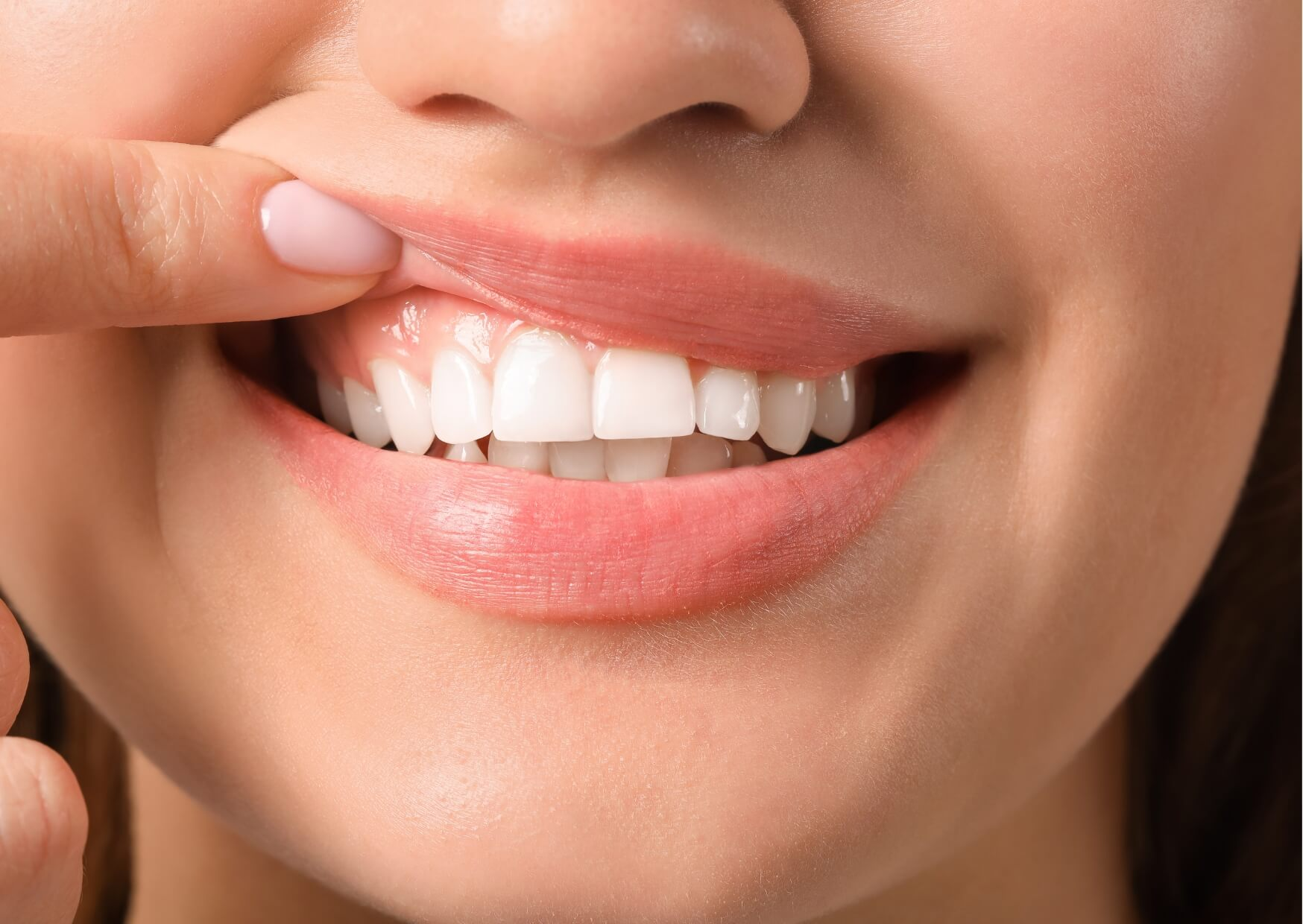
Gum contouring reshapes the gumline to improve appearance, support oral health, or prepare a tooth for treatment. It can help with excess gum tissue, an uneven gumline, or certain restorative needs.
However, a dental exam is needed first to confirm whether it is appropriate and safe. For broader cosmetic changes, it may also be part of a dental makeover.
AR Smiles offers periodontal care in Fairlawn, OH and provides the kind of periodontal evaluation that may help determine whether gum contouring is appropriate.
One common reason for gum contouring is a "gummy smile," where the gums cover more of the teeth than expected. This can be related to genetics, altered tooth eruption, certain medications, inflammation, or the position of the upper lip and jaw.
Gum contouring can also smooth an uneven gumline or expose more of a tooth before a crown or other restoration. When the goal is to uncover more tooth structure for treatment, it may be called crown lengthening and can involve reshaping bone as well as gum tissue.
Gum recession is different and usually needs a different treatment. Removing more tissue will not usually fix receding gums, and some patients may instead need monitoring, changes in brushing habits, periodontal treatment, or gum grafting to restore lost tissue and protect tooth roots.
If roots are already showing, see our guide on exposed roots for more information.
Before treatment, the dentist examines the teeth, gums, bite, and supporting bone. This helps identify gum disease, thin tissue, decay, or other concerns that could affect healing or make another treatment a better fit.
The area is usually numbed with local anesthetic. The dentist then reshapes the gum tissue using laser dentistry, electrosurgery, or traditional surgical instruments, depending on the clinical situation.
Only a limited amount of tissue can be safely removed. Enough healthy gum must remain to protect the roots and support a stable result, so the final gumline is based on anatomy and long-term health, not appearance alone.
Mild tenderness, swelling, and light bleeding can happen during the first few days. Healing time depends on how much tissue was treated and whether bone was also reshaped.
Many patients are told to eat soft foods for a short time, clean the area gently, and avoid smoking or vaping while healing. Follow your dentist’s instructions for brushing, rinsing, activity, and over-the-counter pain relief, since recovery needs can vary.
Call the dental office if pain or swelling gets worse instead of better, bleeding does not stop with gentle pressure, or the area develops pus, a bad taste, or increasing redness. Seek urgent medical care for trouble breathing or swallowing, rapidly spreading facial swelling, or heavy uncontrolled bleeding.

Gum contouring can create a more even gumline, show more natural tooth surface, or improve access for restorative treatment. Results can be long-lasting when the procedure is carefully planned and the gums stay healthy.
Possible risks include bleeding, infection, sensitivity, uneven healing, gum recession, or tissue regrowth in some cases. Removing too much tissue can expose roots and increase sensitivity, which is one reason do-it-yourself gum alteration is unsafe.
Gum contouring cannot fix every cause of a gummy or uneven smile. If the cause is lip movement, jaw position, short or worn teeth, active gum disease, or medication-related gum enlargement, your dentist may recommend other options or coordinate care with a periodontics specialist.
Active infection and inflammation usually need to be treated first. Your dentist may recommend periodontal treatment before cosmetic procedures. Patients focused on appearance may also combine contouring with veneers or other services through cosmetic dentistry.
Consider an evaluation if excess or uneven gum tissue affects your smile, makes teeth harder to clean, or interferes with a filling or crown. Bleeding, ongoing swelling, tenderness, loose teeth, recession, or bad breath should also be checked because they may point to gum disease rather than a cosmetic issue alone.
A consultation can explain the cause, how much change is realistic, expected healing time, costs, insurance coverage, and alternatives. Patients in Fairlawn, Akron, Bath, and Copley can use that visit to make an informed decision based on both appearance and long-term gum health.
To schedule a periodontal evaluation at AR Smiles in Fairlawn, OH, serving patients from nearby Akron and Bath, call (330) 835-1000.
Local anesthetic is usually used to numb the area, so most patients feel pressure or movement rather than sharp pain during the procedure. Mild soreness afterward is common, but severe or increasing pain should be reported to the dentist.
Results are often long-lasting because removed gum tissue does not usually return to its previous shape. Regrowth can happen in some cases, especially if the underlying cause of gum enlargement is still present.
Minor reshaping may feel much better within a few days, but the gumline can take several weeks to fully settle. Procedures involving larger areas or bone usually take longer to heal.
Coverage depends on why the treatment is being done and on the details of the insurance plan. If it is needed for gum health or restorative treatment, some benefits may apply, while purely cosmetic treatment is often not covered.
Gum contouring alone is not a standard treatment for gum disease. Infection and inflammation usually need to be controlled first, although some periodontal procedures may include tissue reshaping as part of a larger treatment plan.