
Menu
- Home
- About Us
- Services
- Dental Savings Plan
- Patient Resources
- Success Stories
- Gallery
- Contact Us
close
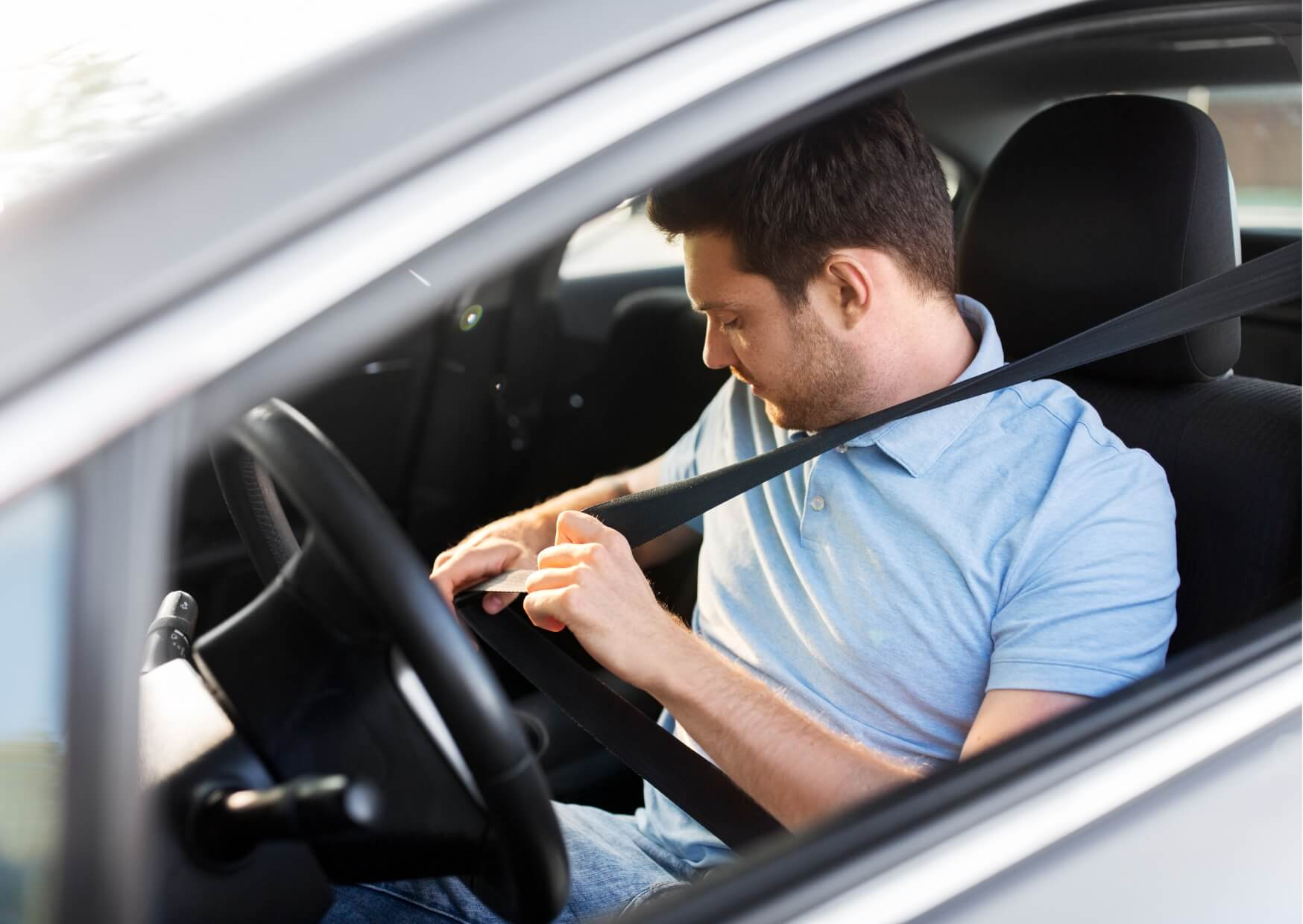
Most patients can drive after root canal treatment if the visit involves only local anesthesia, which is the numbing injection used to block pain in one area.
The main issue is not the root canal itself. What matters most is whether you had sedation, how much discomfort you feel, and whether numbness, stress, or fatigue makes driving feel unsafe.
AR Smiles provides root canal treatment in Fairlawn, OH and offers the gentle, patient-centered care described here.
A routine root canal usually does not affect vision, coordination, or judgment when only local numbing is used. Many patients leave the office and return to normal daily activities the same day.
Driving is usually reasonable if you feel alert, can think clearly, and are not distracted by pain. Mild lip or cheek numbness alone does not usually prevent driving, though it can make eating and drinking awkward until feeling returns.
If the procedure was long or stressful, give yourself a few minutes before getting on the road. A short wait in the office or parking lot may help you decide whether you feel steady and focused.
Do not plan to drive yourself if the visit involves oral sedation or nitrous oxide, especially if your dental team tells you to arrange a ride. Sedating medications can affect reaction time, judgment, and coordination even if you feel mostly awake.
If you expect to need help staying calm, learn about our sedation dentistry options and plan transportation ahead of time. It is always safer to decide this before the appointment than after treatment.
You also should not drive if you feel dizzy, shaky, lightheaded, or unusually tired. Some patients feel drained after a long visit, especially if they were already in pain before treatment.
A ride home is the safer choice if facial numbness feels extensive, anxiety stays high, or you are having trouble concentrating. If the dental office tells you not to drive, follow that instruction even if you feel capable.
Several factors can affect how easy it is to drive afterward. The most important are the type of anesthesia used, the severity of infection or inflammation, and how your body responds to the appointment.
A tooth with a deep infection or painful abscess may leave the surrounding tissues sore even after treatment. Inflammation means the tissues are irritated and sensitive, so aching can develop as the numbness wears off.
Jaw stiffness can also happen if your mouth stays open for a long time. That does not usually make driving dangerous, but it can add to fatigue and make the visit feel more draining.
If a temporary crown or filling was placed, your bite may feel different until the numbness fades. That is common, but if the tooth feels dramatically high or painful when you bite down, contact the dentist.
It is common to have some soreness for a few days after a root canal. The tooth and nearby gum may feel tender, especially when chewing.
That tenderness does not mean the treatment failed. In many cases, the discomfort comes from irritated tissues around the root rather than from the inside of the tooth, which has already been cleaned and sealed.
Call the dental office if pain is getting worse or swelling develops. If you notice fever, spreading facial swelling, or trouble swallowing, seek prompt emergency care and contact our office for emergency dentistry services.
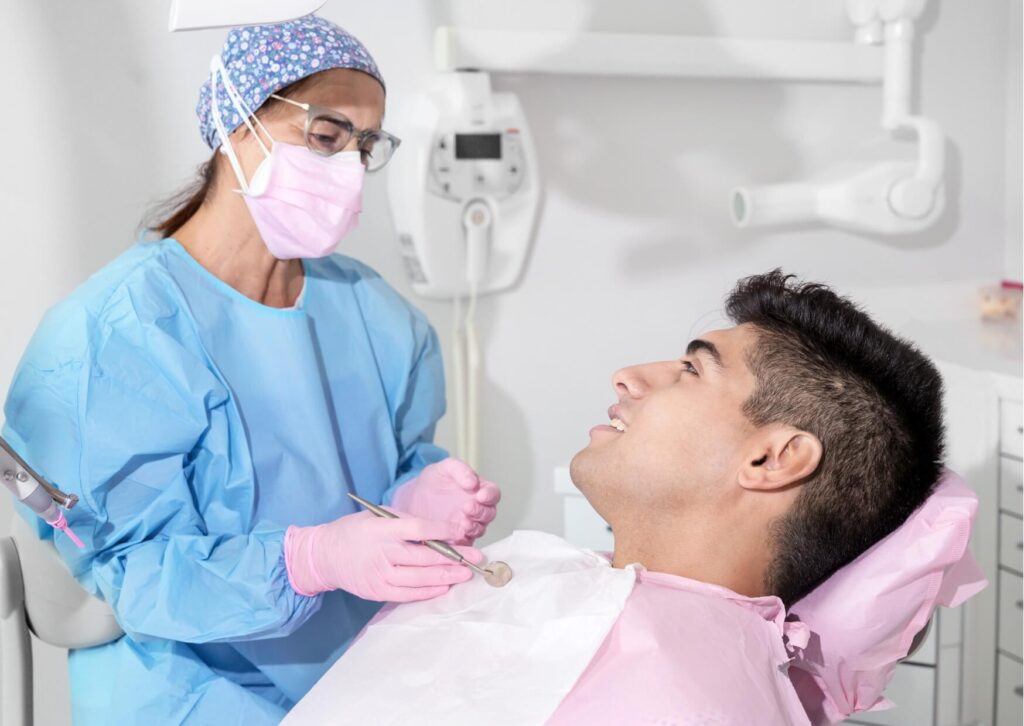
Before driving, take a minute to check how you feel. Make sure you can stand comfortably, walk normally, and focus without feeling faint or foggy.
If you were tense during the procedure, sit for a few extra minutes before leaving. Many patients feel better after drinking water, resting briefly, and letting the stress settle.
It is also smart to ask the dental team what was used during the appointment. If any sedating medication was involved, arrange a ride instead of making a last-minute judgment call.
If you are not sure whether you can drive after a root canal, ask before the day of treatment. This is especially important if the office may use sedation or if you have a history of dental anxiety.
It is easier to arrange a backup ride ahead of time than to decide at the last minute while numb, tired, or uncomfortable. This matters even more if your drive home includes traffic, highways, or a longer commute.
Patients who already have extreme tooth pain before treatment may feel relief afterward, but they may also feel worn out. Having a transportation backup is a practical choice.
A root canal should usually lead to gradual improvement, not a steady decline. If symptoms become more intense over the next several days, a follow-up may be needed.
Reach out if you cannot get the tooth comfortable enough to function, if swelling appears, or if your bite feels very uneven once the numbness is gone. Ongoing uncertainty is also a good reason to call, especially if the original tooth pain was severe or the diagnosis was complex.
If you are deciding whether to drive after treatment and something feels off, do not force it. A quick call to the dental office can help you confirm what is normal and whether your recovery sounds routine.
For root canal treatment in Fairlawn or nearby Akron, call AR Smiles at (330) 835-1000 to schedule an appointment.
Usually, yes. If only local anesthesia was used and you feel alert, steady, and comfortable, many patients can drive themselves home safely.
Usually not. Sedation can affect reaction time and judgment, so you should arrange for someone else to drive.
Numbness often lasts a few hours, but the exact timing varies. The tooth, lip, cheek, or tongue may stay numb longer depending on the injection site and the anesthetic used.
Yes, some fatigue is common, especially after a long or stressful visit. If tiredness is strong enough to affect focus or coordination, avoid driving.
Call if pain is worsening, swelling develops, fever appears, or your bite feels very uneven after the numbness fades. Those symptoms may need a professional review.