
Menu
- Home
- About Us
- Services
- Dental Savings Plan
- Patient Resources
- Success Stories
- Gallery
- Contact Us
close
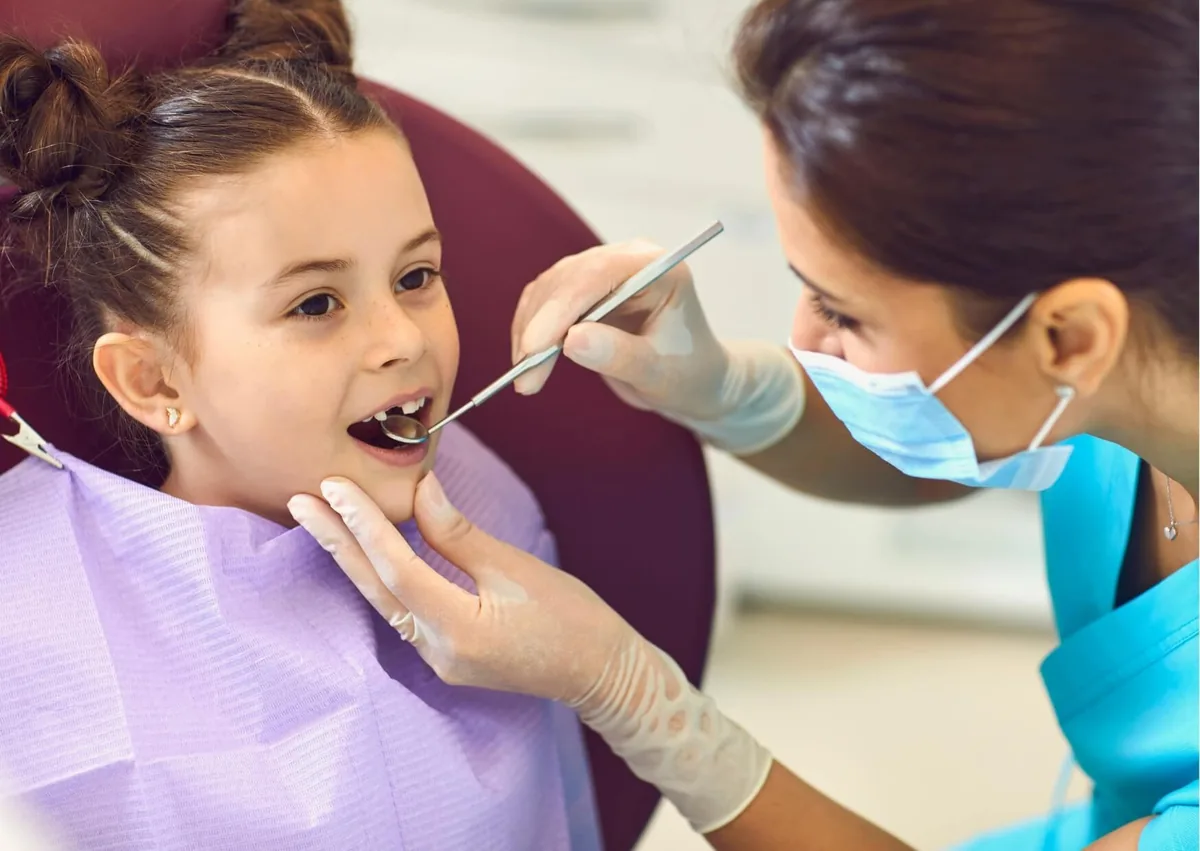
If a child loses a baby tooth too early, nearby teeth can start drifting into the open space. A dental spacer for kids helps hold that space so the adult tooth has a better chance to come in normally.
Dentists often call this a space maintainer. It does not create new space. It helps preserve the space that is already there.
At AR Smiles in Fairlawn, our pediatric dentistry team provides the kind of space-maintaining care many parents ask about for children.
Baby teeth do more than help with chewing and speech. They also guide permanent teeth into place, especially in the back of the mouth where shifting can happen quickly.
A spacer may be recommended when a baby tooth is lost much earlier than expected because of decay, infection, trauma, or a difficult extraction. Talk to your dentist about ways to reduce decay, such as preventing cavities. If a tooth was removed because of decay or infection, parents may also discuss next steps, including tooth extractions.
Not every child needs a spacer after early tooth loss. The decision depends on the child’s age, which tooth was lost, how much room remains, and how close the permanent tooth is to erupting, or breaking through the gums. Pediatric dentists often follow space maintenance guidelines when deciding whether a child is likely to benefit.
Most children who need one get a fixed space maintainer. This is usually a small metal band attached to a nearby tooth with a loop or wire that keeps the gap open.
In some cases, a removable spacer may be used. That is less common in younger children because it depends on wearing it consistently and not losing it.
The exact design depends on where the missing tooth is and whether more than one tooth was lost. The dentist chooses the type based on function, comfort, and how the permanent tooth is developing.
The process is usually simple. The dentist examines the area, may take X-rays to check the developing permanent tooth, and then decides whether space maintenance is actually needed.
Many parents first bring children in for this kind of evaluation through pediatric dentistry. Our team can explain whether monitoring alone is enough or whether a spacer would help.
Some spacers are made from an impression or digital scan. At a later visit, the appliance is fitted and cemented into place if it is a fixed type.
Placement is usually brief and well tolerated. Mild pressure is common at first, but it should not cause ongoing pain.
For the first few days, the spacer may feel strange against the tongue or cheek. Speech may sound slightly different at first, and chewing can feel awkward until the mouth adjusts.
A spacer should not cause strong or lasting pain. If there is persistent soreness, swelling, bleeding, or trouble eating after the first few days, the appliance may need an adjustment.
Many children adapt faster than parents expect. The biggest challenge is often remembering not to pick at it with fingers or the tongue.
A spacer usually stays in place until the permanent tooth underneath is ready to come in. That may be several months or, in some cases, longer.
The dentist monitors the area at routine visits, and X-rays may be used to track eruption. Once the permanent tooth starts coming in in a useful position, the spacer can often be removed.
Timing matters. If a spacer stays in too long or is not checked regularly, it can interfere with eruption instead of helping.
Children can usually eat normally after a short adjustment period. Sticky foods and very hard foods are the most likely to loosen or bend the appliance.
Chewy candy, gum, and ice are common problems. Cutting crunchy foods into smaller pieces can also help.
Brushing around the appliance is important because plaque can collect near the band and gumline. Plaque accumulation around space maintainers has been associated with a higher risk of gum irritation and decay when cleaning is not consistent.
Parents should also watch for food trapping around the spacer. A quick look after meals and steady brushing habits can make a real difference.
Call the dental office if the spacer becomes loose, bent, broken, or starts rubbing the gums. A loose appliance can stop doing its job and may irritate nearby tissue.
A child should also be seen if there is swelling, persistent pain, or trouble chewing. These signs may point to irritation, decay around the supporting tooth, or a problem with the erupting permanent tooth.
If a spacer comes out completely, keep it if possible and contact the office soon. Waiting too long can allow nearby teeth to shift, especially in younger children.
No. Some children do not need a spacer at all.
If the permanent tooth is close to erupting, or if the lost baby tooth was in a spot where space is less likely to close, a spacer may not add much benefit. This is why an exam matters.
The same missing tooth can lead to different recommendations in different children, depending on age, crowding, bite pattern, and X-ray findings. If spacing or future alignment is a concern, the family may later consider orthodontics as part of long-term planning, including clear aligner orthodontics.
The goal is not to place an appliance automatically. The goal is to protect normal development when there is a real risk of space loss.
Follow-up visits are usually quick. The dentist checks whether the spacer is still secure, whether the gums look healthy, and whether the permanent tooth is moving into position.
These visits are part of routine dental check-ups. X-rays may be repeated when needed, especially if the eruption seems delayed or the child has crowding.
Routine professional checks and cleanings support overall oral health and make it easier to spot problems early. Learn more about our dental exams and professional dental cleaning.
If a child has lost more than one baby tooth early, follow-up becomes even more important. Tooth movement can be gradual and easy to miss at home.
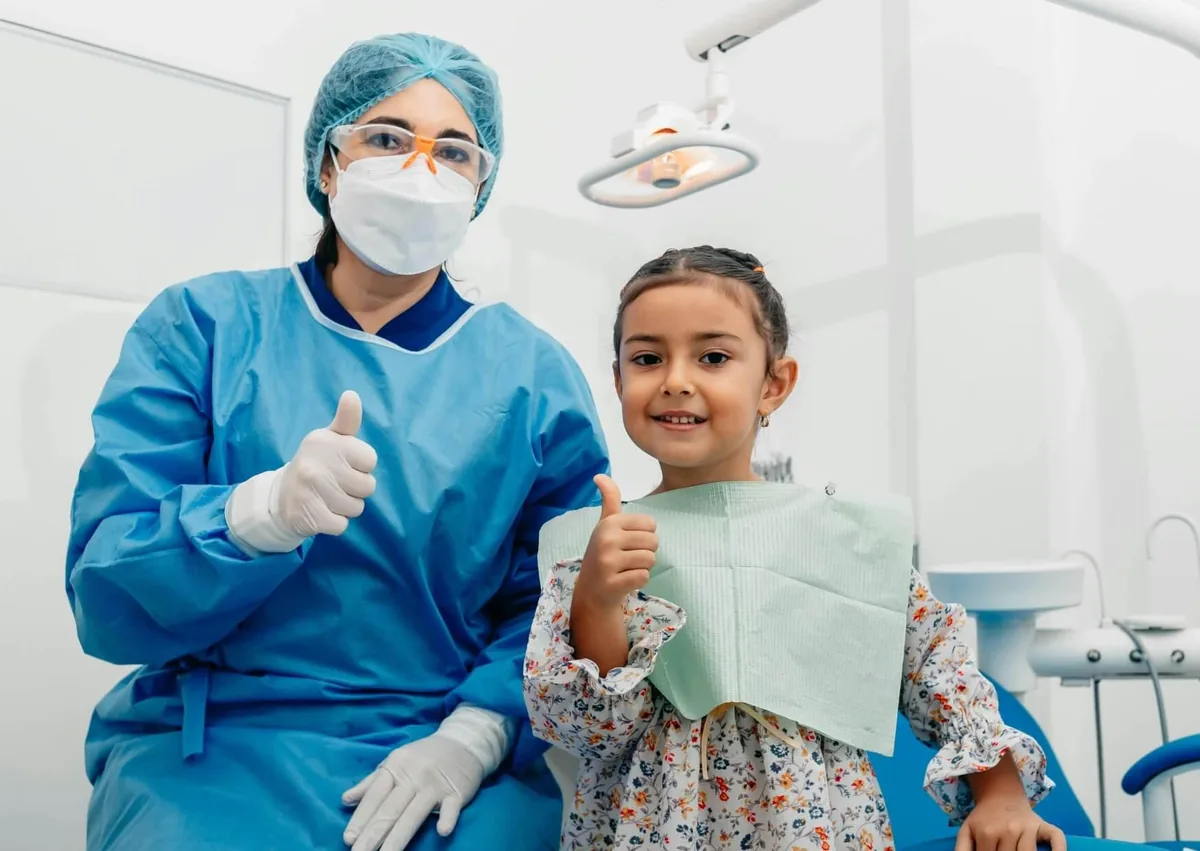
Schedule a dental visit if a child loses a baby tooth much earlier than expected, especially a back tooth. It is also worth calling if a tooth was removed because of decay or infection and no one has discussed whether space maintenance is needed.
A prompt evaluation is also important if there is pain, swelling, a bad taste, fever, or a loose spacer. These are not signs to monitor casually.
If you are unsure whether a missing baby tooth needs treatment, that is exactly the kind of question a dentist sees every day. A short exam can clarify whether simple monitoring is enough or whether a spacer would help protect the way the permanent teeth come in.
AR Smiles in Fairlawn offers pediatric dentistry for children and families in Fairlawn and nearby Akron and Bath. Call us at (330) 835-1000 to schedule a visit.
They may feel unusual for a few days, but they should not cause ongoing pain. Persistent discomfort, swelling, or sores should be checked by a dentist.
It depends on when the permanent tooth is expected to erupt. Many stay in place for months, and some remain longer with routine monitoring.
Usually yes, after a short adjustment period. Sticky and very hard foods are the most likely to damage or loosen the appliance.
Contact the dental office soon. If too much time passes, nearby teeth may begin shifting into the space.
No. A spacer for kids is usually used to hold space after early baby tooth loss. Braces move teeth, while a spacer mainly helps prevent unwanted movement.