
Menu
- Home
- About Us
- Services
- Dental Savings Plan
- Patient Resources
- Success Stories
- Gallery
- Contact Us
close
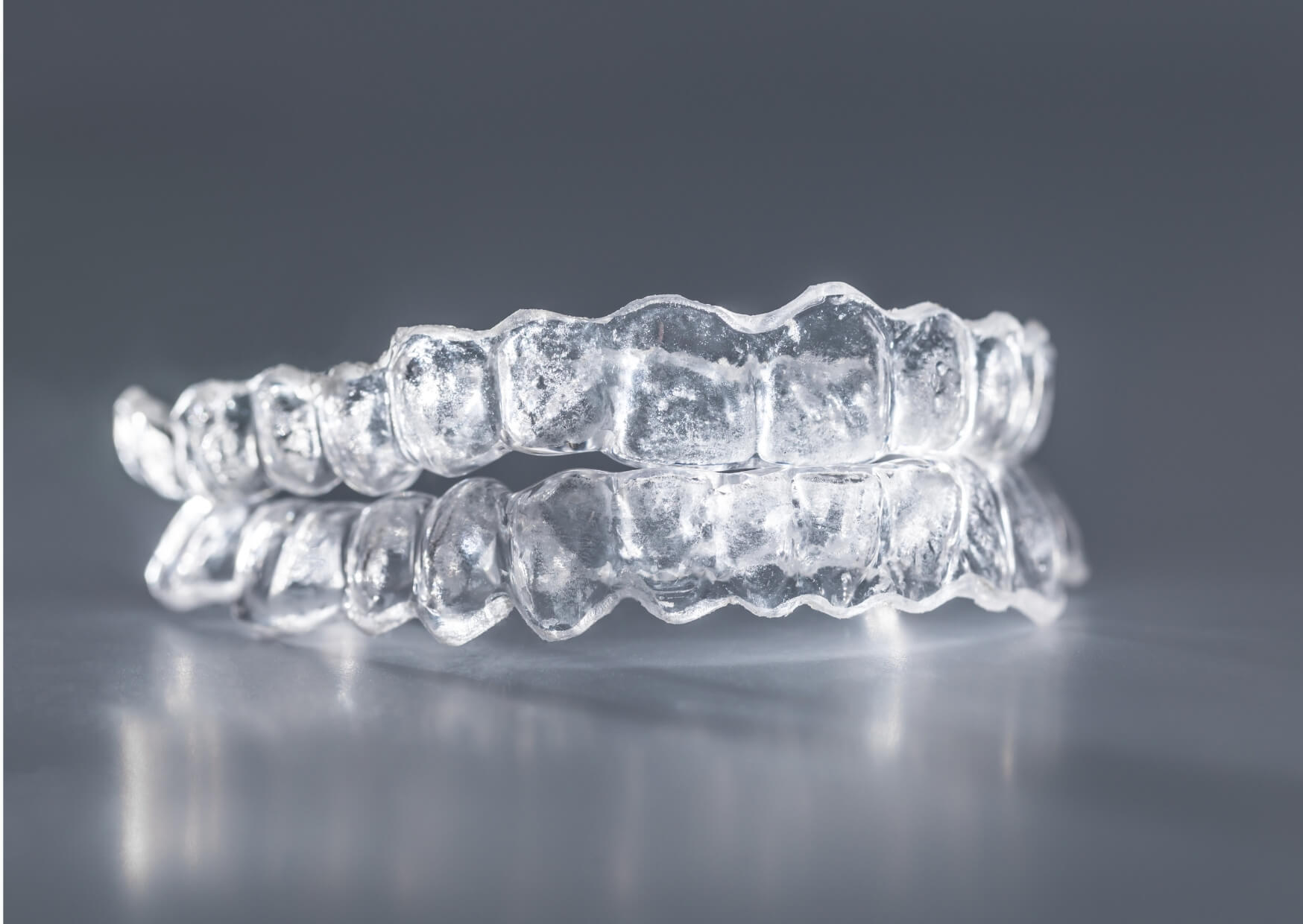
If your teeth feel sore in the morning, your jaw feels tight, or someone hears you grinding at night, a nightguard may help protect your teeth. Nightguards for teeth are removable appliances worn during sleep to reduce the effects of clenching and grinding, also called bruxism. For evaluation and custom appliances, see our bruxism treatment.
A nightguard does not fix every cause of jaw pain or tooth wear. Cracked teeth, bite problems, gum disease, sleep apnea treatment, and temporomandibular joint problems can overlap, so a dental evaluation matters.
At AR Smiles in Fairlawn, OH, we provide bruxism treatment to evaluate teeth grinding and offer custom nightguards.
A nightguard creates a barrier between the upper and lower teeth while you sleep. That barrier can reduce enamel wear, lower the risk of chips and fractures, and sometimes ease muscle strain from repeated clenching.
Some guards mainly protect the teeth from damage. Others are designed to spread biting forces more evenly, which may reduce pressure on certain teeth or jaw muscles.
A nightguard is not the same as a retainer, even if they look similar. Retainers are usually meant to hold teeth in position after orthodontic treatment, while a custom nightguard is made to handle nighttime biting forces.
Common signs include flattened teeth, small edge chips, tooth sensitivity without a clear cavity, and morning jaw fatigue. Some people also notice tension headaches, cheek biting, or teeth that feel sore when they wake up.
If cold triggers your pain, read our tooth sensitivity to cold article.
Grinding during sleep is not always obvious. In many cases, a dentist first notices wear facets, which are smooth, flat spots caused by repeated tooth-to-tooth contact.
Symptoms can vary from person to person. Some people clench more than they grind, and clenching can create heavy pressure even when there is little or no noise.
Jaw pain does not always come from bruxism. Sinus pressure, an infected tooth, gum inflammation, TMD treatment, and sleep apnea can cause similar symptoms.
That is why persistent pain, swelling, limited mouth opening, or a sudden change in your bite should not be brushed off as simple grinding. Extreme tooth pain or facial swelling needs prompt dental attention.
There are two main categories: over-the-counter guards and custom-made guards from a dental office. The right choice depends on how often symptoms happen, how well the guard fits, and whether your teeth or jaw already show damage.
Store-bought guards are usually one-size-fits-most or boil-and-bite designs. They cost less upfront, but they may feel bulky, fit unevenly, or shift during sleep.
For mild, occasional clenching, some people find them acceptable for short-term use. They are usually best seen as a temporary option rather than a long-term solution, especially if symptoms are frequent or your bite already feels off.
A custom guard is made from an impression or digital scan of your teeth. It is shaped to fit more precisely, which usually improves comfort, retention, and how forces are spread across the mouth.
Custom appliances can also be adjusted if the fit changes or if certain teeth are taking too much pressure. Custom nightguards usually offer the best fit and protection for ongoing grinding or clenching.
| Option | Best For | Advantages | Limitations |
| Over-the-counter guard | Short-term trial, mild occasional symptoms | Lower cost, easy to buy | Bulkier fit, less precise, may wear out faster |
| Custom dental nightguard | Frequent grinding, tooth wear, jaw symptoms | Better fit, more durable, professionally evaluated | Higher upfront cost, requires a dental visit |
A dentist usually looks at the pattern of tooth wear, existing fillings or crowns, gum health, jaw joint symptoms, and whether the bite is stable. The goal is not just to hand out a guard, but to understand what your mouth is dealing with each night.
Soft guards may be used in some cases, while firmer materials are often chosen when clenching forces are heavier or durability matters more. The design may also differ if the main concern is muscle tension, fracture risk, or protection of dental work such as veneers, implants, or crowns.
If symptoms suggest snoring, repeated waking, or another sleep-related breathing problem, a nightguard alone may not be enough. In some cases, sleep apnea and tooth grinding can happen together, and that can change the safest treatment plan.
Mayo Clinic notes a sleep disorder link with bruxism, which is one reason a full evaluation matters.
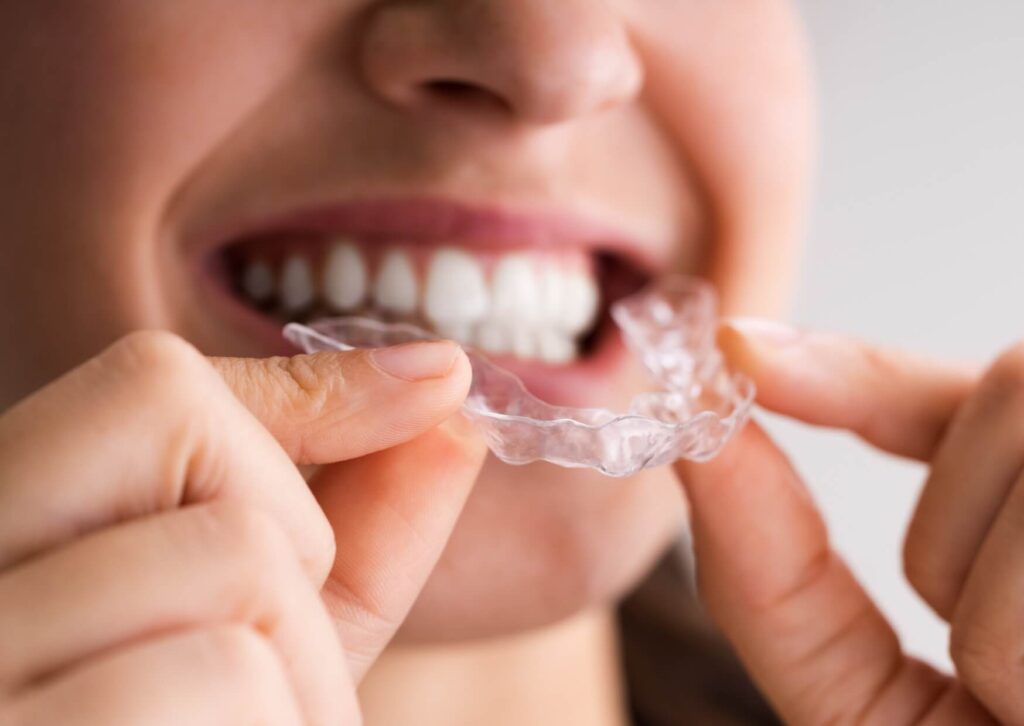
Most patients need a short adjustment period. The guard may feel noticeable for the first few nights, and mild extra saliva is common at first.
A well-fitted guard should not feel painfully tight, rock on the teeth, or make your bite feel dramatically wrong the next morning. If it does, it should be checked rather than forced.
Some people expect immediate jaw pain relief. That can happen, but improvement is often gradual because irritated muscles and joints may need time to settle.
Rinse the guard after use and clean it as directed by your dental office or the product instructions. Regular cleaning matters because saliva, plaque, and bacteria can build up on the surface.
Store it in a ventilated case and keep it away from heat, which can warp the material. Bring it to dental checkups so the fit and wear pattern can be reviewed.
If the guard develops cracks, rough edges, a persistent odor, or no longer fits well, it should be reassessed. A damaged nightguard may stop protecting your teeth properly.
A nightguard can protect teeth, but it cannot treat every source of oral pain. If you have broken tooth structure, gum swelling, exposed roots, locking of the jaw, ear-area pain, or headaches that keep getting worse, you may need a broader dental or medical evaluation.
Urgent care is especially important if there is facial swelling, fever, trauma, uncontrolled bleeding, or pain that interferes with eating or sleeping. Those signs may point to infection, fracture, or another condition that should not wait.
General guidance on urgent dental care also supports prompt evaluation for severe pain and swelling.
If grinding is suspected but the reason is unclear, a dentist can help sort out whether the problem is mainly tooth wear, muscle overuse, bite stress, or a separate diagnosis. That is often the fastest way to choose the right protection and avoid more damage over time. If teeth are already damaged, treatment can help fix grinded teeth.
If you're dealing with nightly grinding or jaw pain, AR Smiles in Fairlawn, OH offers bruxism treatment and custom nightguards for patients from Akron and Copley; call (330) 835-1000 to schedule.
You may benefit from a nightguard for teeth if you frequently wake up with jaw pain, headaches, tooth sensitivity, or notice worn, chipped, or cracked teeth. A dentist can confirm whether teeth grinding or clenching is causing these symptoms.
A nightguard for teeth does not stop the grinding habit itself, but it helps protect your teeth by creating a barrier between the upper and lower teeth. This can reduce wear, fractures, and strain on the jaw muscles.
Over-the-counter nightguards may provide temporary protection, but a custom-made nightguard is designed to fit your teeth precisely. A better fit is generally more comfortable and can provide more effective protection over the long term.
The lifespan of a nightguard depends on the material, how often it is worn, and the severity of grinding. Many custom nightguards last several years with proper care, while heavy grinders may need replacements sooner.
If jaw pain is caused by nighttime grinding or clenching, a nightguard may help reduce pressure on the teeth and jaw muscles, which can improve comfort. A dental evaluation is important to confirm that bruxism is the underlying cause.