
Menu
- Home
- About Us
- Services
- Dental Savings Plan
- Patient Resources
- Success Stories
- Gallery
- Contact Us
close
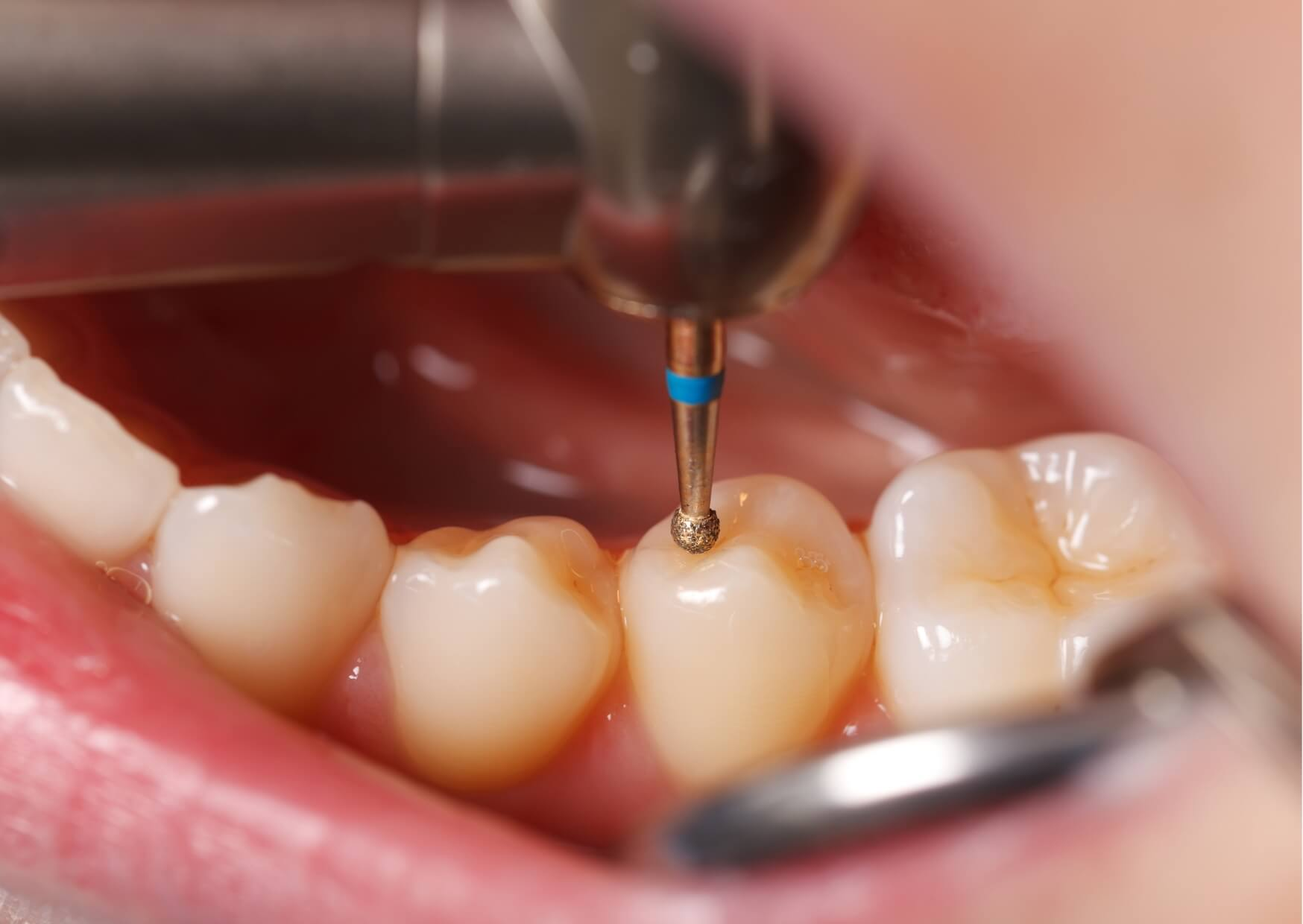
If you need a cavity treated, the short answer is this: most tooth fillings take about 20 to 60 minutes per tooth. The full visit may take longer if you need X-rays, time for numbing, or treatment on more than one tooth. If you're not sure how to spot a cavity, that guide can help.
A small filling on an easy-to-reach tooth is often quick. A larger cavity, a back molar, or a filling that replaces older dental work may take more time.
AR Smiles in Fairlawn, OH provides tooth-colored fillings for cavity repair and conservative restorative care if this is the kind of treatment you’re considering.
Several factors can change how long a filling takes. It is not just about the cavity itself.
The dentist also considers the tooth location, the filling material, and how much preparation is needed. Even a routine filling involves removing decay, cleaning the area, and shaping the restoration carefully.
A small cavity in enamel, the hard outer layer of the tooth, is usually faster to treat than a deeper cavity. If decay is closer to the nerve, the dentist may need to work more carefully to protect the tooth.
Pain does not always match the size of the cavity. That is one reason exams and X-rays matter, and why routine dental check-ups can help catch decay earlier.
Front teeth are usually easier to reach. Back teeth, especially molars, often take longer because they are harder to access and have grooves that need careful shaping.
A filling between teeth may also take longer than one on a smooth outer surface. The dentist needs to rebuild the contact point so food does not trap there later.
Tooth-colored fillings are common and are usually completed in one visit. This material is placed in layers and hardened with a curing light, which can add a little time.
Other materials may involve different placement steps. Your dentist may recommend a material based on cavity size, bite pressure, visibility, and moisture control. You can also learn more about composite fillings if you want details on this option.
If the cavity is small and shallow, some fillings can be done with little or no numbing. If the area is sensitive or the decay is deeper, local anesthetic is often used to keep you comfortable.
The injection itself is quick, but the numbness may take several minutes to fully set in. That waiting time is part of the appointment.
Replacing a worn, leaking, or broken filling may take longer than placing a first-time filling. The dentist has to remove the old material, check for new decay underneath, and rebuild the tooth carefully.
If the remaining tooth is weak, a larger restoration may be safer than another standard filling.

Knowing the steps can make the visit feel more predictable. Most filling appointments follow a similar process.
First, the dentist examines the tooth and may review X-rays. This helps confirm how far the decay extends and whether a filling is still the right treatment. You can learn more about routine checks in our dental exams information.
Next, the area is isolated and kept as dry as possible. If local anesthetic is needed, it is usually given early so it has time to work.
Then the decayed tooth structure is removed and the area is cleaned. The filling material is placed, shaped, and polished to match the tooth.
At the end, the dentist checks your bite. A filling that feels high when you bite down can cause soreness, pressure, or sensitivity afterward.
Even if the filling itself is quick, your mouth may stay numb for a while. In many cases, numbness lasts a few hours, though the timing varies by the area treated and the anesthetic used.
It is common to have mild sensitivity to cold, pressure, or sweets for a short time after a filling. This is more common after deeper fillings and often improves as the tooth settles.
If discomfort gets worse instead of better, or if your bite still feels off after a day or two, contact the dental office. A simple adjustment may help, but persistent pain should be checked.
Not every cavity can be treated with a quick filling. Sometimes the dentist starts with that plan but finds a more complex problem after the decay is removed.
If the cavity is very deep, the tooth may need extra protection before the final filling is placed. In some cases, a filling is no longer the best option because too much tooth structure has been lost.
A cracked tooth, decay below the gumline, or signs of nerve inflammation can also change the treatment plan. That can mean the tooth has inflamed or infected pulp, which may require more than a standard filling.
When that happens, the appointment may take longer or need to be rescheduled for a different procedure. That may include a crown, which covers and protects the tooth, or root canal treatment if the pulp is infected or cannot recover. For cases that need a full crown, our same-day crowns can restore teeth efficiently in one visit.
For one routine filling, it is reasonable to plan for about an hour at the office. Some visits are shorter, but it helps to leave a little extra room in your schedule.
If more than one tooth is being treated, ask the office what to expect before your visit. Many practices can give you a realistic estimate based on how many fillings you need and which teeth are involved.
If you have dental anxiety, mention that when booking. A calm, well-paced visit often feels easier, and the team may be able to schedule extra time if needed.
A routine cavity does not always cause dramatic symptoms, but some signs should not wait. Swelling, fever, severe throbbing pain, or pain that keeps you awake can point to a more urgent problem than a simple filling.
If you are not sure whether your symptoms match a cavity, read about common cavity symptoms. You should also contact a dentist promptly if part of the tooth breaks, the cavity leaves a visible hole, or the tooth becomes sharply sensitive to heat. For severe or sudden problems, our emergency dentistry services are available to provide prompt care.
If symptoms are mild but persistent, it is still worth scheduling an exam. Early treatment is usually simpler, faster, and more conservative than waiting until the tooth becomes painful. If you wonder whether small cavities heal on their own, that resource can help explain when treatment is recommended.
If you are trying to plan around work, school, or child care, a dental office can usually tell you whether your situation sounds routine or needs earlier attention.
For tooth-colored fillings in Fairlawn, OH and nearby Akron and Copley, AR Smiles can help — call (330) 835-1000 to schedule an appointment.
Yes. Most standard fillings are completed in one appointment. More complex cases may need a different treatment plan, but routine cavities are often treated the same day.
Sometimes, but not always. A larger or deeper cavity often takes more time, though the exact length also depends on the tooth location, the filling material, and whether an old filling needs to be removed first.
Many fillings are very manageable, especially when local anesthetic is used as needed. You may feel pressure or vibration during the procedure, but sharp pain should be addressed during the visit.
That depends on the material used and whether your mouth is still numb. Your dentist will give instructions based on your treatment, and it is best to follow that guidance.
Call the office if the tooth has worsening pain, lingering sensitivity, a rough or cracked feeling, or if your bite feels uneven after the numbness wears off. These issues may be minor, but they should still be reviewed.