
Menu
- Home
- About Us
- Services
- Dental Savings Plan
- Patient Resources
- Success Stories
- Gallery
- Contact Us
close
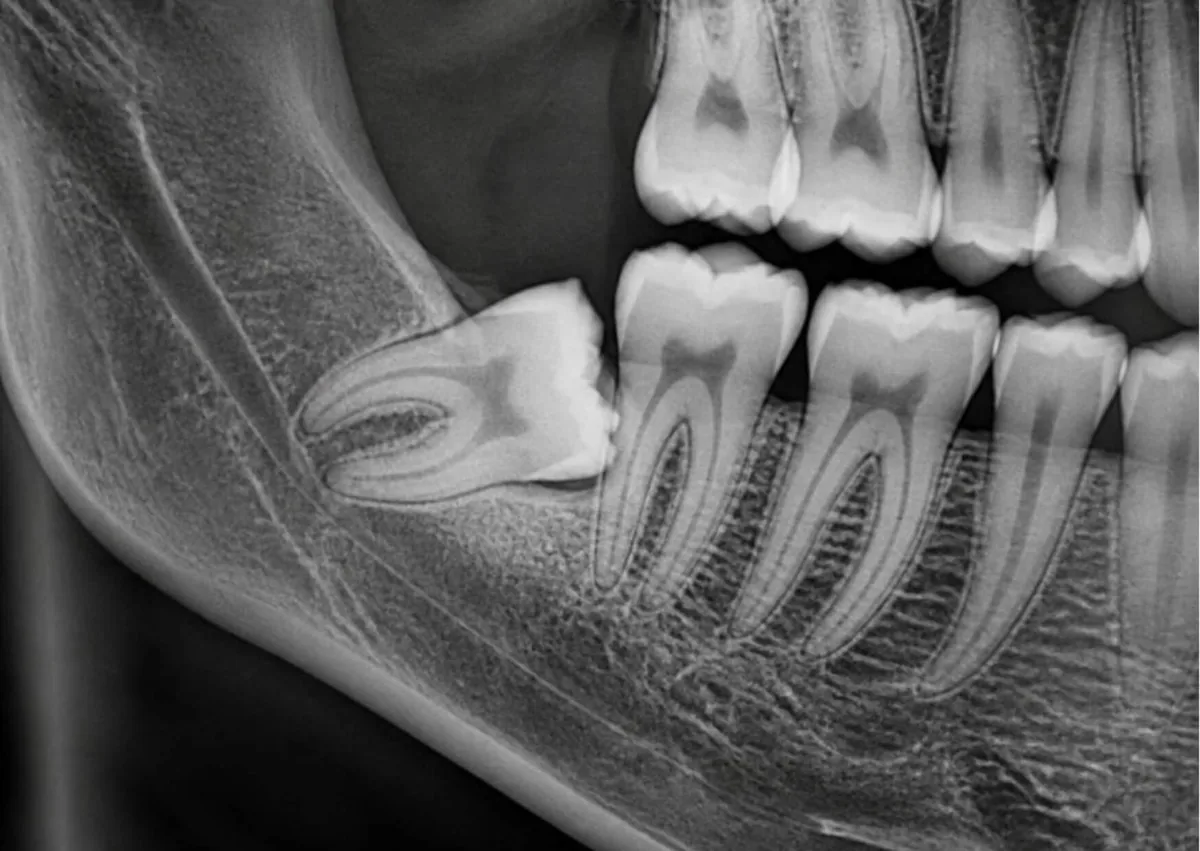
A wisdom tooth coming in often looks like a small white point or ridge behind your last molar. At first, only part of the tooth may show, and the gum around it may look swollen, raised, or slightly irritated.
Not every wisdom tooth comes in straight or becomes easy to see. Some erupt at an angle, some stay partly trapped under the gum, and some never fully break through.
At AR Smiles in Fairlawn, OH, we provide wisdom teeth removal and related care for patients who are experiencing erupting or impacted wisdom teeth.
If a wisdom tooth is erupting normally, you may first notice a pale bump in the gum behind the second molar. As more of the tooth comes through, it may look like a rounded white edge or a few small points on the chewing surface.
The surrounding gum may stay pink but look mildly puffy. If the tooth is only partly through, a flap of gum may still cover part of it.
Dentists call that flap an operculum, which simply means gum tissue over an erupting tooth. Because wisdom teeth sit so far back, you may only notice swelling or a change in gum shape rather than the tooth itself.
A wisdom tooth coming in can cause dull pressure at the back of the jaw. The gum in that area may feel sore when you chew, brush, or open wide.
Other common signs include:
These symptoms can happen with normal eruption, but they are not specific to wisdom teeth alone. Similar discomfort can also come from gum irritation or from a cavity in the back molar.
General wisdom tooth symptoms can overlap with other dental problems, which is one reason an exam can help.
A wisdom tooth does not always come in upright. It may lean into the tooth in front of it, stay partly under the gum, or remain trapped in bone.
This is called impaction, which means the tooth does not have enough room to erupt normally. In these cases, the area may look more inflamed than with a simple eruption.
Visible warning signs may include red, swollen gum around a partially erupted wisdom tooth. The area may also look irritated, bleed easily, or collect plaque and food because it is hard to clean.
If the gum flap over the tooth becomes inflamed, bacteria can build up underneath it. This can lead to pericoronitis, an infection or inflammation around a partially erupted tooth.
People often notice worsening pain, a bad taste, bad breath, or swelling near the back of the mouth. If bad breath is a concern, our guide on getting rid of bad breath may help explain possible causes, and pericoronitis symptoms can help you recognize warning signs.
Some impacted wisdom teeth are partly visible and look like only one corner of a tooth has broken through. Others do not show above the gumline at all.
When a wisdom tooth is not visible, an X-ray is usually the only reliable way to tell where it is and whether it is pressing on nearby teeth. That matters because a wisdom tooth can cause pain, pressure, or damage even when you cannot see it in the mirror.
Routine imaging is often part of routine dental check-ups and can help catch problems early. If the back of your mouth keeps feeling sore and you cannot tell why, a dental exam is more useful than trying to guess based on appearance alone.
|
What You May See or Feel |
More Consistent with Normal Eruption |
More Concerning and Worth Prompt Evaluation |
|---|---|---|
|
Small white edge behind last molar |
Yes |
No |
|
Mild gum tenderness |
Yes |
No |
|
Slight puffiness for a short time |
Yes |
No |
|
Tooth partly covered by gum |
Sometimes |
Can be, especially if painful or hard to clean |
|
Increasing swelling |
No |
Yes |
|
Pus, drainage, or foul taste |
No |
Yes, possible infection |
|
Trouble opening the mouth |
No |
Yes |
|
Fever or facial swelling |
No |
Yes |
This table is only a guide. A dentist should still evaluate symptoms that are severe, persistent, or unclear.
Wisdom teeth are the third molars, and they usually try to erupt later than the rest of the adult teeth. Because they come in last, there often is not enough space.
That lack of room can make the tooth come in sideways, partly erupt, or press against the tooth in front of it.
Even if the tooth does erupt, its position may still make brushing and flossing difficult, which raises the risk of gum inflammation and decay.
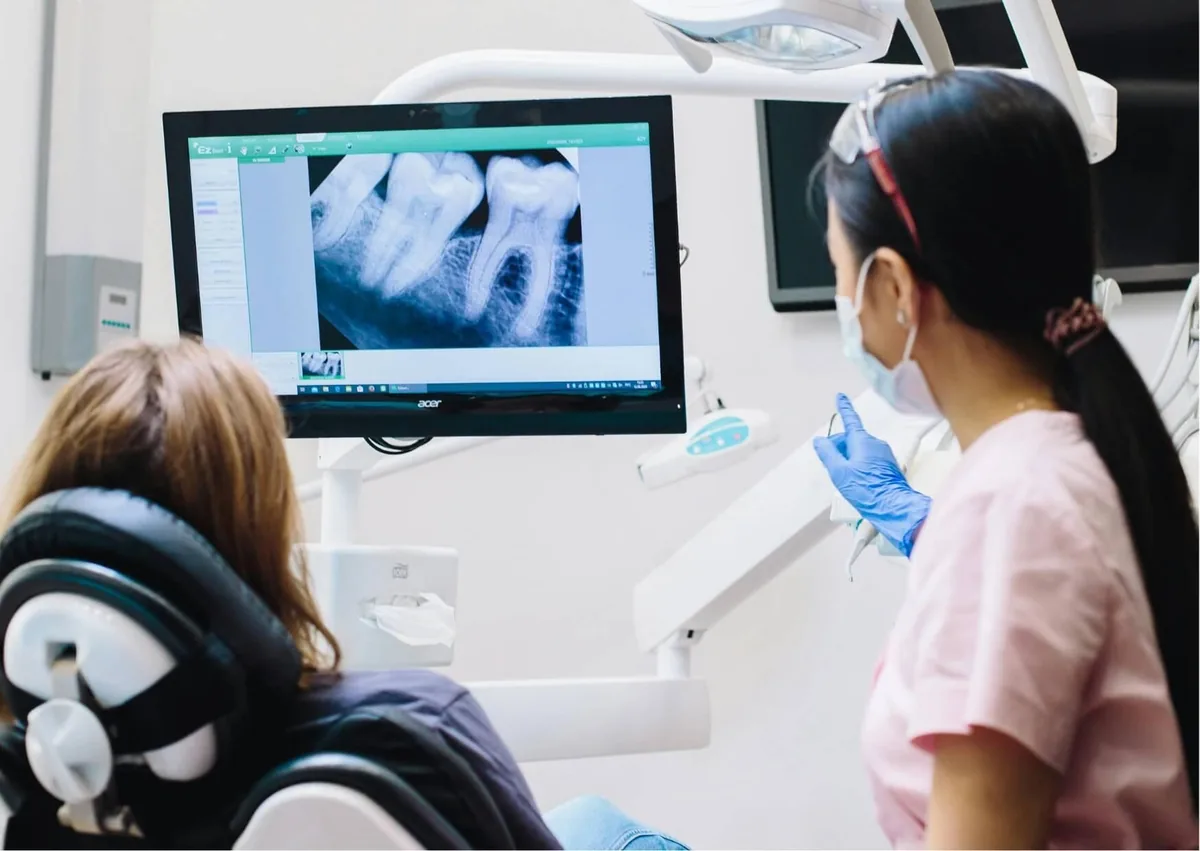
If you are not sure whether a wisdom tooth is coming in, a dentist will usually examine the gum behind the last molar and check whether any part of the tooth is visible. The visit may also include X-rays to see the angle of eruption and whether the tooth is trapped under the gum or bone.
The next step depends on what the exam shows. Some wisdom teeth can simply be monitored, especially if they are coming in cleanly and are easy to keep clean.
Others may need wisdom teeth removal if they are impacted, repeatedly inflamed, damaging a nearby tooth, or causing ongoing pain. If removal is recommended, ask about sedation dentistry options to make the procedure more comfortable.
A good evaluation is less about whether the tooth looks unusual and more about whether it is healthy, functional, and maintainable over time. If it is still unclear from what you can see, a dental exam with X-rays can clarify the situation.
Keep the area as clean as you can with normal brushing, but do not dig under the gum or force anything around the tooth. Gentle rinsing after meals may help reduce trapped debris if the area feels tender.
Choose softer foods if chewing on that side is uncomfortable. If pain is getting worse, swelling is increasing, or the area is hard to open or clean, it is better to arrange a dental visit rather than trying to manage it at home for too long.
If pain is severe or keeping you awake, see guidance about extreme tooth pain and contact us for prompt care. Home care may ease mild irritation, but it cannot correct an impacted tooth or treat a deeper infection.
Schedule a dental evaluation soon if the area stays painful for more than a few days, keeps flaring up, or is hard to clean because the tooth is only partly through. It is also smart to get checked if the gum repeatedly swells or bleeds around the area.
Seek prompt care if you notice facial swelling, fever, pus, worsening pain, or trouble swallowing or opening the mouth. Those signs can point to a more significant infection or inflammation that should not wait and may require emergency dentistry.
If you are unsure whether what you see is a wisdom tooth, that alone is a reasonable reason to book an exam. The back of the mouth is hard to assess at home, and a quick dental check can show whether the tooth is erupting normally or needs treatment.
For wisdom teeth removal at AR Smiles in Fairlawn, OH, serving patients from nearby Akron and Copley, call (330) 835-1000 to schedule a consultation.
Yes. Some wisdom teeth erupt with little or no discomfort, especially if there is enough space and the tooth comes in upright.
They often begin to erupt in the late teens or early twenties, but timing varies. Some appear later, and some never erupt at all.
Not always. A visible white edge may suggest an erupting tooth, but swelling alone can come from several causes, so a dental exam may be needed.
No. Some can be monitored, but partial eruption raises the risk of irritation and infection because the area is harder to clean.
Yes. A wisdom tooth can stay under the gum or bone and still cause pressure, inflammation, or problems for the tooth in front of it.