
Menu
- Home
- About Us
- Services
- Dental Savings Plan
- Patient Resources
- Success Stories
- Gallery
- Contact Us
close
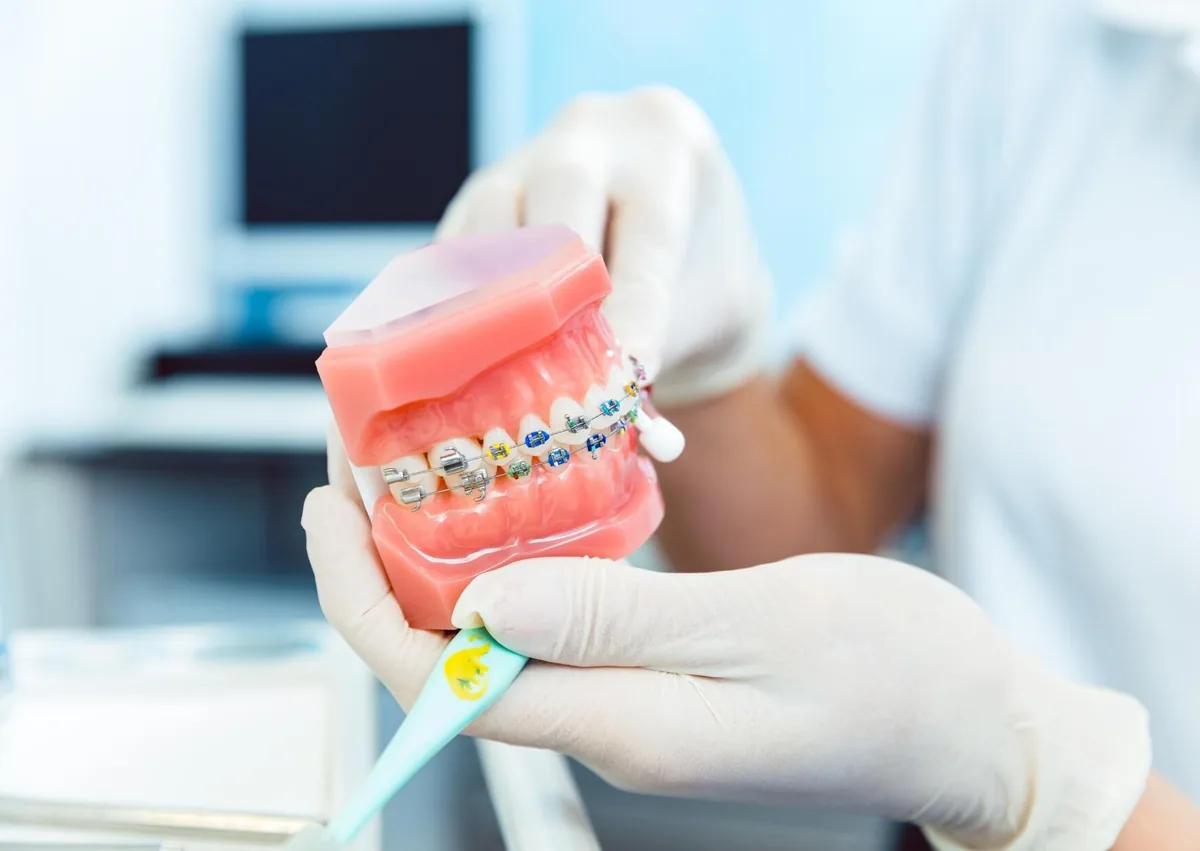
Braces in the United States usually cost about $3,000 to $8,000 for full treatment. Simpler cases may cost less, while complex treatment, longer timelines, or specialized appliances can raise the total.
Your final cost depends on the type of braces, how much tooth movement is needed, where you live, insurance benefits, and cost factors such as whether the quote includes records, follow-up visits, and retainers. The most accurate estimate comes from an orthodontic evaluation.
If you're trying to understand what braces may cost for crowding, spacing, or bite concerns, an orthodontics consultation can show which treatment options fit your needs and budget. At AR Smiles in Fairlawn, OH, that evaluation helps you compare likely timelines, fees, and next steps with more confidence.
Traditional metal braces are often the lowest-cost fixed option. They commonly range from $3,000 to $7,000 for complete treatment.
Ceramic braces use tooth-colored or clear brackets and often cost about $4,000 to $8,000. They are less noticeable than metal braces, but they may be more fragile and are not the best choice for every bite.
Lingual braces attach behind the teeth and may cost $8,000 to $13,000 or more. They usually cost more because they require specialized design and adjustments.
Clear aligners often range from $3,000 to $8,000, though limited cases may cost less and complex cases may cost more. Popular brand options include Invisalign for nearly invisible, removable tray treatment.
These are broad national estimates, not guaranteed fees. Some offices bundle services together, while others bill certain items separately.
Case complexity is one of the biggest price factors. Crowding, spacing, rotated teeth, impacted teeth, and significant bite problems may require more visits, longer treatment, or added procedures.
Treatment often lasts 12 to 30 months, but some cases are shorter and others take longer. Missed visits, broken brackets, poor aligner wear, or not using elastics as directed can delay progress and sometimes increase costs.
Provider training, local overhead, and appliance materials also affect pricing. An orthodontist is a dentist with additional specialty training in tooth movement and jaw alignment, and if you are comparing providers, this guide to choosing a cosmetic dentist may help.
Ask for a written treatment estimate that clearly shows what is included and what is billed separately. A full fee may include the consultation, digital scans or impressions, X-rays, braces or aligners, routine adjustment visits, removal of braces, and one or more retainers.
Extra costs may include replacement retainers, lost aligners, repairs caused by misuse, or treatment that lasts longer than expected. Fillings, gum treatment, cleanings, extractions, and oral surgery are often separate from the orthodontic fee.
It is also smart to ask what happens if the treatment plan changes or if care must be transferred to another office. Comparing total treatment cost is usually more useful than comparing only a low advertised starting price.
Dental insurance may help pay for braces, especially for children, but many plans use a lifetime orthodontic maximum instead of a yearly benefit. Adult orthodontic coverage is less common, and some plans have age limits, waiting periods, network rules, or exclusions for treatment already in progress.
Before starting treatment, ask your insurer for a benefits estimate and confirm how payments are handled. Keep in mind that an estimate is not a guarantee, so you may still owe charges the plan does not cover.
Many offices offer monthly payment plans or third-party financing. HSA or FSA funds may also be used for eligible orthodontic expenses, but you should confirm the rules with your plan administrator.
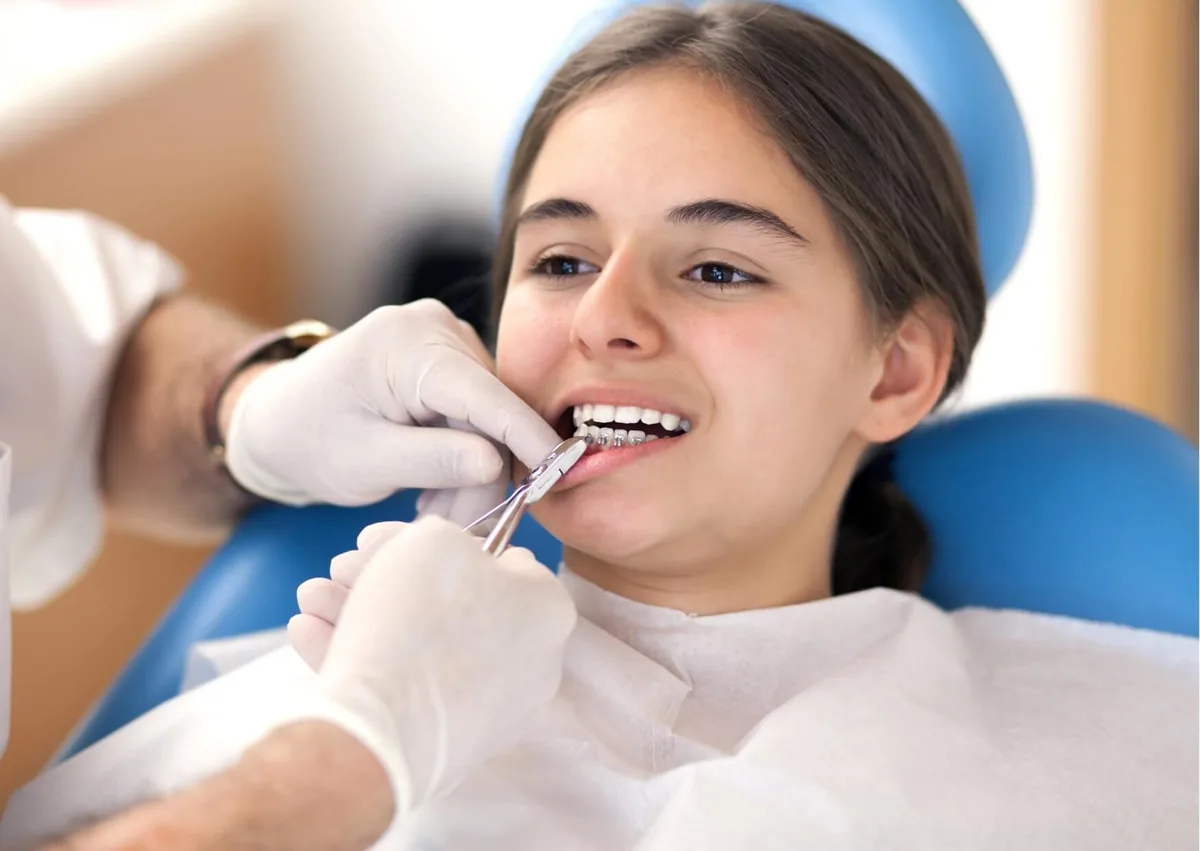
Before braces are placed, cavities and gum disease usually need to be treated first. For younger patients, pediatric dentistry can help prepare the mouth and coordinate care before orthodontic treatment begins.
During treatment, good home care matters. Careful brushing around brackets and regular cleanings help lower the risk of cavities, swollen gums, and white spot lesions caused by enamel mineral loss.
Follow instructions for elastics, aligner wear, and food restrictions, and keep scheduled visits. After treatment, retainers are essential because teeth can shift over time, so future retainer replacement should be part of your long-term budget.
Seek urgent dental care if you have persistent pain, swelling, pus, fever, facial swelling, dental trauma, or a wire that is cutting your mouth and cannot be made comfortable with orthodontic wax. Trouble breathing or swallowing, rapidly worsening facial swelling, or uncontrolled bleeding needs urgent medical attention.
If you want the most accurate cost estimate, schedule an orthodontic evaluation and bring your insurance information if you have it. Reviewing the diagnosis, treatment options, expected timeline, total fee, and retainer plan can help you avoid financial surprises.
To get a personalized cost estimate and treatment plan, schedule an in-person or virtual orthodontics consultation to review X-rays, timelines, and payment options. AR Smiles focuses on orthodontics in Fairlawn, OH and serves nearby Akron and Bath; call (330) 835-1000 or book online to arrange your visit.
Not always. Cost depends more on case complexity, appliance type, and treatment length, although insurance is more likely to help with treatment for children than for adults.
Many offices do ask for one, but policies vary. A larger down payment may lower the monthly payment if financing is offered.
No. The best option is the one that can safely and effectively correct your specific tooth and bite problems while fitting your ability to keep the teeth clean and follow instructions.
Sometimes, but not always. Ask how many retainers are included, what type you will receive, and what future repairs or replacements may cost.
Some plans exclude treatment already in progress, while others may pay a prorated amount. Check your plan details before changing insurance or transferring care.