
Menu
- Home
- About Us
- Services
- Dental Savings Plan
- Patient Resources
- Success Stories
- Gallery
- Contact Us
close
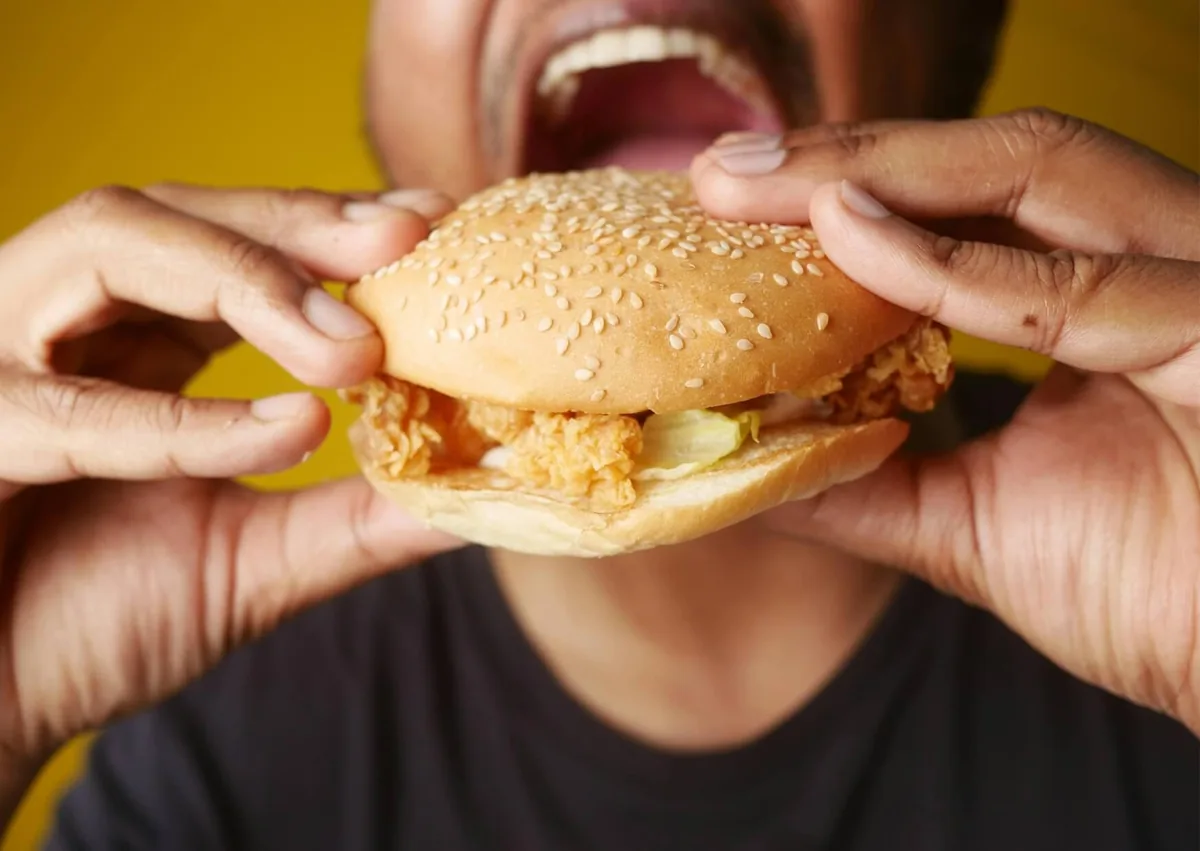
Most people should wait about 7 days before eating a burger after wisdom teeth removal. If chewing still hurts, swelling is ongoing, or the extraction was difficult, you may need 10 to 14 days or longer.
Even when you are ready, start with a soft burger on a soft bun and avoid seeds, crunchy toppings, and chewy meat. Your oral surgery team’s instructions should come first because healing varies after wisdom teeth removal.
If you are unsure when regular foods are safe again, guidance tied to wisdom teeth removal can help you avoid setbacks and heal more comfortably. AR Smiles in Fairlawn, OH shares what to expect so you can return to favorite foods with more confidence and less guesswork.
After a wisdom tooth is removed, a blood clot forms in the socket. That clot protects the bone and nerves underneath while the area heals.
A burger can be a problem because it takes a lot of chewing. The bun, meat, seeds, lettuce, onions, and crispy toppings can irritate the area or get trapped near the socket.
Too much chewing or pressure can disturb the clot and slow healing. In some cases, that can lead to dry socket, which often causes worsening pain a few days after the extraction.
Common dry socket symptoms include throbbing pain, pain that spreads toward the ear or temple, bad breath or a bad taste, and a socket that looks empty. If pain is getting worse instead of better, do not assume it is normal healing.
Stick with cool or lukewarm foods that need little or no chewing. Good options include yogurt, pudding, applesauce, smoothies eaten with a spoon, and smooth mashed potatoes.
Avoid hot foods, straws, smoking, vaping, alcohol, and forceful spitting. These can interfere with clot formation and raise the risk of complications.
If bleeding is controlled and pain is improving, you can add more soft foods. Scrambled eggs, oatmeal, cottage cheese, soft pasta, and well-cooked vegetables are usually easier to manage.
Take small bites and chew away from the extraction sites when possible. If both sides were treated, choose foods that still require very little chewing.
You may be able to try foods that need a bit more chewing if they do not trigger pain or bleeding. Still, a burger is often too chewy during this stage, especially after impacted wisdom teeth or multiple tooth extractions.
Jaw stiffness can also make burgers uncomfortable even if the sockets are healing well. If opening your mouth is still difficult, wait longer.
Many people can try a soft burger after about a week if jaw movement feels comfortable and healing is going smoothly. Others need 10 to 14 days or longer, especially after lower wisdom tooth removal, difficult extractions, or lingering swelling.
Typical recovery time after wisdom teeth removal often spans one to two weeks. Use your symptoms and your dentist’s instructions, not just the calendar, to decide when to move back to tougher foods.
Choose a small, tender burger on a soft bun. Cut it into small pieces and skip sesame seeds, crunchy toppings, raw onions, and very hot or spicy sauces.
Chew slowly and stop if you feel sharp pain, pressure, or renewed bleeding. If the meat feels tough or the bun scrapes the area, go back to softer foods for another day or two.
Do not use your tongue, fingers, or utensils to dig food out of the socket. If your dentist recommended gentle saltwater rinses after the first 24 hours, use them carefully without vigorous swishing.
Hold off on burgers if chewing hurts, swelling has not started to improve, bleeding returns, or you still cannot open your mouth comfortably. These are signs that the area may not be ready for tougher foods.
You should also wait if you have a bad taste, drainage, fever, or numbness that is not improving. Those symptoms may point to a problem that needs professional evaluation.
Contact your dentist or oral surgeon if pain or swelling gets worse after first improving, bleeding will not stop, or you notice pus, fever, or signs of dry socket. Those symptoms are not typical of smooth recovery.
Seek emergency dentistry right away for trouble breathing or swallowing, rapidly spreading swelling, or another severe symptom. These can signal a more urgent complication.
Recovery is different for everyone. If you are not sure whether the extraction sites are ready for a burger, your treating dental professional can check healing and give advice based on your procedure.
If pain, swelling, or dry socket symptoms are making it hard to tell whether healing is on track, a follow-up visit can help you protect the area and return to eating more safely. Call AR Smiles for wisdom teeth removal follow-up in Fairlawn, OH, serving nearby Akron and Bath, at (330) 835-1000 to schedule care.
Usually no. On day 3, a burger is still too firm and chewy for most people, and soft foods are the safer choice.
Chewing on the other side helps reduce direct pressure, but it does not remove the risk from heavy chewing or food particles getting near the socket. It may also be difficult if wisdom teeth were removed on both sides.
The cheese does not change the timeline very much. Most people still need to wait about a week before trying a soft cheeseburger, and longer if healing is slow.
Many people work back toward a normal diet over 1 to 2 weeks. Hard, crunchy, sticky, spicy, or seedy foods are usually best added last.