
Menu
- Home
- About Us
- Services
- Dental Savings Plan
- Patient Resources
- Success Stories
- Gallery
- Contact Us
close

How soon you can eat after fluoride treatment depends on which fluoride product was used. After fluoride varnish, many patients can eat right away but should avoid hot, hard, crunchy, or sticky foods for several hours; after fluoride gel or foam, the usual advice is to wait about 30 minutes before eating or drinking.
If you are unsure how long to wait before eating after fluoride is applied, a professional fluoride treatment gives you product-specific protection and clear aftercare based on your teeth. AR Smiles in Fairlawn, OH provides focused fluoride care with practical guidance that helps patients protect the full benefit of treatment.
Fluoride helps strengthen enamel and makes teeth more resistant to acid from oral bacteria. That support can slow cavity formation and may help very early areas of enamel damage or small cavities heal.
Professional fluoride treatments contain more fluoride than most over-the-counter products. They are part of preventive dentistry, along with measures such as sealing teeth.
Fluoride varnish is painted onto the teeth and hardens when it contacts saliva. Because it stays on the enamel for several hours, eating certain foods, drinking hot beverages, or brushing too soon can reduce how well it stays in place.
Fluoride gels and foams are usually placed in trays and removed before you leave the office. These treatments often happen during dental cleanings and exams, and patients are commonly told not to eat, drink, or rinse for about 30 minutes so the fluoride left on the teeth has time to work.
If your dental team says you can eat right away, choose soft, cool, or lukewarm foods until the restriction period ends. Good options include yogurt, applesauce, scrambled eggs, soft pasta, mashed potatoes, or a sandwich on soft bread.
You may be told to avoid:
These restrictions often last four to six hours, but instructions vary by product. The advice from the clinician who applied the fluoride should always take priority over general guidance.
After fluoride varnish, many dental offices recommend waiting at least four to six hours before brushing or flossing. Some varnish products are meant to stay on until the next morning, so check your written aftercare instructions.
Once the waiting period has passed, brush gently with fluoride toothpaste and resume flossing as usual. The temporary coating should come off with normal brushing.
After fluoride gel or foam, brushing instructions may be different. If you are not sure which treatment you received, call the dental office instead of guessing.
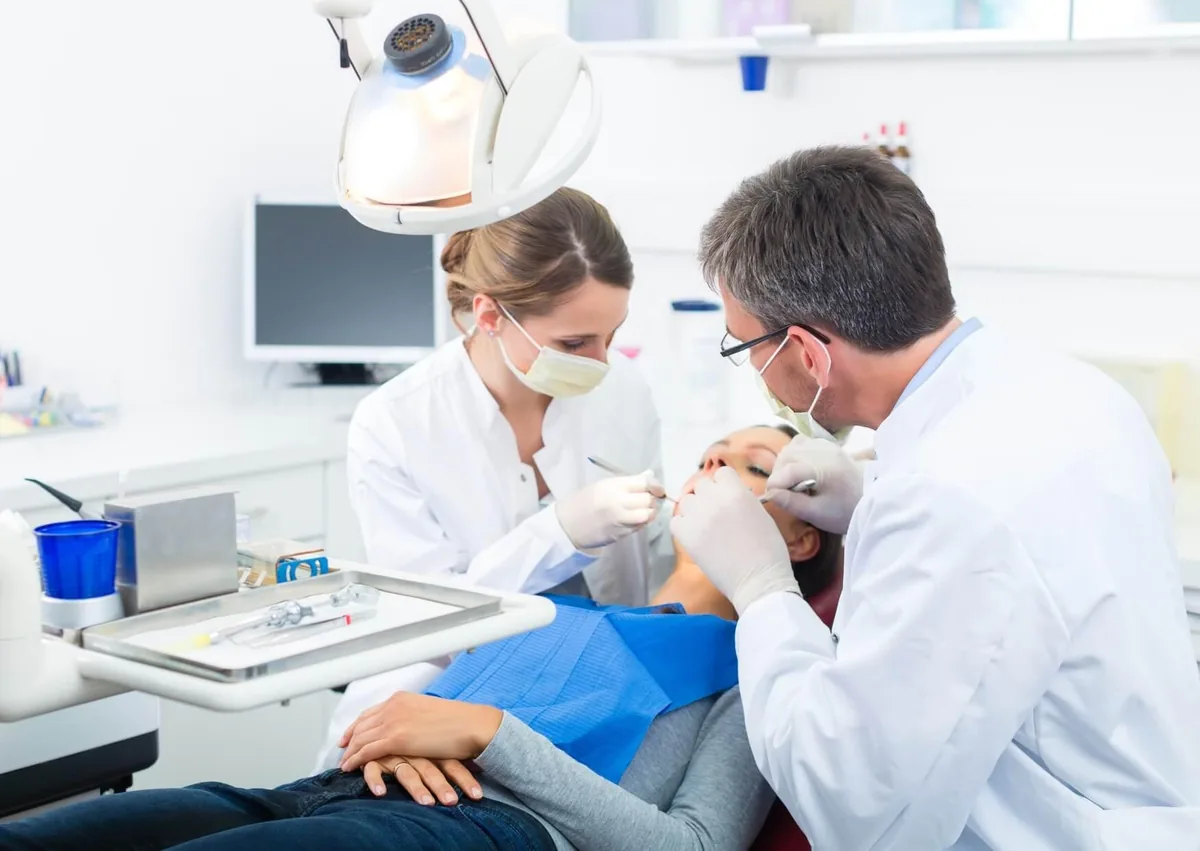
After fluoride varnish, teeth may feel slightly rough, sticky, or coated. Some varnishes can also make teeth look dull or slightly yellow for a short time, but that usually goes away after brushing when the waiting period ends.
Mild, short-term sensitivity can happen, especially if your teeth were already sensitive or if fluoride was applied after a cleaning. Ongoing pain is not a typical after-effect and may point to another dental issue.
Try not to swallow fluoride products. If a child eats or drinks sooner than instructed, contact the dental office or your pediatric dentistry provider for guidance, but a small timing mistake usually is not an emergency.
Contact the dental office if you are not sure when you can eat, drink, brush, or floss. The correct answer depends on the exact fluoride product used.
You should also schedule an evaluation if tooth pain or sensitivity is severe, getting worse, or not improving. Those symptoms are not typical aftercare issues.
Get urgent medical help for trouble breathing, swelling of the lips, tongue, face, or throat, widespread hives, repeated vomiting, marked weakness, confusion, or concern that a significant amount of fluoride was swallowed. These uncommon fluoride toxicity symptoms need prompt assessment.
Following product-specific instructions helps fluoride stay in contact with enamel as intended. If anything about your aftercare is unclear, your dental team can explain the restrictions based on your treatment and oral health needs.
If you want clear aftercare instructions or a professional fluoride treatment, AR Smiles in Fairlawn, OH serves patients from Fairlawn, Akron, and Bath with preventive-focused dental care. Call (330) 583-5158 to schedule and get treatment-specific guidance that fits the fluoride product used and your oral health needs.
After fluoride varnish, some products allow water right away, while others have restrictions. After fluoride gel or foam, patients are often told to avoid all food and drinks, including water, for about 30 minutes.
Eating too soon can remove or disturb some of the fluoride before it has had enough contact time with the teeth. It usually is not dangerous, but call the dental office if you are concerned or think a large amount was swallowed.
Wait until your dental team says hot drinks are allowed, which is often several hours after varnish. When you are allowed to drink coffee, lukewarm coffee may be less likely than very hot coffee to disturb the coating.
Fluoride varnish may stay noticeable for several hours and sometimes until you brush the next morning. The rough or coated feeling is temporary and does not mean your teeth were harmed.