
Menu
- Home
- About Us
- Services
- Dental Savings Plan
- Patient Resources
- Success Stories
- Gallery
- Contact Us
close
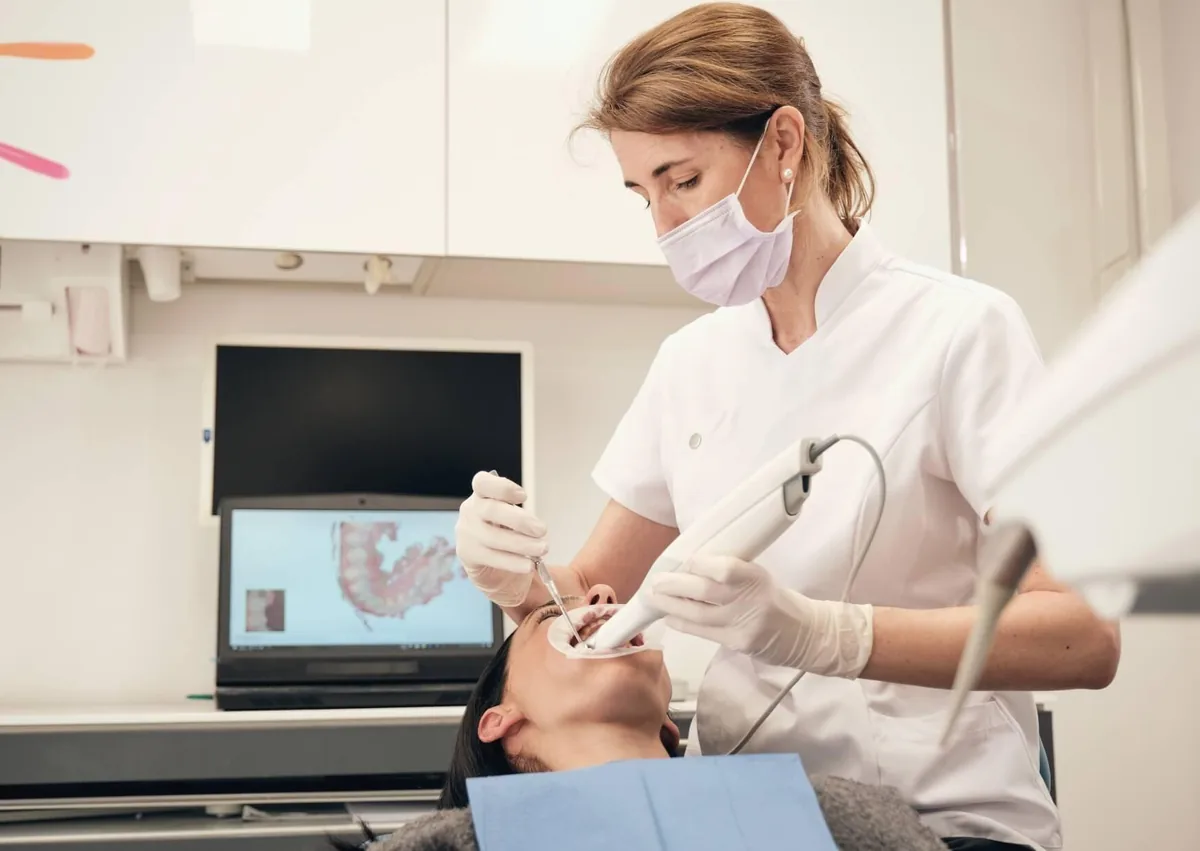
If you want to change the look of your teeth, digital smile design can help you preview possible improvements before treatment starts. It uses photos, scans, and planning software to guide decisions, but it is a planning tool, not a guarantee of the exact final result.
If you're weighing changes to tooth shape, color, or alignment, cosmetic dentistry can help show what is realistic for your smile. At AR Smiles in Fairlawn, OH, digital planning is paired with personalized treatment options so you can compare choices and move forward with clearer expectations.
The process usually starts with a conversation about what you want to improve. Common concerns include tooth color, shape, spacing, alignment, uneven edges, or an unbalanced smile.
Your dentist may take photographs, video, X-rays, and an intraoral scan. These records help evaluate how your teeth relate to your lips, face, gums, and bite.
Software is then used to create a proposed smile design. Depending on the case, you may see a 2D image, a 3D model, or a temporary mock-up placed over the teeth.
Digital smile design does not whiten, move, or reshape teeth by itself. It helps plan treatment that may include veneers, crowns, bonding, orthodontics such as clear aligners, dental implants, gum contouring, or a broader dental makeover.
Digital smile design can show how changes in tooth length, width, contour, and edge position may look with your facial features. It can also help identify whether gum health, alignment, or bite issues should be addressed before cosmetic treatment.
This planning process can improve communication between the dentist, specialists, and the dental lab. That is especially helpful when treatment involves several teeth or a combination of procedures.
Research suggests digital planning can provide acceptable accuracy for visualization and communication. Still, it cannot fully predict healing, soft tissue changes, lighting effects on color, or exactly how the final restorations will feel.
Digital smile design may be useful if you are considering noticeable changes to tooth shape, position, color, or symmetry. It can also help when older restorations need replacement or when missing teeth require coordinated implant and restorative planning.
Patients combining several cosmetic treatments often explore a smile makeover to address multiple concerns in one plan.
Healthy teeth and gums come first. Cavities, gum disease, infection, significant enamel wear, or an unstable bite may need treatment before elective cosmetic work is appropriate.
Not every case needs an extensive digital plan. Small bonding or whitening cases may be planned more simply, while severe crowding, jaw imbalance, or major bite problems may require more records and specialist input.
A proper evaluation should include more than smile photos. Your dentist may assess the teeth, gums, jaw joints, bite, existing dental work, bone support, and signs of grinding or clenching, with X-rays when needed.
Ask which parts of the preview are realistic and whether tooth preparation will be required. It is also reasonable to ask about alternatives, reversibility, treatment sequence, expected longevity, maintenance, fees, and what happens if the final result differs from the simulation.
Some offices offer a removable trial smile or temporary mock-up. This can help you judge appearance, speech, lip movement, and tooth length before permanent treatment begins.
Long-term maintenance depends more on the treatment you choose than on the software used to plan it. Daily brushing with fluoride toothpaste, cleaning between teeth, routine dental visits, and avoiding tobacco all support oral health and restoration longevity.
If you grind or clench, your dentist may recommend a protective appliance to help protect restorations. Habits like chewing ice, opening packages with your teeth, or biting very hard objects can chip bonding, veneers, crowns, and natural enamel.
Color planning also matters. Fillings, bonding, veneers, and crowns do not whiten the same way natural teeth do, so whitening is often done before the shade of new restorations is selected.
Schedule a dental evaluation before pursuing digital smile design if you have tooth pain, bleeding or swollen gums, loose teeth, broken restorations, persistent sensitivity, or trouble chewing. These symptoms may point to problems that cosmetic planning alone will not fix.
Seek prompt dental care for severe pain, worsening swelling, pus, a bad taste from a tooth, or dental trauma. Facial swelling with fever, trouble breathing, trouble swallowing, or swelling near the eye needs urgent medical attention.

A qualified dentist can explain whether digital smile design adds value in your case and which changes are realistic without harming tooth structure, gum health, or bite function. Bringing photos of smiles you like can help communicate your goals, but the safest plan should still be based on your own anatomy and oral health.
If you want to turn a smile preview into a step-by-step treatment plan, a cosmetic dentistry consultation can clarify options, timing, and costs. Contact AR Smiles for cosmetic dentistry in Fairlawn, OH, serving nearby Akron and Bath, to book an appointment or call (330) 583-5158 today.
No. Digital smile design is a planning and communication method, while cosmetic dentistry refers to treatments that change dental appearance.
It can provide a useful visual estimate and improve treatment planning. However, it cannot guarantee an exact result because tooth structure, tissue response, healing, materials, and technical limits can affect the outcome.
The records used for planning are usually noninvasive and should not be painful. Any discomfort, risks, or recovery time depend on the treatment you choose.
Coverage varies by plan and by the reason for treatment. Services done only to improve appearance are often excluded, while medically necessary restorative care may receive partial coverage.
Often, yes. Reviewing tooth length, shape, color, and symmetry before treatment is one of the main benefits, although clinical and biological limits may restrict some changes.