
Menu
- Home
- About Us
- Services
- Dental Savings Plan
- Patient Resources
- Success Stories
- Gallery
- Contact Us
close
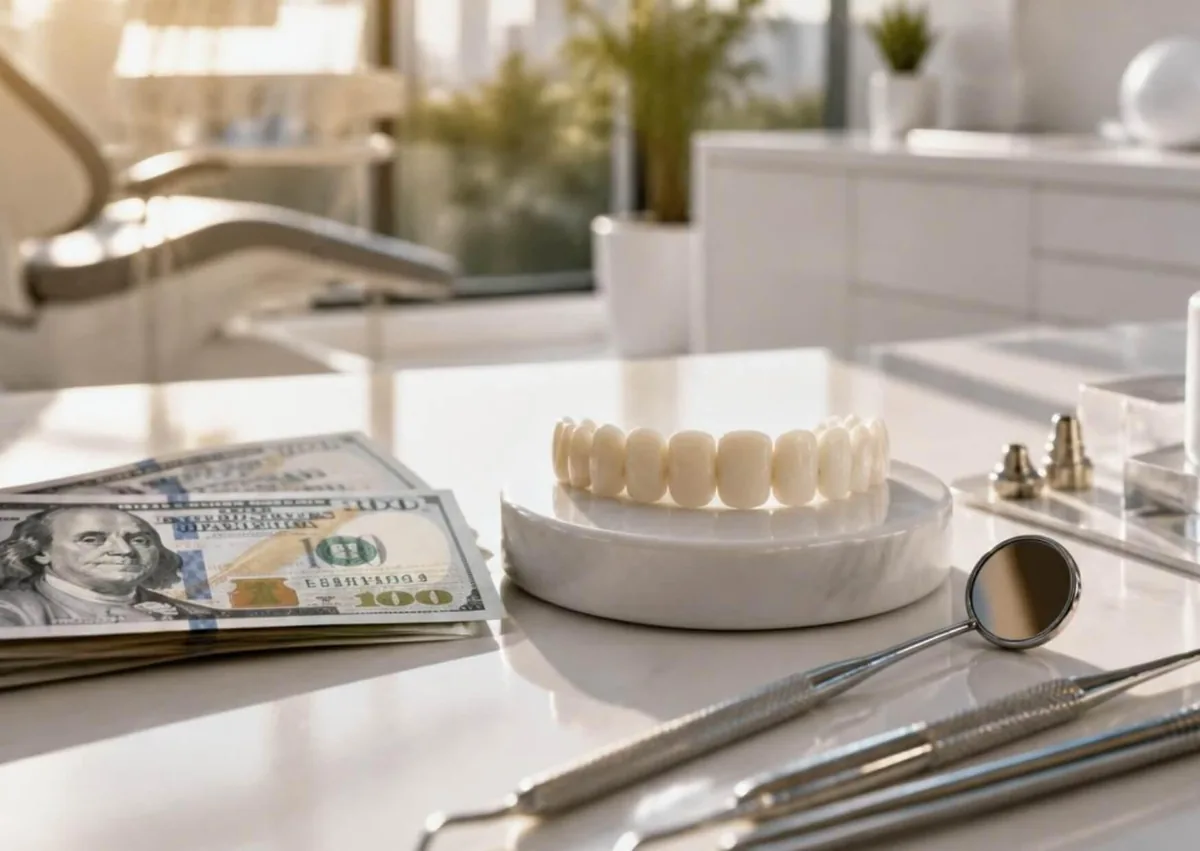
Cosmetic dentistry cost can range from about $300 for professional whitening to $7,000 or more per tooth for an implant with a crown. The total depends on the procedure, how many teeth are involved, the materials used, your oral health, and whether any part of the treatment is restorative rather than cosmetic only.
The most reliable way to estimate cost is to start with an exam and a written treatment plan. That helps you compare options based on what is actually needed, not just a low advertised price.
If you're weighing options or worried about costs for improving your smile, a cosmetic dentistry evaluation can clarify what treatment is truly needed and which costs are likely to apply. AR Smiles in Fairlawn, OH can provide a clear, itemized plan and realistic cost overview to help you choose sensible care.
The ranges below are broad U.S. estimates, not guaranteed fees. Actual costs may be higher or lower based on location, case complexity, lab charges, sedation, and any additional treatment needed first.
|
Procedure |
Typical Estimated Cost |
Important Context |
|---|---|---|
|
In-office teeth whitening |
$300 to $1,000 |
Results and sensitivity vary; fillings and crowns do not whiten |
|
Dental bonding |
$300 to $800 per tooth |
Usually less costly than veneers but more prone to staining and chipping |
|
$900 to $2,500 per tooth |
Often requires irreversible enamel removal and eventual replacement |
|
|
Tooth-colored filling |
$150 to $450 per tooth |
Coverage may apply if the filling treats decay rather than appearance alone |
|
Dental crown |
$1,000 to $2,500 per tooth |
May be partly covered when needed to restore a damaged tooth |
|
Clear aligners |
$3,000 to $8,000 total |
Cost depends on treatment length, complexity, and included retainers |
|
Dental implant with crown |
$3,000 to $7,000 or more per tooth |
Bone grafting, imaging, extraction, and sedation can add to the total |
A low promotional price may cover only one part of treatment. Ask whether the estimate includes the exam, X-rays, temporaries, lab work, follow-up visits, repairs, retainers, or replacement costs.
Treatment complexity and the number of teeth treated often have the biggest effect on total cost. Fixing one chipped tooth may call for simple bonding, while changing several teeth may involve aligners, veneers, crowns, or a combination of treatments.
Material choice also matters. Composite bonding usually costs less than porcelain, but it may stain or chip sooner and may need more maintenance over time.
Lab-made restorations and esthetic options such as metal-free crowns often cost more because of material quality and laboratory fees. Higher cost does not always mean better care, but it should reflect the treatment plan, materials, and services included.
Your oral health can also change the plan. Cavities, gum inflammation, bite problems, infection, or limited bone for an implant may need treatment first, which adds time and cost.
Dental insurance usually does not cover treatment done only to improve appearance. It may cover part of a filling, crown, implant, or orthodontic treatment when the procedure also restores function or treats disease, but benefits vary by plan.
Before starting expensive treatment, ask the office to request a written predetermination of benefits. This is an estimate from the insurer, not a guarantee, but it can help you understand likely out-of-pocket costs.
Some dental offices offer payment plans or third-party financing. In some cases, HSA or FSA funds may also be used for eligible dental expenses.
Review financing terms carefully before agreeing. Pay attention to interest rates, deferred-interest deadlines, fees, and refund policies.
The lowest upfront price is not always the lowest long-term cost. Whitening may work well for surface stains, while bonding can repair small chips; for some patients, comparing bonding vs. veneers helps clarify the tradeoffs.
More extensive treatment can improve appearance, but it may also remove more tooth structure and create future replacement costs. Veneers, crowns, aligners, and implant crowns can all require maintenance, repair, or replacement over time.
Ask how long results last, what upkeep is expected, and whether the treatment is reversible. If you are considering veneers, it also helps to review how long veneers last; if crowns are part of the plan, review how long crowns last.
If a missing tooth is involved, comparing an implant or bridge can make the long-term cost picture clearer. A sound treatment plan should also account for your bite, gum health, enamel thickness, and goals.
Be cautious if you are advised to choose extensive irreversible treatment without a clear reason. A more conservative option may sometimes meet your goals with less long-term commitment.
Start with an exam instead of choosing treatment from photos or online pricing alone. The dentist may recommend X-rays, photos, digital scans, or a gum and bite evaluation to identify problems that could affect safety, appearance, or longevity.
Ask for an itemized plan that separates required dental treatment from optional cosmetic treatment. This makes it easier to understand what is necessary now and what is elective.
If the plan is complex, expensive, or involves removing a substantial amount of healthy tooth structure, consider an independent second opinion. That can be especially helpful before veneers, crowns, or full-smile treatment.
For an overall assessment of your options and how they affect cost, a cosmetic dentistry consultation can help prioritize necessary health care and cosmetic choices.
Daily brushing with fluoride toothpaste, cleaning between the teeth, regular dental visits, and avoiding tobacco can help protect both natural teeth and cosmetic work. If you grind your teeth, a dentist may recommend a professionally guided nightguard to reduce wear and damage.
Do not move forward with elective cosmetic treatment if you have unexplained tooth pain, bleeding gums, loose teeth, swelling, persistent sensitivity, or a broken tooth that has not been evaluated. These signs may point to decay, gum disease, infection, or structural damage that should be treated first.
Seek urgent dental care for severe or worsening pain, facial swelling, pus, fever with dental symptoms, uncontrolled bleeding, or dental trauma. Difficulty breathing or swallowing, rapidly spreading swelling, or swelling near the eye needs emergency medical care.
If your concern is not urgent but symptoms continue, worsen, or remain unclear, schedule an exam. A dentist can explain your options, likely maintenance, alternatives, and a personalized estimate before you commit.
To get an individualized estimate and discuss conservative alternatives, request a consultation that separates required health work from optional cosmetic treatment. Contact AR Smiles for cosmetic dentistry in Fairlawn, OH, serving nearby Copley and Bath; call (330) 583-5158 to schedule or book online.
Usually not when treatment is only for appearance. Partial coverage may be available when a procedure also restores function or treats damage or disease, but your insurer should confirm benefits before treatment begins.
Costs vary based on the procedure, number of teeth, case difficulty, materials, lab work, location, clinician experience, and what follow-up care is included. Extra treatment for cavities, gum disease, bite problems, or bone loss can also raise the total.
Not always. Their price ranges can overlap, and they serve different purposes: veneers mainly cover the front surface, while crowns cover most of the tooth and are often used when more structural restoration is needed; see crowns vs. veneers.
Request an itemized written estimate and ask what is excluded. Confirm insurance benefits, financing terms, lab charges, temporary restorations, follow-up visits, maintenance, and likely replacement costs before treatment starts.
Price alone does not prove safety or quality. Make sure the dentist has evaluated your teeth and gums, explained the diagnosis and alternatives, and justified any irreversible treatment.