
Menu
- Home
- About Us
- Services
- Dental Savings Plan
- Patient Resources
- Success Stories
- Gallery
- Contact Us
close
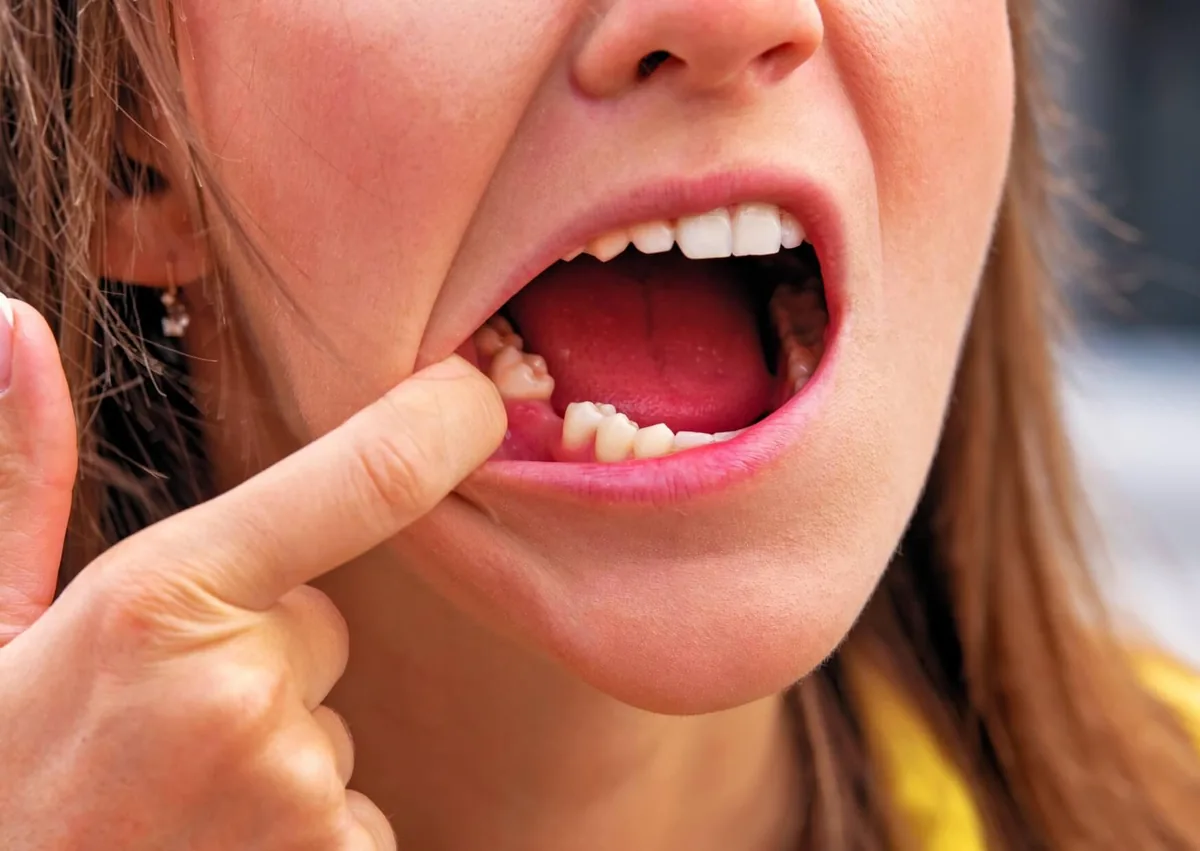
A normal socket after tooth extraction usually has a dark red blood clot at first, then develops a white or cream-colored healing layer as the gum closes over time. Mild bleeding, swelling, tenderness, and a visible hole are common early on, but pain should gradually improve, not get worse.
If you’re worried that worsening pain, heavy bleeding, or signs of infection after an extraction could be an urgent problem, emergency dentistry can help determine whether immediate treatment is needed. AR Smiles in Fairlawn, OH offers focused urgent care so you can get fast relief and clear next steps.
During the first day after tooth extractions, the socket often looks dark red or nearly black because of the blood clot. That clot protects the bone and nerves underneath while healing begins.
Over the next few days, the area may develop a white, yellowish, or cream-colored covering. This is often normal healing tissue called granulation tissue, not automatically pus or infection.
The socket may still look like a hole for several weeks. In many cases, the gum surface closes before the deeper bone fully fills in.
Healing time depends on the tooth removed, the size of the socket, your overall health, tobacco use, and how closely aftercare instructions are followed. Molar and wisdom tooth sockets are often larger and may take longer to close, and difficult removals may involve oral surgery.
These general healing stages can overlap, so healing does not follow the exact same timeline for everyone.
|
Time After Extraction |
Common Appearance |
Common Symptoms |
|---|---|---|
|
First 24 hours |
Dark red clot in the socket |
Oozing, tenderness, mild swelling |
|
Days 2 to 3 |
Dark clot, sometimes with a pale surface |
Swelling may peak, soreness should stay manageable |
|
Days 4 to 7 |
White or cream healing tissue, smaller opening |
Pain and swelling should start improving |
|
Weeks 1 to 3 |
Pink tissue forming across the area |
Mild sensitivity or food trapping may occur |
|
Following weeks to months |
Gum opening closes while bone rebuilds underneath |
Little or no discomfort |
These are general ranges, not firm deadlines. Stitches can also change how the area looks, and dissolvable stitches may loosen or disappear as healing continues.
A small amount of blood-tinged saliva during the first day is usually normal. Mild swelling, bruising, jaw stiffness, and discomfort that improve with recommended care are also common.
A problem is more likely if symptoms worsen instead of improve. Warning signs include increasing swelling after the first few days, fever, pus, a persistent foul taste or odor, or severe pain that does not settle.
Dry socket, also called alveolar osteitis, happens when the protective clot breaks down or is lost too early. It usually causes strong, worsening pain one to several days after extraction, sometimes spreading to the ear, temple, or jaw.
The socket may look empty or show exposed whitish bone, but appearance alone cannot confirm dry socket. A dentist should evaluate these symptoms because cleaning the area and placing a medicated dressing may help relieve pain. For more on dry socket treatment, see this Cochrane review.
An infection may cause worsening swelling, fever, pus, increasing redness, or a bad taste that does not go away. Painful swelling under the jaw, trouble swallowing, trouble breathing, or rapidly spreading facial swelling needs urgent dental or medical care.
Follow the extraction dentist's instructions closely, especially after a surgical extraction, bone graft, or stitched site. Early healing depends on protecting the clot.
Avoid vigorous rinsing, forceful spitting, drinking through straws, smoking, and vaping for as long as your dentist recommends. These actions can disturb the clot and delay healing.
Choose soft foods and chew on the opposite side when possible. For food ideas and timing, see our guide on eating after extraction.
Do not poke the socket with your tongue, fingers, or utensils. Leave the white healing layer alone, since trying to remove it can slow recovery.
Keep the rest of your mouth clean, but brush gently around the extraction site. Use only rinses and pain medicines your dentist recommends or that a healthcare professional says are safe for you.

Call the dental office promptly if you have severe or increasing pain, bleeding that does not slow with instructed pressure, new fever, pus, worsening swelling, or numbness that lasts longer than expected after anesthesia. You should also seek guidance if the clot seems lost and pain develops, or if food debris stays trapped despite the cleaning method your dentist recommended.
For urgent problems such as severe pain or heavy bleeding, consider contacting emergency dentistry for faster evaluation and care. Seek emergency care right away for trouble breathing or swallowing, uncontrolled bleeding, rapidly spreading swelling, confusion, fainting, or other severe symptoms.
When the healing pattern is unclear, an exam is the safest way to tell normal healing from dry socket, infection, or another complication.
If you have severe pain, heavy bleeding, or signs of infection after an extraction, contact emergency dentistry for prompt evaluation and pain control. Call AR Smiles for emergency dentistry in Fairlawn, OH, serving Copley and Bath, at (330) 593-2500 to speak with our team or request same-day treatment.
Yes. White or cream-colored tissue is often part of normal healing and may be fibrin or granulation tissue rather than pus, especially if pain and swelling are improving and there is no fever or persistent foul drainage.
Yes. A socket can stay open or indented while the gum grows across the surface and the bone rebuilds underneath, especially after a molar or wisdom tooth extraction.
A pale layer often forms over the clot as healing progresses. Do not scrape it away, because disturbing the area may delay healing.
The gum opening often becomes much smaller over several weeks, while deeper bone healing can continue for months. The exact timeline depends on socket size, extraction difficulty, health factors, and aftercare.
Food can collect in an open socket, but that does not always cause infection. Follow your dentist's cleaning instructions and contact the office if debris remains trapped or is accompanied by increasing pain, swelling, pus, fever, or a persistent bad taste.