
Menu
- Home
- About Us
- Services
- Dental Savings Plan
- Patient Resources
- Success Stories
- Gallery
- Contact Us
close
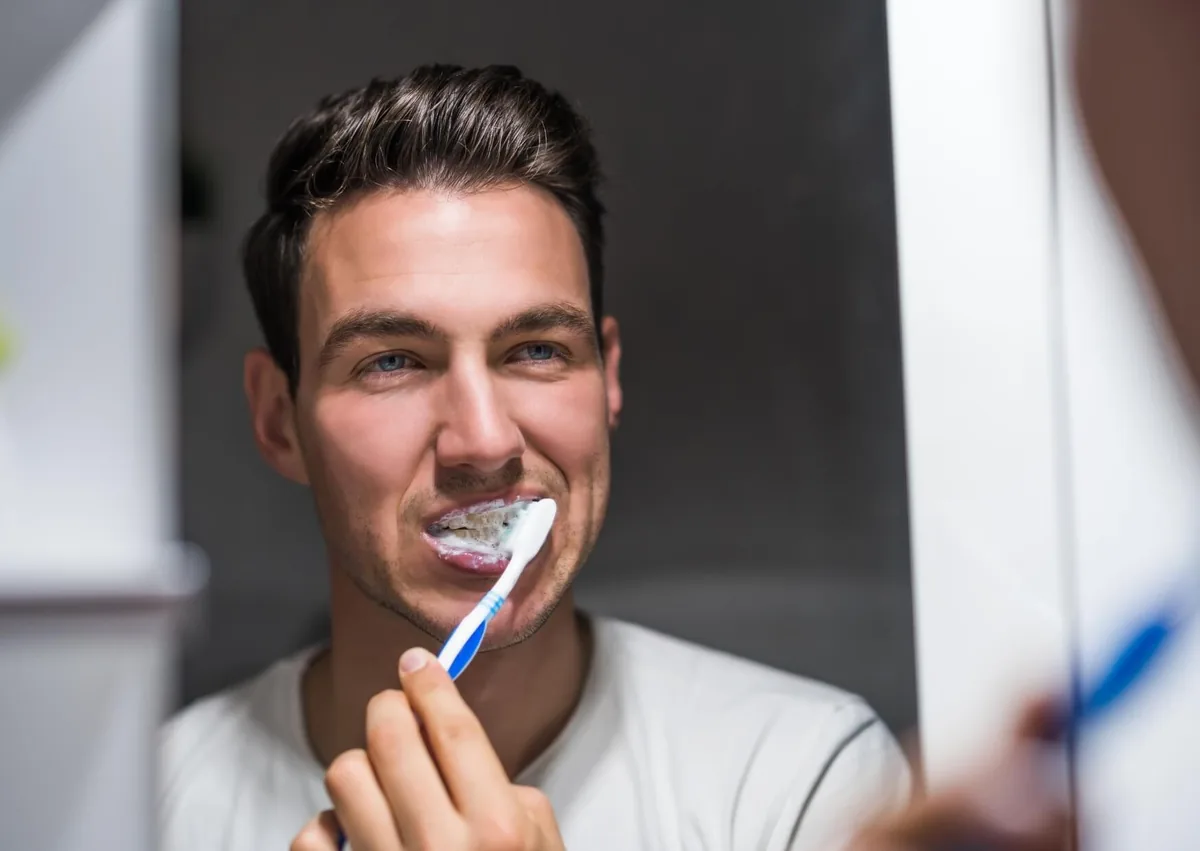
Plaque is a soft, sticky film that can usually be removed at home with thorough brushing and daily cleaning between the teeth. If that buildup hardens into tartar, though, it cannot be safely removed at home and needs professional dental cleanings.
If hardened deposits or ongoing gum bleeding suggest tartar or gum disease, professional dental cleanings can safely remove buildup and clarify whether further treatment is needed. At AR Smiles in Fairlawn, OH, our hygienists focus on reducing inflammation and making a clear home-care plan to help protect your teeth and gums.
Brush twice a day for two minutes with a soft-bristled manual or powered toothbrush. Aim the bristles toward the gumline at about a 45-degree angle, use gentle pressure, and clean the front, back, and chewing surfaces of every tooth.
Use fluoride toothpaste and spit out the excess after brushing. Do not rinse right away with water, because that can wash away fluoride before it has more time to protect the teeth.
Clean between the teeth once a day, since a toothbrush cannot fully reach those areas. Floss works well for tight spaces, while interdental brushes or water flossers may be easier around wider gaps, bridges, braces, or implants.
A simple routine is to clean between the teeth first and then brush. The best routine is the one you can keep every day, but brushing before bed is especially important because saliva flow drops during sleep.
Plaque is a bacterial film that forms constantly on teeth and along the gumline. Those bacteria use sugars and other fermentable carbohydrates from food and drinks to make acids, which can weaken enamel and contribute to cavity formation.
When plaque stays near the gums, it can lead to gingivitis, the earliest stage of gum disease. Common signs include red or swollen gums, bleeding during brushing or flossing, and persistent bad breath; see gingivitis symptoms for more detail.
Plaque starts building again soon after cleaning. Frequent snacking, sugary drinks, dry mouth, crowded teeth, braces, and hard-to-reach areas can all make plaque control more difficult.
Plaque and tartar are related, but they are not the same. Plaque is soft and removable with daily home care, while tartar is plaque that has hardened after absorbing minerals from saliva.
|
Buildup |
Typical Appearance or Feel |
Safe Removal Method |
|---|---|---|
|
Plaque |
Soft, sticky, or sometimes invisible |
Brushing and interdental cleaning |
|
Tartar |
Hard, rough, yellow, brown, or off-white |
Professional dental cleaning |
|
Surface stain |
Discoloration from coffee, tea, tobacco, or similar sources |
Professional polishing or dentist-recommended whitening, depending on the cause |
Do not scrape your teeth with household tools or store-bought metal scalers. They can cut the gums, scratch tooth surfaces, damage dental work, or push buildup deeper below the gumline.
A powered toothbrush may remove more plaque than a manual brush for some people, although technique still matters with either type. Replace the toothbrush or brush head about every three to four months, or sooner if the bristles look frayed.
Choose floss, interdental brushes, or a water flosser based on the spaces between your teeth and any dental work you have. Interdental brushes should slide in without force, and a dental professional can help you choose the right size.
Mouthwash can support brushing and interdental cleaning, but it does not replace them. Look for products with the American Dental Association Seal of Acceptance, and ask a dentist before relying on a rinse for ongoing gum problems or dry mouth.
If certain areas are at higher risk for decay, ask whether an in-office fluoride treatment may help strengthen enamel. Avoid abrasive powders, charcoal products, acidic mixtures, and undiluted peroxide, which can irritate tissues or wear enamel without removing tartar safely.
With steady daily cleaning, teeth often start to feel smoother and gums may look less inflamed. If your gums are already irritated, some bleeding can happen at first, but gentle daily cleaning should continue rather than stopping each time bleeding appears.
Bleeding that is frequent, heavy, getting worse, or still present after about one to two weeks should be checked by a dentist. Ongoing symptoms may mean tartar below the gumline, gum disease, ineffective technique, or another health issue.
Plaque-disclosing tablets can help show where plaque is being missed. Follow the instructions carefully, since the dye can temporarily stain the tongue, lips, restorations, or clothing.
Try to reduce how often your teeth are exposed to sugary or acidic foods and drinks. Sipping sweet drinks or snacking over long periods gives plaque bacteria more chances to produce acid.
Drink water regularly, and consider sugar-free gum with xylitol after meals if chewing gum is safe for you. Dry mouth raises cavity risk because saliva helps wash away debris and neutralize acids.
If dry mouth is ongoing, talk with a dentist or medical clinician rather than stopping a prescribed medication on your own. Regular exams and preventive dentistry also help catch tartar, cavities, and gum disease that may not be obvious at home.
The right cleaning schedule depends on your gum health, cavity risk, tobacco use, dry mouth, medical conditions, and past dental findings. A dentist can help set a recall interval that fits your needs.
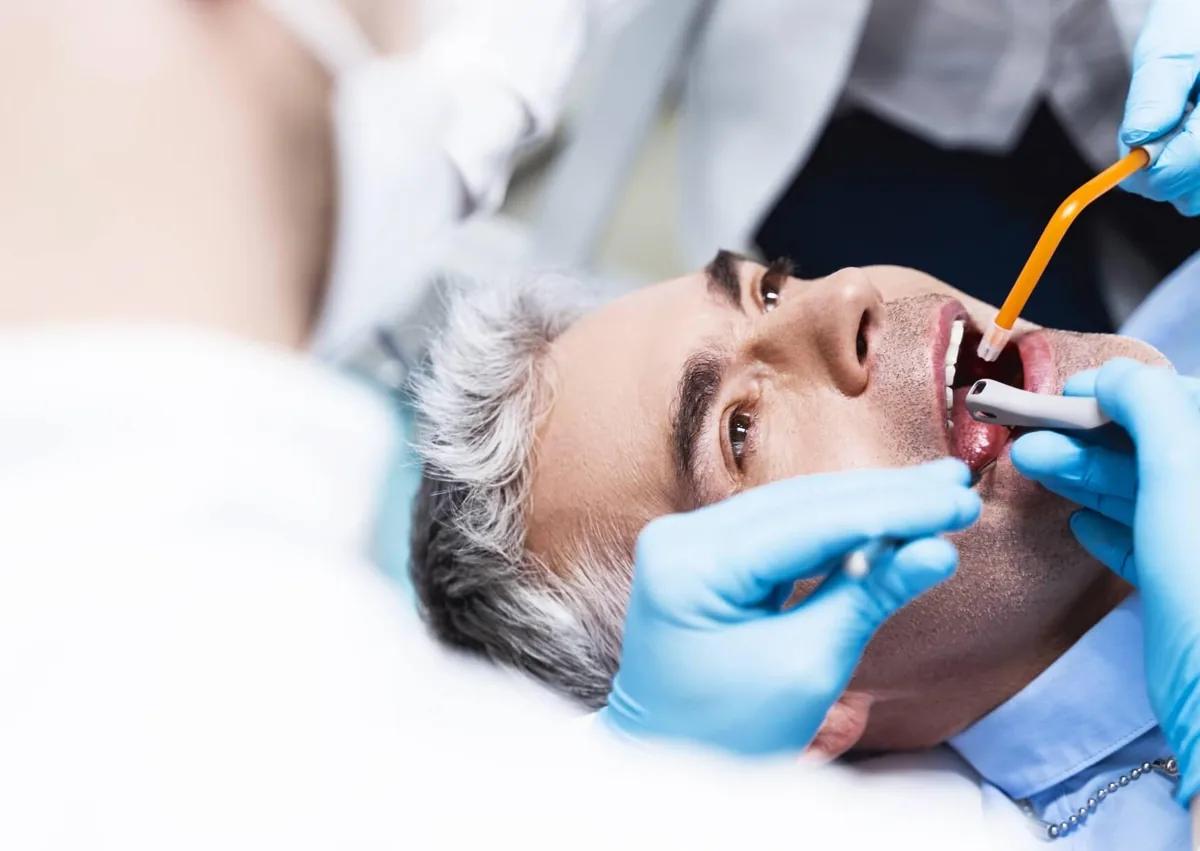
Schedule a dental visit if hard deposits do not brush away, your gums keep bleeding, bad breath continues despite daily care, or your teeth become sensitive, loose, or painful. Receding gums, pus near the gumline, or changes in how your teeth fit together also need evaluation.
If you are returning after a long time away or are unsure what to expect, see our first dental appointment page for guidance.
Seek prompt care for increasing facial or gum swelling, severe dental pain, fever linked to a dental problem, or trouble opening the mouth. Trouble breathing or swallowing with oral or facial swelling is an emergency and needs immediate emergency care.
A dental professional can tell the difference between plaque, tartar, staining, decay, and other causes of roughness or discoloration. If deeper gum disease is suspected, referral to periodontics may be recommended for specialized evaluation and treatment.
If tartar, ongoing bleeding, or persistent symptoms are present, a professional cleaning and exam is the appropriate next step to remove deposits and evaluate gum health. Call AR Smiles in Fairlawn, OH, which provides dental cleanings and exams for Copley and Bath residents, or schedule an appointment at (330) 583-5158.
Yes. Soft plaque can usually be removed with thorough brushing and daily cleaning between the teeth, but tartar needs professional care.
The timing varies based on saliva, oral hygiene, tooth position, and other factors, but mineralization can begin within a few days. That is why daily plaque removal matters even when the teeth look clean.
Inflamed gums may bleed when flossing starts, especially if the area has not been cleaned regularly. Use a gentle technique and arrange a dental evaluation if bleeding is heavy, painful, worsening, or does not improve within about one to two weeks.
Mouthwash may reduce some bacteria and support gum health, depending on the product, but it cannot replace the physical removal of plaque with brushing and interdental cleaning. A dentist can recommend a rinse when one is appropriate.
Some fluoride toothpastes contain safely formulated baking soda and can help clean surface deposits. Household baking soda does not remove hardened tartar, and aggressive scrubbing with abrasive mixtures may damage teeth or gums.