
Menu
- Home
- About Us
- Services
- Dental Savings Plan
- Patient Resources
- Success Stories
- Gallery
- Contact Us
close
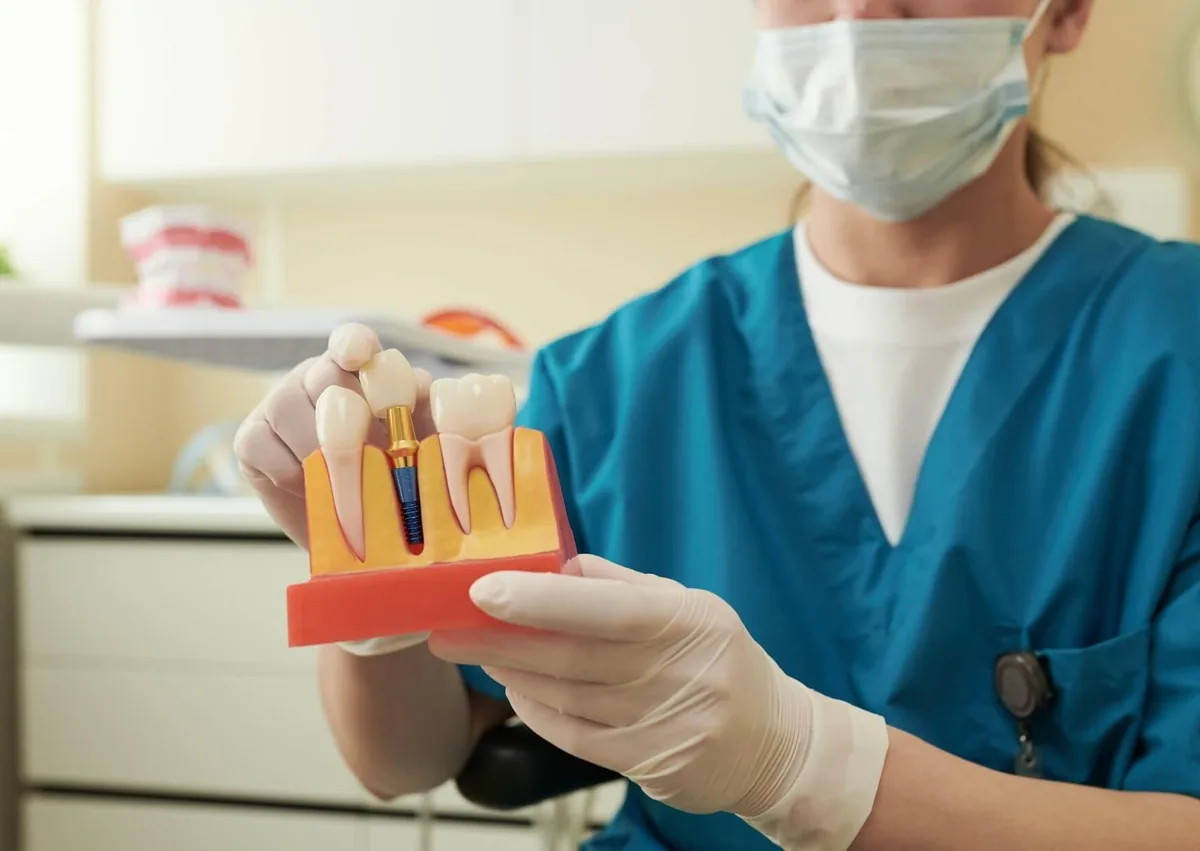
Affordable dental implants in Fairlawn, OH, are often possible when treatment is planned carefully and the full estimate is reviewed line by line. The best value usually comes from comparing total treatment costs, not just a low advertised starting price, especially if services like bone grafting, tooth extractions, imaging, sedation, or the final crown are billed separately.
If you are weighing options for replacing missing teeth, dental implants can offer a long-term solution that preserves jawbone and chewing function. AR Smiles in Fairlawn, OH, evaluates candidacy and provides clear cost estimates and treatment plans to help you compare options and avoid unexpected fees.
A complete implant restoration usually includes three parts: the implant placed in the jaw, the abutment that connects it, and the final crown. Total fees vary based on how many teeth are missing, where they are located, the materials used, and whether preparatory treatment is needed.
Ask for a written estimate that separates implant surgery from the final restoration. It should also list exam fees, 3D imaging, temporary teeth, grafting, anesthesia or sedation, follow-up visits, and possible complication-related care.
Compare complete treatment costs, not promotional prices. One quote may include only the implant fixture, while another includes the abutment and crown.
A separate implant for every missing tooth is not always necessary. Depending on your oral health and the size of the gap, a dentist may recommend a single implant, an implant-supported bridge, or an implant-retained denture.
|
Option |
Common Use |
Cost Consideration |
|---|---|---|
|
Single implant and crown |
One missing tooth |
Replaces one tooth without preparing neighboring teeth |
|
Implant-supported bridge |
Several adjacent missing teeth |
May replace multiple teeth with fewer implants |
|
Implant-retained denture |
Many or all teeth missing |
Often improves denture stability with a limited number of implants; consider implant-supported overdentures for removable options; fixed full-arch approaches such as All-on-4 dental implants may also be appropriate |
|
Conventional bridge |
One or more missing teeth |
May cost less initially but usually requires reshaping supporting teeth |
|
Removable partial or full denture |
Multiple missing teeth |
Usually has a lower initial cost but is removable and may be less stable |
The cheapest option upfront is not always the lowest long-term cost. Maintenance, replacement parts, effects on nearby teeth, and the chance of future treatment all matter.
Implants need enough jawbone and healthy gum tissue for support. If a tooth has been missing for a long time, bone loss may make bone grafting necessary, although some cases can be managed with a different implant approach or another type of restoration.
Healing and long-term success can also be affected by uncontrolled diabetes, active gum disease, tobacco or nicotine use, teeth grinding, and certain medications or medical conditions. These factors do not always rule out implants, but they may need to be addressed before treatment.
A full evaluation usually includes an exam, health history, X-rays, and sometimes CBCT imaging. This 3D scan helps the dentist assess bone volume and the location of nearby nerves and sinuses.
Dental insurance may help pay for the crown, extraction, or other parts of treatment even when implant placement itself has limited coverage. Review annual maximums, waiting periods, missing-tooth clauses, network rules, and preauthorization requirements, and ask which services may be covered by insurance.
Other options may include health savings accounts, flexible spending accounts, phased treatment, in-office payment arrangements, or third-party financing. Financing can lower monthly payments, but you should still review interest rates, fees, deferred-interest terms, and the total amount repaid.
Dental schools or supervised residency clinics may offer lower fees in some areas. However, appointments may take longer, and not every patient will qualify.
Traveling for cheaper treatment can look appealing at first. Be sure to include transportation, repeat visits, follow-up care, and what happens if a complication occurs after you return home.
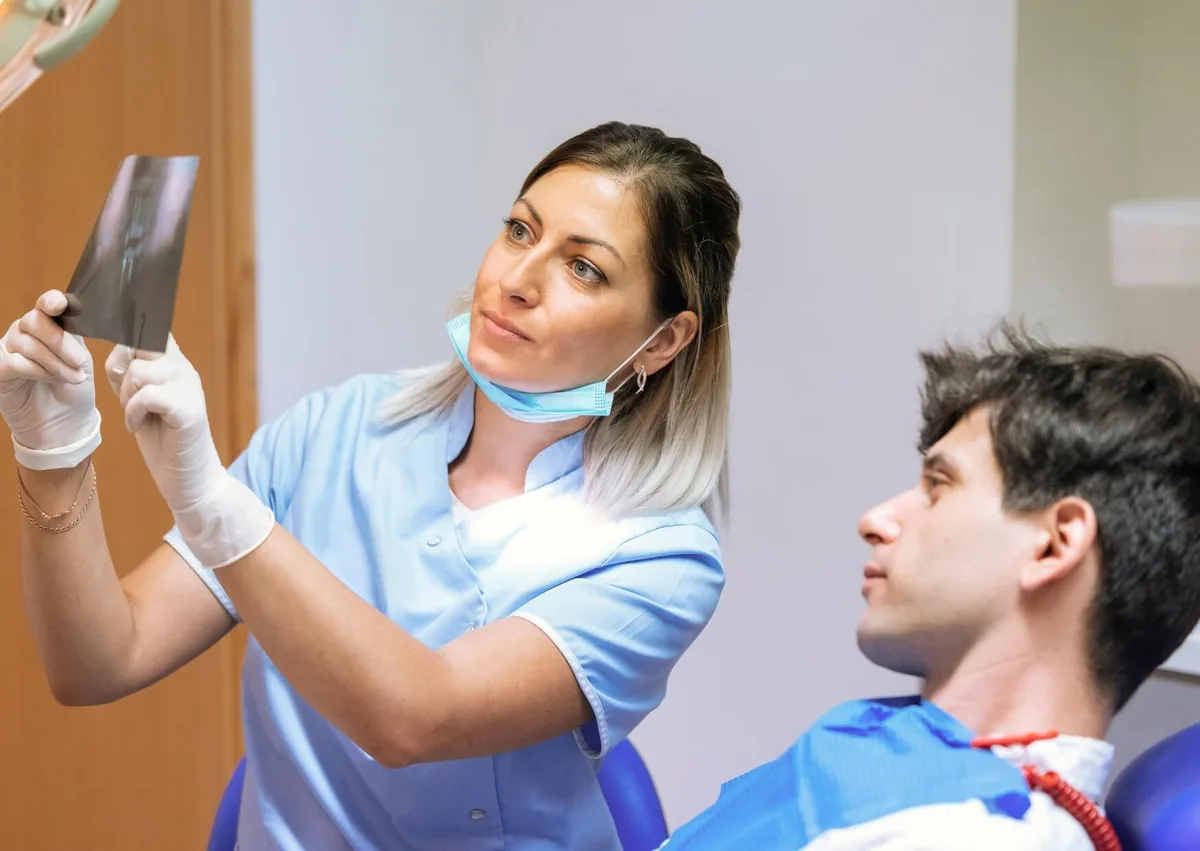
Treatment usually starts by controlling any infection or gum disease. If a damaged tooth must be removed or bone must be added, implant placement may happen the same day or after a healing period, depending on the case.
After placement, the implant often needs several months to bond with the jawbone through osseointegration. A temporary tooth may be possible during this stage, but immediate loading is not right for every patient.
Once the implant is stable, the abutment and final crown, bridge, or denture are made. Timelines vary, especially when grafting, healing delays, or multiple treatment stages are involved.
Implants do not get cavities, but the surrounding gum and bone can still become inflamed or infected. Careful brushing, cleaning around the restoration, and regular professional maintenance help protect the result.
If you clench or grind your teeth, a nightguard may be recommended to reduce excess force. Crowns, bridges, and denture attachments can also wear or loosen over time, so future maintenance should be part of your budget planning.
Schedule an implant evaluation if a tooth is missing, cannot be restored, or causes ongoing pain or trouble chewing. Earlier evaluation may help preserve bone and clarify whether the tooth can still be saved with another treatment.
After implant surgery, contact the treating office promptly for worsening pain or swelling, persistent bleeding, pus, fever, a loose implant or restoration, numbness that persists or worsens, or a bite that suddenly feels off.
Seek urgent medical care for trouble breathing or swallowing, rapidly spreading facial or neck swelling, or uncontrolled bleeding. These symptoms need immediate attention.
To learn whether implants are right for you and get a personalized estimate, arrange a consultation to review options and likely costs. Contact AR Smiles for dental implants in Fairlawn, OH, serving nearby Copley and Bath; call (330) 583-5158 or book online to get started.
Coverage varies by plan. Some policies may pay part of the extraction, crown, bridge, denture, or graft even if they exclude or limit the implant itself, so request a written benefit estimate when possible.
Implants and temporary teeth can sometimes be placed during one visit, but healing still continues for months. Bone quality, bite forces, infection, and overall health determine whether immediate placement or loading is appropriate. Learn more about how long to get implants.
The implant fixture can function for many years with healthy tissues, good home care, and regular professional maintenance, but no restoration has a guaranteed lifespan. Crowns, bridges, screws, or denture attachments may need repair or replacement sooner than the implant itself. See how long dental implants last for details.
Not always. Fees also reflect case complexity, location, included services, and financing structure. Ask about clinician qualifications, implant materials, follow-up care, warranties or limitations, and the total fee rather than judging by price alone.
It should list exam and imaging fees, surgery, the implant fixture, abutment, final restoration, temporary teeth, grafting, sedation, follow-up care, and likely maintenance. It should also explain which costs could change if treatment findings differ from the original plan.