
Menu
- Home
- About Us
- Services
- Dental Savings Plan
- Patient Resources
- Success Stories
- Gallery
- Contact Us
close

After wisdom teeth removal, eat cool or lukewarm foods that are soft, smooth, and easy to swallow. Good early choices include yogurt, applesauce, pudding, smooth soup, mashed potatoes, scrambled eggs, and soft pasta, while hot, crunchy, spicy, sticky, and seedy foods should wait until the extraction sites have started to heal.
Your surgeon’s instructions come first because healing depends on how difficult the extraction was, whether stitches were placed, and your overall health. Move back to regular foods gradually, and do not force chewing if it causes pain, bleeding, or throbbing.
If you're preparing for or recovering from wisdom teeth removal, clear pre-op and recovery guidance can help minimize pain, protect healing tissue, and make mealtimes easier. AR Smiles in Fairlawn, OH provides focused care and practical aftercare instructions to support a safer, more comfortable recovery.
For the first day, choose smooth foods and liquids that are cool or lukewarm. The goal is to avoid disturbing the blood clot while still getting fluids and calories.
Good options include:
Drink water often, but do not use a straw unless your dental professional tells you it is safe. Suction can dislodge the clot in the socket and increase the risk of dry socket, which is a painful complication that happens when the clot is lost too early.
If your mouth is still numb, avoid hot foods and drinks so you do not burn your cheek, tongue, or gums without noticing. Take small bites and chew away from the surgical areas when possible.
As swelling and soreness start to improve, most people can move from liquids and purees to soft foods that need gentle chewing. If your teeth were impacted or the extraction was more complex, this step may take longer.
|
Recovery Stage |
Foods to Consider |
Foods to Avoid |
|---|---|---|
|
First 24 hours |
Yogurt, applesauce, pudding, smooth soup, mashed potatoes |
Hot, spicy, crunchy, sticky, or seedy foods |
|
Days 2 to 3 |
Scrambled eggs, oatmeal, cottage cheese, mashed avocado |
Chips, nuts, popcorn, crusty bread |
|
Days 4 to 7 |
Soft pasta, flaky fish, soft-cooked vegetables, finely shredded tender meat |
Hard or chewy meat, raw vegetables, candy |
|
After about 1 week |
Gradual return to regular foods as comfortable |
Anything that causes pain or becomes trapped |
Soft protein can help support healing. As tolerated, try eggs, Greek yogurt, cottage cheese, tofu, flaky fish, or finely shredded tender meat.
If needed, mash or blend foods to make them easier to eat. Avoid foods with seeds, grains, or rough particles that can collect around the sockets.
If a food causes throbbing, fresh bleeding, or more pain, go back to softer foods and try again later. Let comfort guide your progress, along with your clinician’s instructions.
Crunchy foods like chips, nuts, popcorn, crackers, and raw vegetables can scrape healing tissue or break into pieces that get stuck near the extraction sites. Rice, seeds, and granola can also lodge in the area.
Avoid sticky or chewy foods such as caramel, gummy candy, and tough meat because they require more forceful chewing. Spicy or acidic foods may sting irritated tissue.
It is also best to avoid alcohol while you are healing, especially if you are taking prescription pain medicine or antibiotics. Alcohol can irritate the area and may interfere with recovery.
Do not smoke, vape, or use tobacco during healing. Heat, chemicals, and suction can delay recovery and raise the risk of dry socket and infection.
A blood clot forms in each socket after the tooth is removed. That clot protects the bone and nerves underneath while the gum tissue starts to close.
Anything that creates suction or pressure can disturb that clot. Common causes include using a straw, forceful spitting, vigorous rinsing, and chewing directly over the surgical site.
Eat slowly and avoid opening your mouth wider than feels comfortable. After the first 24 hours, many patients are told to rinse gently with salt water, but follow your surgeon’s instructions and let the liquid fall out instead of spitting hard.
Keep brushing the rest of your teeth carefully, but stay away from the extraction sites until you are told it is safe. Do not probe the socket with your finger, tongue, a toothpick, or an irrigation device unless your clinician specifically instructed you to do so.
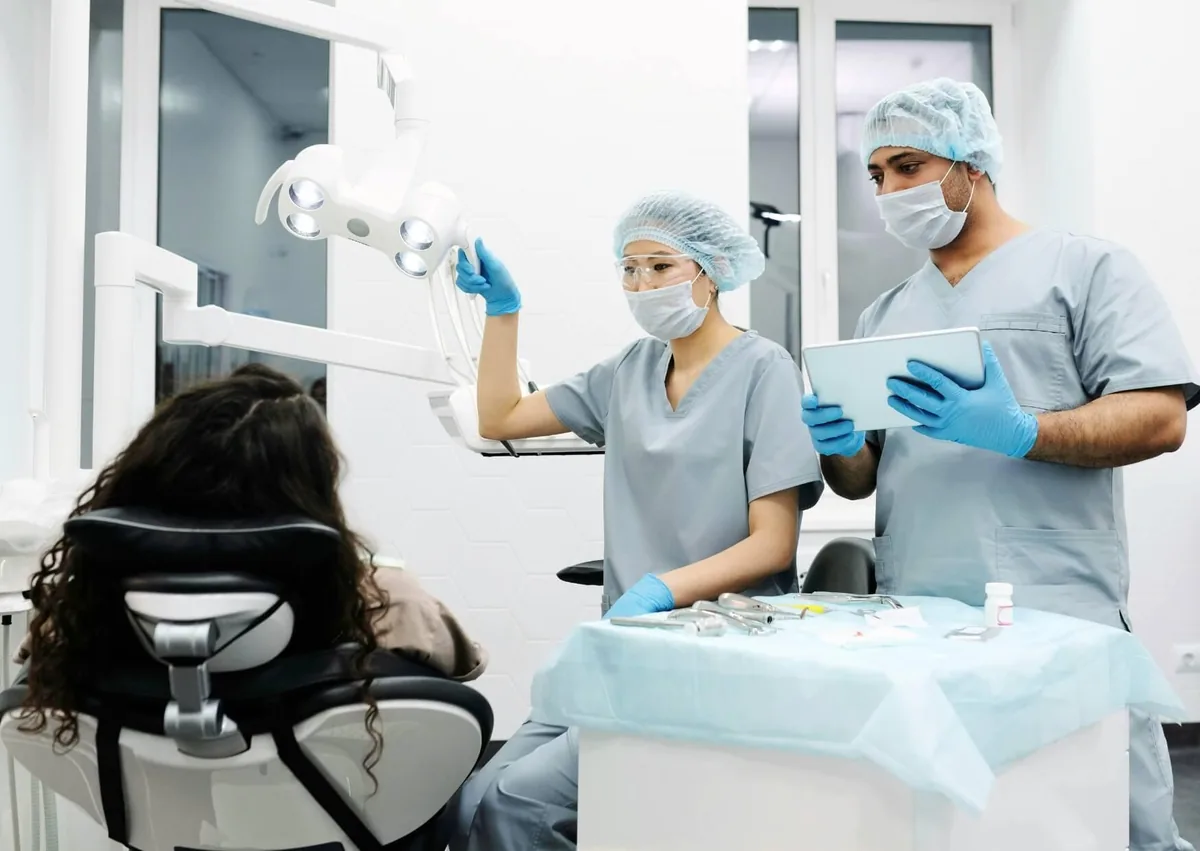
Some swelling, jaw stiffness, tenderness, and mild oozing are normal after extraction. These symptoms often peak in the first few days and then slowly improve.
Call the dental or oral surgery office if pain becomes severe, gets worse after first improving, or starts radiating toward the ear. A bad taste or odor can also be a warning sign that the area needs to be checked.
Seek urgent care right away for trouble breathing or swallowing, uncontrolled bleeding, rapidly increasing swelling, confusion, or signs of a serious allergic reaction. For sudden severe dental problems such as extreme pain, spreading swelling, or signs of infection, contact emergency dentistry or go to the nearest emergency facility.
If symptoms are persistent, worsening, severe, or simply unclear, contact the treating office for guidance. Do not try to remove trapped food or treat a suspected complication on your own.
If you notice worsening pain, signs of infection, or questions about diet and healing, contact us promptly so a clinician can evaluate your recovery and recommend next steps. Call AR Smiles in Fairlawn, OH at (330) 583-5158 to schedule a wisdom teeth removal consultation; we also serve nearby Copley and Bath.
Plain, smooth ice cream may feel soothing in moderation if cold foods do not bother your teeth. Avoid cones, nuts, candy pieces, cookie crumbs, and milkshakes through a straw.
Many people start adding soft solids within a few days and return to more regular foods after about a week. If the extraction was more difficult, it may take longer.
Avoid hot coffee early in recovery because heat can irritate the area and may increase bleeding. Ask your treating clinician when it is safe to resume it, and do not use a straw for iced coffee.
Choose foods that need little or no chewing, such as yogurt, applesauce, smooth soup, mashed vegetables, pudding, or a smoothie eaten with a spoon. As you feel better, add scrambled eggs, oatmeal, soft pasta, and other tender foods.
Do not dig into the socket with a finger or any object. Follow the cleaning instructions from your dental professional, and call the office if food stays trapped or you develop worsening pain, swelling, drainage, fever, or a foul taste.