
Menu
- Home
- About Us
- Services
- Dental Savings Plan
- Patient Resources
- Success Stories
- Gallery
- Contact Us
close
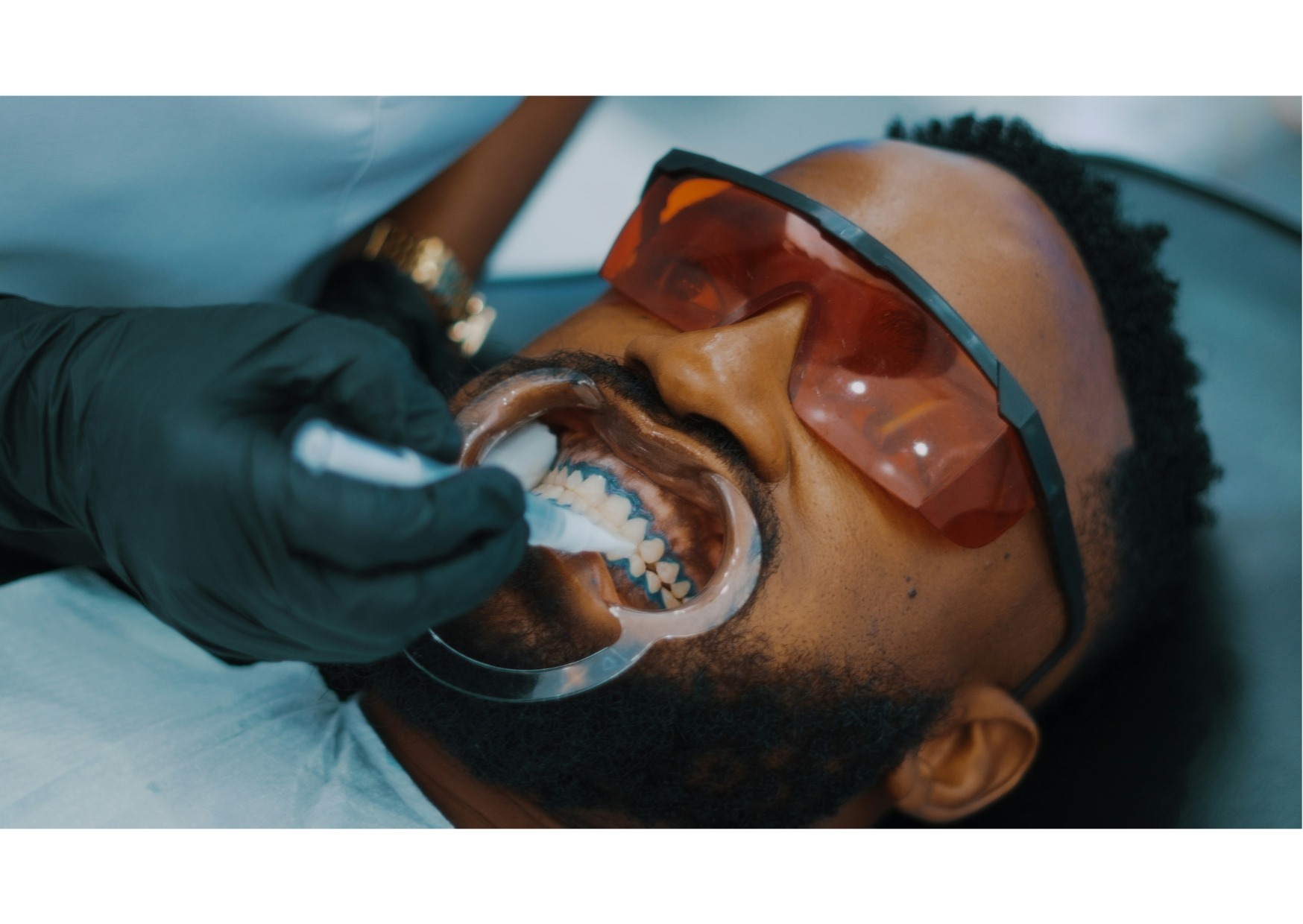
A smile often carries more than enamel and color. It holds family photos, first interviews, and quiet moments where confidence matters, especially when something has long felt slightly off. When comparing bonding vs veneers, many people are looking for a solution that feels natural, preserves healthy tooth structure, and fits their expectations.
Both treatments can improve chips, small gaps, uneven edges, and discoloration that whitening may not fully change, but they work differently. Bonding uses a tooth-colored resin shaped directly on the tooth, while veneers are thin custom shells, often made of porcelain, that cover the front surface.
At AR Smiles in Fairlawn, OH, cosmetic dentistry options like these are carefully evaluated to match each patient’s goals, lifestyle, and desired outcome.
A cosmetic dentistry consultation often begins with a story rather than a checklist. Patients may mention a chipped tooth from years ago, a gap that stands out on video calls, or stains that no longer respond to whitening. These details help guide the right treatment choice.
Bonding vs veneers is not just a technical comparison. The decision depends on how the teeth function, how visible the concern is, and how much change the patient wants. Dentists also evaluate bite forces, enamel condition, and gum health before recommending either option.
The goal is not simply to improve appearance but to choose a treatment that fits daily life. A conservative repair may be enough in some cases, while others may need a more comprehensive solution. A personalized approach ensures the result looks natural and lasts.
Dental bonding uses a composite resin matched to the shade of nearby teeth. The dentist prepares the tooth surface, applies the material, and shapes it to blend with the natural structure. A curing light hardens the resin before it is polished.
Bonding works well for small chips, minor gaps, and subtle reshaping. It can also mask localized discoloration or improve symmetry between teeth. Many patients choose bonding when they want a conservative and efficient cosmetic solution.
The treatment is often completed in one visit and can be adjusted or repaired if needed. However, composite resin is more prone to staining and wear over time. This makes bonding a better fit for smaller, localized concerns rather than full smile changes.
Veneers are thin shells bonded to the front surface of the teeth. Dentists design them carefully to improve shape, color, and overall balance across the smile. Most veneers are made from porcelain, which reflects light similarly to natural enamel.
Veneers are often recommended when several concerns exist at once. Teeth that are worn, uneven, or resistant to whitening can benefit from a more uniform transformation. This approach focuses on creating consistency across multiple teeth.
Unlike bonding, veneers usually require removing a thin layer of enamel. This step is irreversible but allows for a more stable and long-lasting result. Veneers are best suited for patients who want a more complete cosmetic upgrade.
The clearest way to compare these treatments is to look at how they perform in everyday categories that matter to patients.
| Feature | Bonding | Veneers |
| Main material | Composite resin | Usually porcelain |
| Best for | Small chips, minor gaps, limited reshaping, localized color correction | More noticeable color, shape, size, and symmetry changes across one or several front teeth |
| Tooth preparation | Usually minimal | Often requires more planning and some enamel adjustment |
| Number of visits | Often one visit | Usually more than one visit |
| Appearance over time | Can look very good, but may stain or dull sooner | Typically more stain-resistant and stable in appearance |
| Repairability | Often easier to touch up or repair | Repair may be more limited; replacement is sometimes needed |
| Longevity | Often shorter | Often longer with good care |
| Cost pattern | Lower upfront cost in many cases | Higher upfront cost in many cases |
This table is a starting point, not a diagnosis. A very small defect may not justify a veneer, while a heavily restored or highly visible front tooth may not be a good candidate for bonding alone. If you're weighing other restorative options, you may find our crowns vs veneers comparison helpful.
Patients often ask which option looks more natural. In truth, both treatments can look natural when done correctly. Bonding allows dentists to sculpt and adjust the tooth directly, making it ideal for small corrections. It blends well when the surrounding teeth are already in good condition.
Porcelain veneers tend to maintain their color and surface finish longer. They also mimic how natural enamel reflects light, which can improve the overall appearance of the smile. This makes them a strong option for visible front teeth.
However, results depend heavily on planning and technique. Poorly shaped or overly opaque restorations can look unnatural regardless of the material. A well-designed treatment plan is more important than the material alone.
Durability depends on both the material and the patient’s habits. Bonding is more likely to chip, stain, or wear over time. Veneers are generally stronger and more resistant to discoloration.
Teeth grinding, nail biting, and using teeth as tools can damage both options. Patients with stable bites and good oral hygiene tend to see longer-lasting results. Protective appliances or bruxism treatment may be recommended for those who grind their teeth.
Bonding may last several years with maintenance, while veneers often last over a decade. However, no cosmetic treatment is permanent. Regular dental care plays a major role in preserving results.
Bonding is often the best option for small, localized issues. Minor chips, slight gaps, and uneven edges can usually be corrected effectively with this method. It preserves more natural tooth structure and requires less preparation.
It is also a good choice for patients who want to test a cosmetic change. Bonding can serve as a preview for future treatments. This allows patients to explore changes before committing to more permanent solutions.
For conservative improvements, bonding offers flexibility and efficiency. It can be completed quickly and adjusted over time if needed. This makes it a practical first step in cosmetic dentistry.
Veneers are often preferred when multiple teeth need improvement. They work well for correcting discoloration, shape irregularities, and worn enamel. This approach creates a more uniform and balanced smile.
Patients who want long-lasting results often lean toward veneers. The material resists staining and maintains its appearance over time. This makes veneers suitable for highly visible areas.
However, veneers require careful planning and commitment. The process involves permanent changes to the tooth surface. Patients should understand the long-term nature of this treatment before proceeding.
Bonding typically has a lower upfront cost. This makes it appealing for minor cosmetic concerns or patients with a limited budget. However, repairs or replacements over time can add to the total cost.
Veneers require a higher initial investment due to planning, customization, and materials. In return, they offer greater durability and color stability. This can make them more cost-effective over the long term for some patients.
The best approach is to consider both immediate and future costs. Maintenance, longevity, and lifestyle factors all influence overall value. A clear understanding of these factors helps patients make informed decisions.
Cosmetic treatment should wait until pain, infection, and structural issues are ruled out. Symptoms like darkening teeth, temperature sensitivity, pain when biting, or swelling may indicate deeper problems. These may require evaluation of the tooth’s nerve or root before any cosmetic plan.
Seek prompt dental care if you notice:
These are not cosmetic concerns first and need timely treatment.
Persistent but less urgent signs also deserve attention, including:
Addressing these early helps cosmetic results last longer and look better.
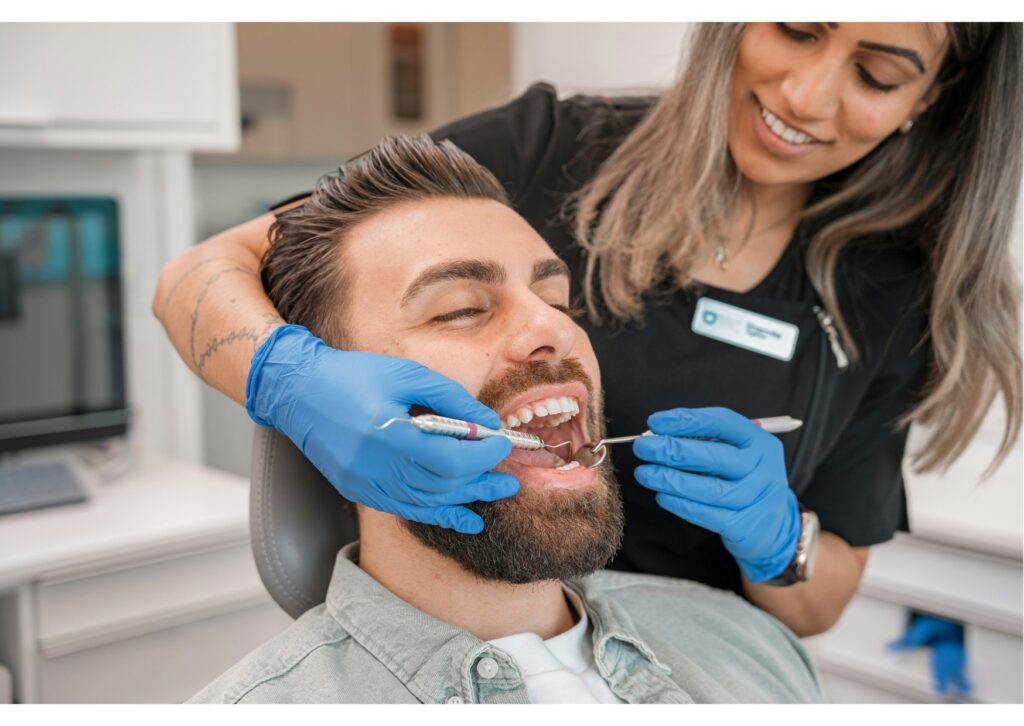
A cosmetic evaluation combines design and risk assessment. Dentists typically review:
The decision depends on whether a conservative approach can achieve the goal. Bonding works well for small, localized issues, while veneers are better for coordinated changes across multiple teeth. The choice should balance function, appearance, and longevity.
Patients should understand why a recommendation is made. They should know what will change, what remains natural, and what maintenance is required. Clear expectations lead to better outcomes.
Choosing between bonding vs veneers is not about finding a universally better option. It is about selecting the treatment that fits the tooth, the lifestyle, and the long-term goal. Each option has its place in cosmetic dentistry.
Smaller concerns often respond well to bonding. Larger or more complex changes may benefit from veneers. The right decision balances appearance, durability, and preservation of natural tooth structure.
At AR Smiles in Fairlawn, OH, cosmetic dentistry decisions are guided by careful evaluation and patient-centered planning. The goal is to achieve results that look natural, feel comfortable, and last over time.
Schedule a cosmetic consultation today by calling (330) 835-1000 or visiting our cosmetic dentistry page. We welcome patients from Bath and Akron and can often arrange same-day visits.
Often, yes for a small chip. Bonding is usually more conservative and may provide an excellent result when the damage is limited and the bite is stable.
Veneers do not automatically ruin teeth, but they usually involve some irreversible tooth preparation. That is one reason case selection and treatment planning matter. For more on permanence and what that means for your teeth, read about permanent veneers.
In many cases, yes. Composite resin can pick up stains and lose polish sooner than porcelain, especially with coffee, tea, tobacco, or heavy wear.
Veneers often last longer, but durability depends heavily on oral hygiene, bite forces, grinding habits, and the quality of the underlying tooth.
Sometimes they can improve the appearance of mild unevenness, but they do not move teeth. If alignment or bite problems are significant, orthodontic treatment may be more appropriate.
Pain, swelling, fever, gum bleeding, a loose tooth, or sensitivity that is worsening should be evaluated before cosmetic treatment is planned.