
Menu
- Home
- About Us
- Services
- Dental Savings Plan
- Patient Resources
- Success Stories
- Gallery
- Contact Us
close
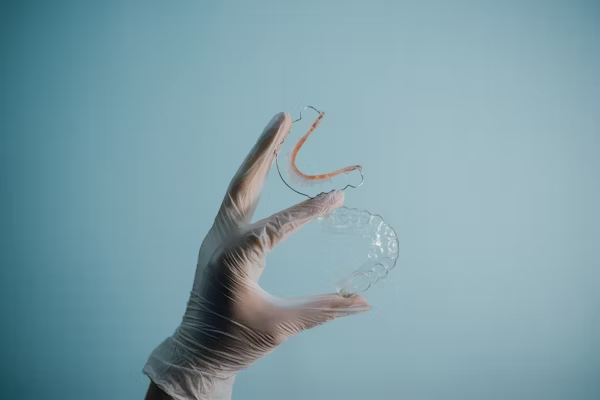
Teeth grinding often slips under the radar… until the pain kicks in, the enamel wears down, or a dentist points out the damage. If you’re wondering how to fix grinded teeth and finally find relief, you’re in the right place.
This comprehensive guide walks you through causes, treatments, and prevention strategies—while highlighting how a trusted practice like Arsmiles Family and Cosmetic Dentistry offers holistic, patient-centered care to restore and protect your smile.
Learning How To Fix Grinded Teeth isn’t just about preventing future damage—it’s also about restoring the integrity, comfort, and aesthetics of your smile. Whether your grinding is stress-related, structural, or linked to sleep patterns, there are practical steps and innovative dental treatments that can help.
From night guards to bonding, veneers, crowns, and even Botox, modern dentistry provides multiple ways to address the root cause and repair worn-down teeth.
In the following sections, we’ll explore every treatment option in detail to help you make informed decisions.
Bruxism refers to involuntary grinding, clenching, or gnashing of the teeth. Over time, this constant pressure can flatten enamel, weaken tooth structure, and strain jaw muscles.
Because grinding often happens during sleep—or during moments of deep focus—most patients only recognize the damage after a dental exam.
Emotional stress is one of the biggest triggers of teeth grinding. When the body is tense, the jaw often follows suit, clenching unconsciously during the day or at night.
Over time, this repetitive tension becomes a habit that can silently wear down enamel.
When your teeth don’t align properly, your jaw tries to find a comfortable resting position—often resulting in grinding.
Even slight misalignment can create extra pressure on certain teeth, leading to uneven wear and jaw fatigue.
Sleep disturbances like sleep apnea cause interruptions in breathing. The body reacts by tightening muscles, including the jaw, as a protective response. These repeated contractions throughout the night contribute heavily to bruxism.
Grinding gradually shortens the teeth, creating smooth, flat surfaces that look unnatural. This can affect chewing, appearance, and long-term structural strength.
Constant clenching strains the jaw muscles, making them feel stiff or sore—especially in the morning. Many people also notice discomfort when talking or eating.
The tension created by grinding radiates into nearby muscles. This often results in dull morning headaches or ear-related pressure despite having no ear infection.
Grinding places tremendous force on enamel. Over time, this stress leads to fractures, chipped edges, or broken restorations that require repair.
Bruxism can irritate the temporomandibular joint, causing clicking, popping, stiffness, or pain. Left untreated, TMJ issues may worsen and interfere with daily activities.
Pressure from grinding affects more than the tooth surface. It can shift the gums downward and expose sensitive areas, making eating or drinking uncomfortable.
A dentist checks for wear patterns, enamel thinning, cracks, and other early signs of grinding that patients often miss.
These tests reveal how your teeth meet and which areas endure repeated pressure. This helps pinpoint the exact cause and severity of bruxism.
Your dentist may ask about your nighttime habits, stress levels, or medications. These details help create an accurate, personalized treatment plan.
Reducing overall stress can significantly decrease grinding episodes. Mindfulness, stretching, and breathing techniques help calm the body and jaw.
A calming bedtime routine—like reading, warm showers, or listening to soft music—signals your jaw to relax and eases nighttime clenching.
These stimulants can heighten muscle activity and disrupt sleep, making nighttime grinding much more likely.
Bonding restores small chips and light wear by adding durable material to reshape teeth. It’s quick, painless, and ideal for minor damage.
Veneers offer both aesthetic improvement and functional reinforcement. They restore shape, color, and balance for moderately worn teeth.
For heavily damaged teeth, crowns provide full coverage and long-term protection. They strengthen the structure and restore proper bite alignment.
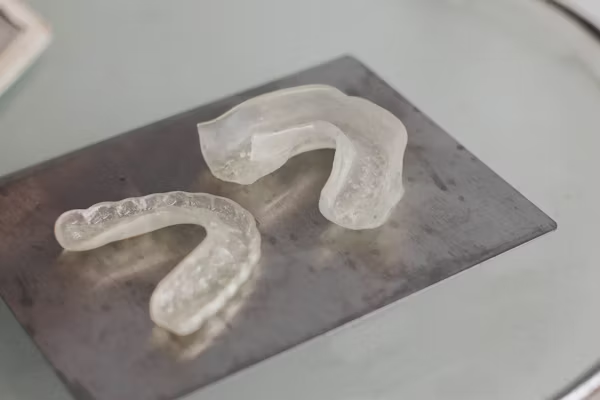
Night guards absorb grinding pressure and prevent enamel-on-enamel contact. This helps reduce pain and protects restorations.
Custom guards fit snugly and last longer, while store-bought guards tend to be bulkier and less protective.
Severe grinders need hard-shell guards for maximum durability and stabilization.
Straightening the teeth helps the jaw rest naturally, reducing the urge to grind.
Correct jaw alignment reduces strain and allows muscles to relax more efficiently.
Orthodontics is suggested when grinding stems from structural issues rather than lifestyle habits.
Gentle exercises help stretch tight muscles and improve jaw mobility.
Targeted anti-inflammatory medications ease soreness and decrease irritation.
Minor reshaping helps teeth fit together better, easing pressure during chewing and resting.
Bonding works well for small chips, uneven edges, and early signs of wear.
The resin matches your natural tooth color and reinforces weakened areas.
With gentle habits and nightly protection, bonding can last for years.
Veneers are ideal when grinding has altered the shape or appearance of teeth but not their internal strength.
They enhance aesthetics, protect enamel, and evenly distribute bite forces.
With good hygiene and a night guard, veneers often last a decade or more.
Crowns cover the entire tooth, restoring strength and stability.
Durable options like zirconia withstand strong grinding forces.
Most patients adapt quickly and enjoy long-lasting comfort.
Botox relaxes overactive grinding muscles, reducing force and pain.
People with chronic tension, severe grinding, or persistent headaches often benefit.
Effects last several months and require regular maintenance.
Consistent sleep habits help control nighttime grinding.
Simple awareness techniques help break the daytime clenching cycle.
These habits overstress the jaw and worsen grinding.
Nightly use prevents future damage and protects restorations.
Routine checkups help track wear patterns and adjust treatments.
Arsmiles Family and Cosmetic Dentistry dentists fine-tune restorations to ensure comfort and proper bite over time.
Kids often grind due to teething, stress, or uneven bite development.
If grinding causes pain, sleep issues, or lasts beyond early childhood, an evaluation is needed.
Observation, night guards, or orthodontic referrals are common solutions.
Some antidepressants, stimulants, and anxiety medications may trigger jaw tension and grinding.
A doctor can adjust your dosage or switch you to a medication with fewer side effects.
Night guards, stress reduction, and hydration often help ease medication-related grinding.
At Arsmiles Family and Cosmetic Dentistry, located at 2640 W. Market St. Suite 302, Fairlawn, OH 44333, our patients receive comprehensive, gentle, and personalized dental care. Our office is open Monday through Thursday from 9:00 AM – 5:00 PM and Friday from 9:00 AM – 2:00 PM.
Arsmiles blends advanced technology with artistic precision to restore and protect your smile, offering a one-stop dental solution for you whether you need preventative care, cosmetic enhancements, implant dentistry, or orthodontics.
Our cutting-edge technology, holistic approach, and highly skilled team make us an ideal choice for anyone struggling with teeth grinding or complex dental concerns, so if you're searching for expert help on how to fix grinded teeth, Arsmiles is the place to start.
Schedule a consultation today to begin our journey toward a healthier, pain-free smile!
Teeth grinding may be common, but it doesn’t have to dictate your comfort, appearance, or long-term dental health. Understanding the root cause and pursuing the right treatments—whether night guards, bonding, veneers, crowns, or lifestyle changes—can protect your smile for life.
And with trusted, patient-centered care from Arsmiles Family and Cosmetic Dentistry, you're never alone on the path to relief and restoration. Contact us today.
Yes. Untreated grinding can lead to fractures, sensitivity, gum recession, and even tooth loss.
Night guards don’t stop the habit, but they protect your teeth and reduce symptoms significantly.
Treatment can take one visit (for bonding) to several weeks (for veneers or crowns).
Absolutely. Veneers restore shape and protect enamel, but severe grinders may need crowns instead.